Log-in


If you haven't registered with us before you can

Forgotten password

Register

Terms & Conditions

1 Your Account

1.1 Access to the Website and Services is not authorised by any other person or entity using your User ID other than you and you are responsible for preventing such unauthorised use. Individuals and entities whose privilege to access the Website or use the Services has previously been terminated by Yorkshire.com may not register for an account, nor may you designate any such individuals to use your account on your behalf.

1.2 Yorkshire.com relies on User IDs to determine whether users accessing the Website and using our Services are authorised to do so. If someone accesses our Website or Services using a User ID that we have issued to you, we will assume that access has been made by you. You are solely responsible for any and all access to the Website or use of the Services by persons using your User ID. Please notify us immediately if you become aware that your User ID is being used without authorisation.

2 Security and Privacy

2.1 Our secure server software encrypts all your payment card details. The process scrambles all the information, allowing no unauthorised third party to intercept the data. Your browser will confirm that you are shopping in a secure environment by showing either a locked padlock icon or an image of a padlock next to the payment details in the relevant area of the Website.

2.2 Information such as credit card information provided in connection with the purchase of a Deal is maintained with appropriate privacy and security protections. No sensitive information (including credit card details) is held on the Website.

2.3 You agree that information provided to us in connection with the purchase of a Deal, other than your credit card information, may be disclosed by us to the Merchant for their commercial purposes including for the purposes of providing the Deal to you.

2.4 Our Privacy Policy explains how we collect, use and disclose information that relates to your privacy. The Privacy Policy forms part of our agreement with you and is incorporated in these Terms and Conditions by reference. For full details, please refer to our Privacy Policy at http://www.yorkshire.com/privacy-policy.

2.5 Any communications between you and Welcome to Yorkshire, such as email or other correspondence, in which you offer suggestions or comments for improving or modifying our Services will be deemed by us to be non-confidential and non-proprietary and you agree that such information may be used by us without any limitation whatsoever.

For Full terms and conditions please click here


Yorkshire Nature Triangle

110711 Nature Triangle LogoWell known among local naturalists for its rich fauna and flora, but a hidden secret for a wider audience who want to see British wildlife - the fascinating animals and plants of lowland UK and the rich seas that surround it.

There are some great places to see wildlife in the Yorkshire Nature Triangle at all times of year. Remember that although you can't beat the variety and colour of our wildlife in spring and summer, autumn and winter are often the best times to see our most spectacular and elusive mammals and visiting birds.

Many species are struggling to cope with the pressures imposed by man's activities, not least climate change. But many, like the otter, peregrine and gannet, are also recovering, thanks to increasing concern for the environment, and stricter legislation on conservation, pesticides and pollution. Stay overnight so you can get out early or stay out late to see wildlife on the coast, along the rivers, and in The Wolds.

Yorkshire Wildlife Trust has been leading the Nature Tourism project since 2010. With their partners, RSPB, Yorkshire Water, East Riding of Yorkshire, North Yorkshire and Ryedale Councils and LEADER, they know that interest in nature can contribute economic benefits, improving the prospects for both wildlife and the local economy. If more people understand the pressures - and the recent successes - of wildlife conservation, the UK's biodiversity can be made more secure for our children and grandchildren.

There are more than 30 reserves to explore in the Triangle, here's just a few of them to try.


Yorkshire Wildlife Trust Reserves

FlamboroughFlamborough Cliffs

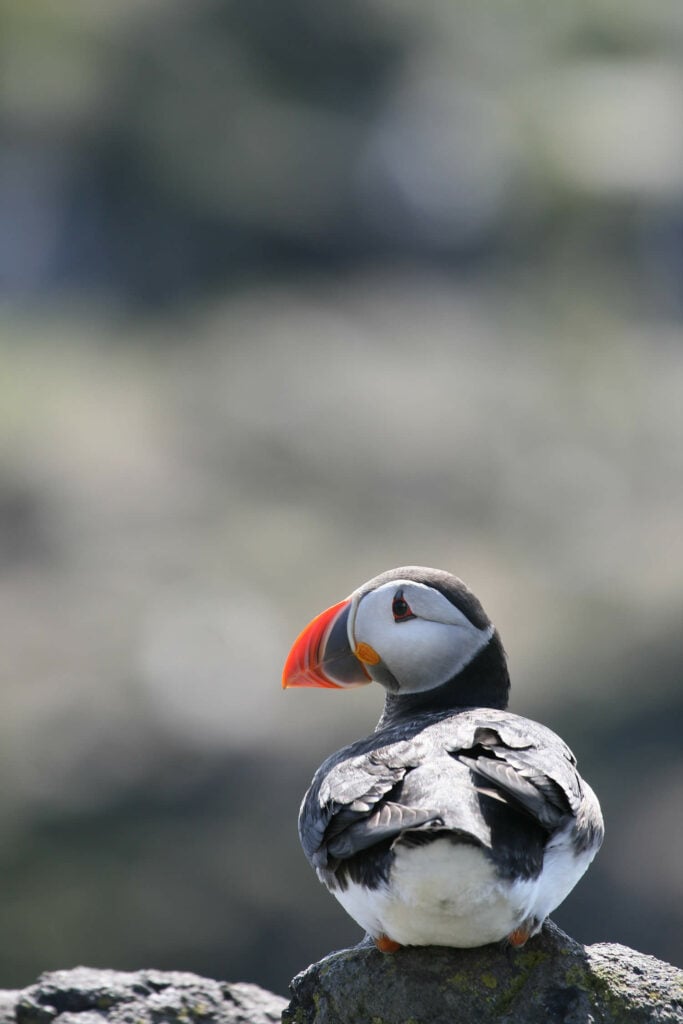
The best place to see puffins on the UK's mainland coast. Huge colonies of guillemots, razorbills and kittiwakes are easily seen from clifftop vantage points, and superb rock pools and sea caves are revealed at low tide at North Landing and Thornwick Bay. Regular summer boat trips (pre-booking with YWT essential), take visitors to view seabirds close-up and learn about the chalk cliffs, sea caves and underwater reefs. The cliff tops above the beaches host a huge variety of chalkland plants and butterflies.

  • Spring and early summer: Thousands of seabirds nest on the chalk cliffs, including puffin, kittiwake, guillemot and razorbill. Gannets can always be seen, sometimes plunge diving spectacularly for fish from 50 feet up. Look out for fulmar and shag, too
  • Summer: Cliff top grasslands come alive with salt loving species, such as thrift and sea plantain, growing alongside limestone grassland species such as the bright pink pyramid orchid and blue harebell.
  • Autumn: Rare passage migrants like little auk, red backed shrike or brown flycatcher might be seen throughout the reserve. Offshore, shearwater and skuas pass by.
  • Winter: Fieldfare and redwing use the scrub in Holmes Gut for food and shelter. Barn owl, stoat and weasel can often be seen hunting in daylight. Gannet and fulmar return from January, so there's always plenty to see.

North Landing, North Marine Road, Flamborough, BRIDLINGTON YO15 1BJ
OS Landranger 101 Grid reference TA 239719

The Living Seas Centre (opens early summer 2012)

Opening in Spring 2012, The Living Seas Centre is Yorkshire Wildlife Trust's first dedicated marine education centre. Here you will find a wealth of information about our fascinating local marine life and learn more about The Wildlife Trust's vision for Living Seas. Discover the weird and wonderful creatures to be found hidden below the waves, learn how the upwelling of the Flamborough Front supports such a huge variety of life, watch locally shot video of undersea kelp forests and chalk reefs, embark on a Storyboard trail and find out how we can all do our bit for marine wildlife. Exciting events are run from the centre year-round. 

South Sea Road, South Landing, Flamborough, Bridlington, YO15 1AE
OS Landranger 101 Grid reference: TA 231695

Filey Dams

This wetland reserve features two birdwatching hides, and is home to a number of mammal, insect and amphibian species, including an internationally important population of great crested newts. The general nature of the land and regular winter flooding ensure a comprehensive wetland flora. The dominant species is soft rush, with water plantain, water-crowfoot, celery-leaved buttercup, nodding bur-marigold and adder's-tongue fern all present. Twenty species of butterfly have been recorded including clouded yellow, marbled white and comma. Several species of dragonfly breed and others visit.

Wharfedale, Off Muston Road, Filey, YO14 0HU
OS Landranger 101 Grid reference TA107807

Wheldrake Ings

One of Britain's last alluvial flood meadows, and internationally important for its rich hay meadow flowers and wintering birds. Wheldrake Ings, with its adjoining Natural England site at Bank Island, is part of the Lower Derwent Valley national nature reserve and Special Area of Conservation (SAC). It is for its birds that the area is also designated a Special Protection Area (SPA) along with the rest of the valley. A RAMSAR site, designated as a wetland of International importance, and a Site of Special Scientific Interest (SSSI).

Parking space is limited and the ground is often soft. There are four viewing hides - visitors are asked to keep to the marked footpaths.

Ings Lane, off Church Lane, Wheldrake YO19 6xx
OS landranger105 Grid reference SE 694444

North Cave Wetlands Nature Reserve

This rapidly growing wetland reserve is a great example of how industrial landscapes can be restored for the benefit of nature. North Cave Wetlands is a haven for birds and birdwatchers alike, with a patchwork of deep lakes, wet grassland, gravel islands, reedbed and hedgerows all contributing to the reserve's success. This former gravel quarry already supports over 200 species of breeding, wintering and passage migrants birds, 200 plant species and 24 species of butterfly.

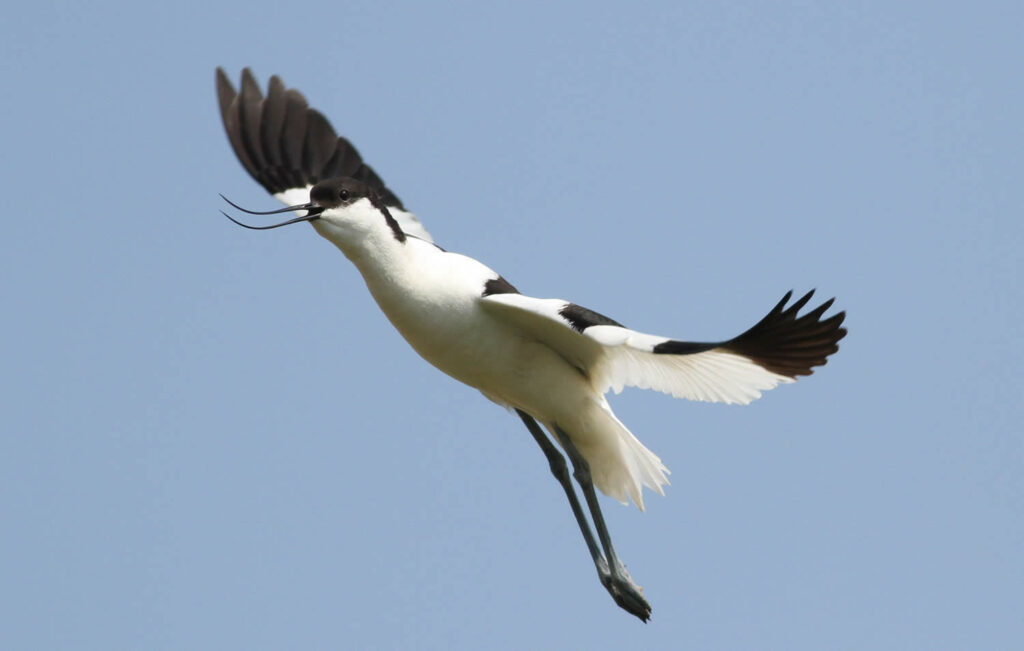
  • Spring: a hive of activity, with breeding avocet, common tern, little ringed plover, lapwing and redshank. Reed warbler and reed bunting breed in the reedbed, while sand martin and kingfisher nest in the sand cliffs of the quarry, and grassland areas support breeding skylark and lapwing.
  • Summer: watch for butterflies and dragonflies such as the four spot chaser and southern hawker, and their nemesis, the hobby.
  • Autumn: Good for little stint and other passage migrants. 
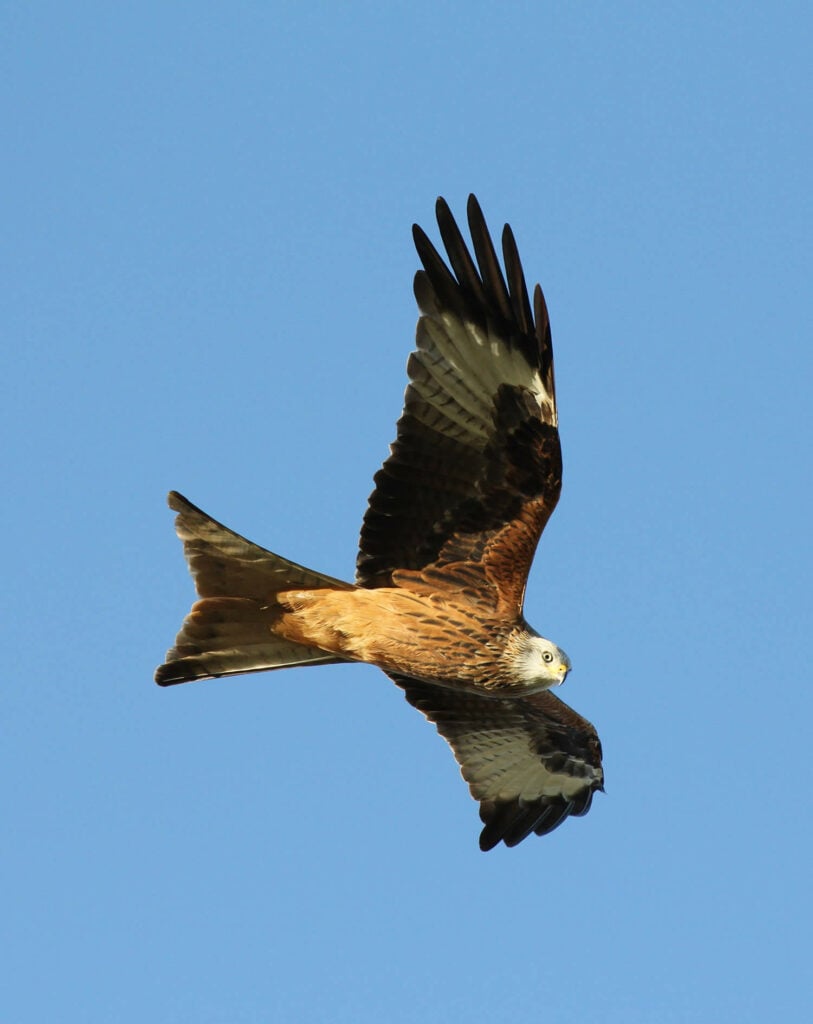
  • Winter: Ducks such as goldeneye, pochard, shoveler, gadwall and teal. Barn owl, red kite and peregrine are regularly spotted. Hedges and unharvested crops support finches and buntings.

Four bird hides, including the innovative new straw bale hide, offer excellent views across the reserve, and a mile long circular trail takes in all the sites that North Cave Wetlands has to offer. Hot food and drinks available at the mobile Wild Bird Cafe at the entrance.

Dryham Lane, North Cave HU15 2LY
OS Landranger 106 Grid reference: SE 886328

Saltmarshe Delph

Saltmarshe Delph Nature Reserve is an area of open water and reedbeds with large and varied micro fauna. The nutrient rich pools encourage excessive plant growth, resulting in a fascinating micro-fauna. Teal and pochard are regular visitors. Great crested and little grebes have also bred. Other sightings have included bearded tit, bittern, marsh harrier, osprey, great reed warbler, garganey - the only summer visiting duck, water rail, green sandpiper and cormorant. Mammals found on the reserve include water vole and harvest mouse.

Saltmarshe, Hook, Goole, DN14 7RX
OS Landranger 106, Grid reference: SE 773248

Spurn

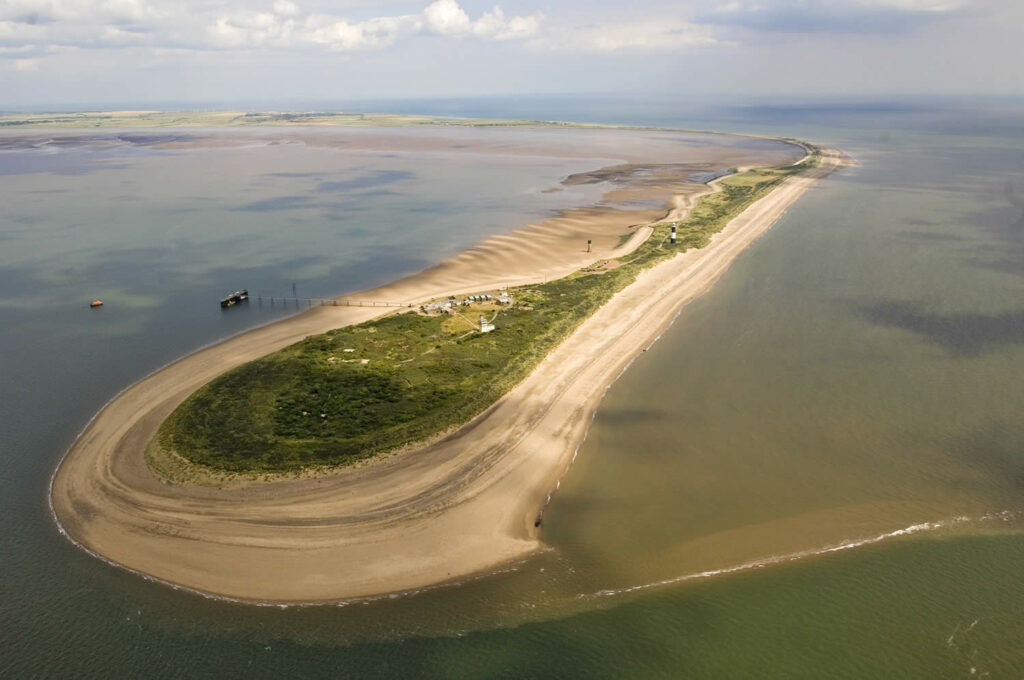
This unique coastal national nature reserve features a long sandy spit stretching three and half miles into the Humber Estuary from the Holderness coast. Habitats include calcareous grassland, embryonic, mobile and fixed sand dunes. There are sandy beaches on the seaward side and mud flats on the estuary. A Mecca for birdwatchers, many rarities can be seen here in autumn and spring, along with thousands of commoner migrants and winter visitors. Spurn National Nature Reserve forms part of the Humber Estuary Special Area of Conservation, SPA and Ramsar site - international recognition of the area's importance.

  • Spring: Spring can start late here, with the first signs being the movement of chaffinch and skylarks, soon followed by more familiar migrants: sand martin, swallow, wheatear, and black redstart. Early morning or evening may provide sightings of roe deer and barn owl.
  • Summer: Whitethroat is a common breeder and their scratchy song can be heard from the tops of most bushes. The beaches host ringed plover and little tern, but summer peaks quickly here with the return of the waders in their full summer plumages, just prior to their moult.
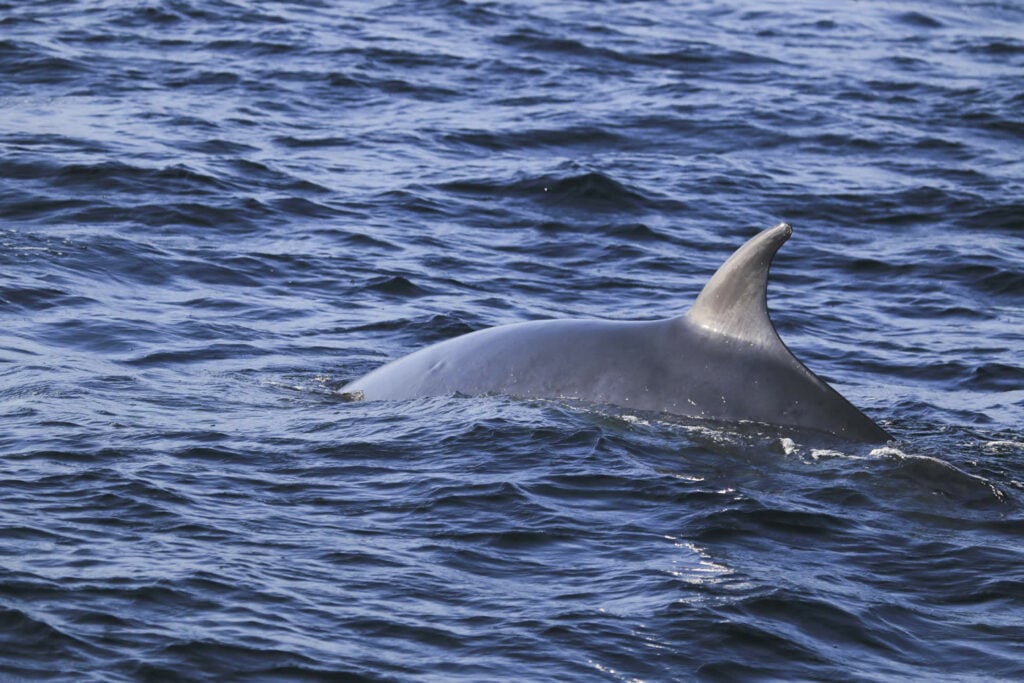
  • Autumn: The autumnal bird migration is not to be missed. The arrival of migrant willow warblers, chiffchaffs, whitethroats, lesser whitethroats, reed warblers, goldcrests, stonechats, wheatears and redstarts are joined offshore by Manx and sooty shearwaters, Arctic and great skuas; recently a humpback whale was spotted only a few hundred metres from the beach.
  • Winter: Bracing walks, unique estuary views and seascapes. Flocks of silver knot wheel like schools of fish against leaden skies, chased by peregrine falcon and merlin. Hen harrier may drift by as they venture out from their winter feeding areas on the salt marshes of the Humber.

Spurn truly is a site for all seasons, and no two days are the same. Visitors (sorry, no dogs) may wander freely over much of the reserve, with the help of interpretation boards on the paths, and more detailed information displays at the Blue Bell café and at the Warren.

The Blue Bell, Kilnsea, Easington, Hull
OS Landranger 113 Grid reference TA 416159

Yorkshire Water Tophill Low Nature Reserve

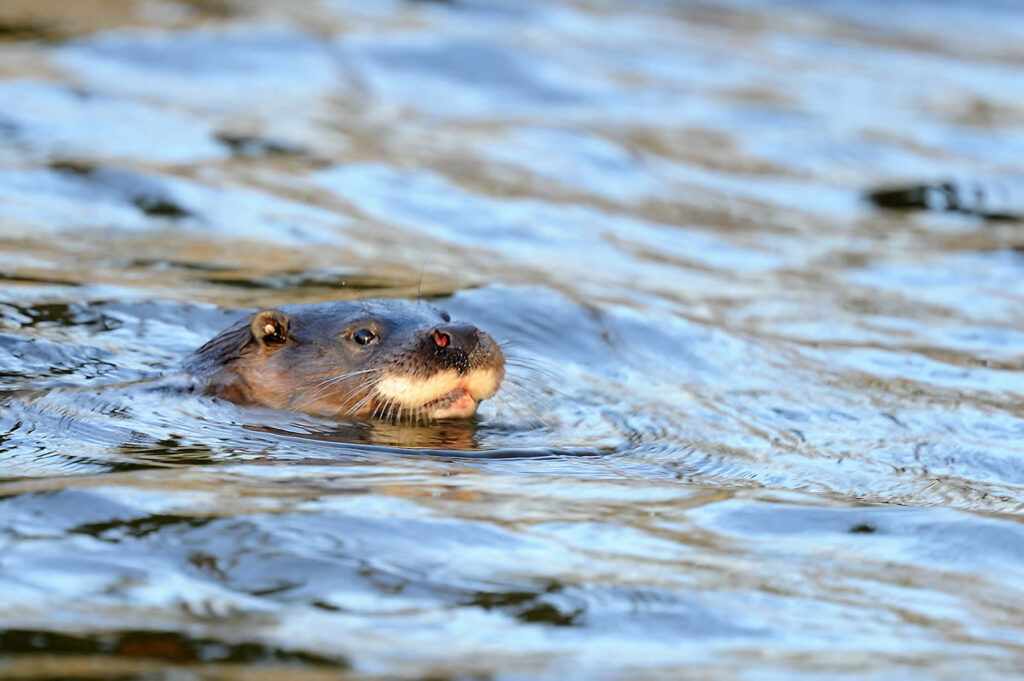
Tophill kingfisher credit Tony McLeanTophill Low Nature Reserve is an active Yorkshire Water treatment works built in 1959. The reserve features 12 hides spread across a 300 acre site flanking the River Hull. Two reservoirs dominate the reserve and have SSSI status for their huge wildfowl numbers. Around the perimeter a network of marshes, ponds, woodland and grassland result in an annual bird count of over 160, with over 60 species readily visible even in mid-winter. Kingfisher, barn owl, smew, water vole, otter, grass snake and dragonflies are all signature species for the reserve.

  • Spring Little-ringed plover arrive in late March, followed by thousands of martins, swallows and swifts feeding up on migration. Other regular migrants include osprey, greenshank, grebes, little gull and terns. A wide range of warblers, marsh harrier and hobby also arrive, with grass snakes often found sunning themselves on warm mornings. Great crested newt, common toad and the introduced marsh frog are very active on all ponds.
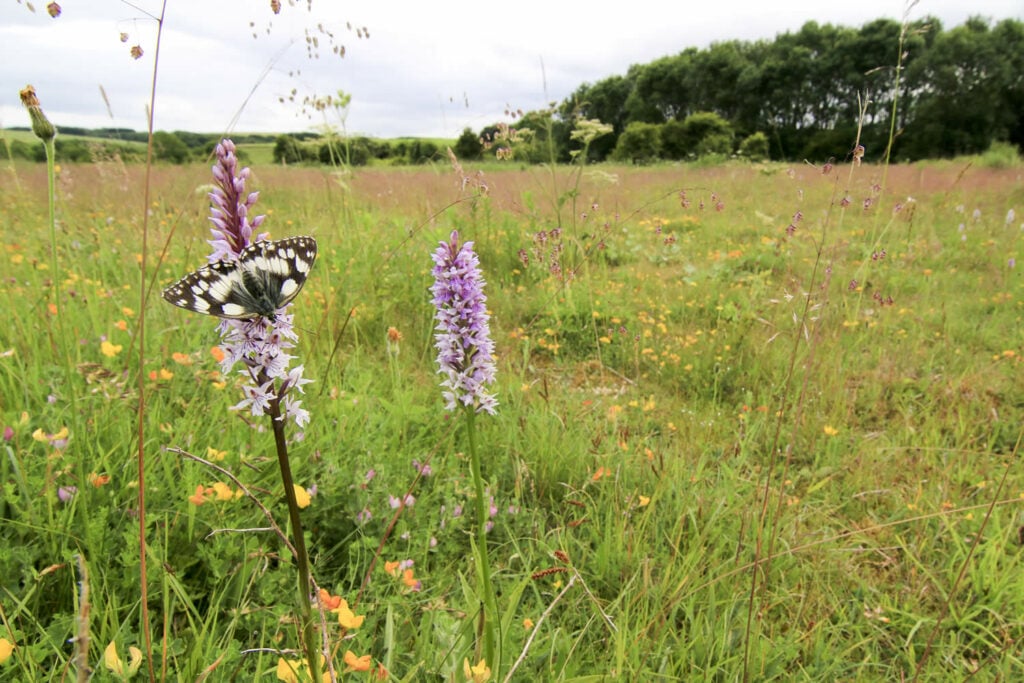
  • Summer Common tern breed on the marshes, along with black headed gull, shoveler, pintail and little ringed plover. Two pairs of barn owl often breed along with many tawny owls. Water voles are active on pools, with otters occasionally glimpsed. Bee, common spotted and marsh orchids are in full flower in early June, followed by carpets of fleabane in August. These attract marbled white and brown argus butterflies. Returning wading birds in late summer include black-tailed godwit, green sandpiper and occasionally rarer vagrant species. 
  • Autumn The wading bird passage continues, and late summer and early autumn are the best time to spot young kingfishers at the North Marsh. Osprey again stop on migration and the winter gull roost starts to build up late afternoon daily on both reservoirs with up to 40,000 black-headed and common gull, and up to 300 great black backed gulls. Occasionally Mediterranean gulls are mixed with them. On the woodland floor up to 280 fungi species can be found.
  • Winter Cold northerly winds bring occasional Arctic gull species to mix with the roost, including glaucous and Icelandic, with wintering peregrine falcon predating black-headed gulls. Tophill is one of the UK's best places to spot wintering smew, along with thousands more wigeon, teal, tufted duck and gadwall. The bird feeders regularly bring in brambling whilst bittern and water rail spend winters stalking the reed beds.

Tophill Low Nature Reserve,Tophill Low, Driffield YO25 9RH
OS Landranger 107 Grid reference TA 073484

Photo: (c) Tony McLean's prizewinning kingfisher shot at Tophill Low from Autumnwatch 2010

RSPB Reserves

Puffin Bempton Credit RSPBBempton Cliffs

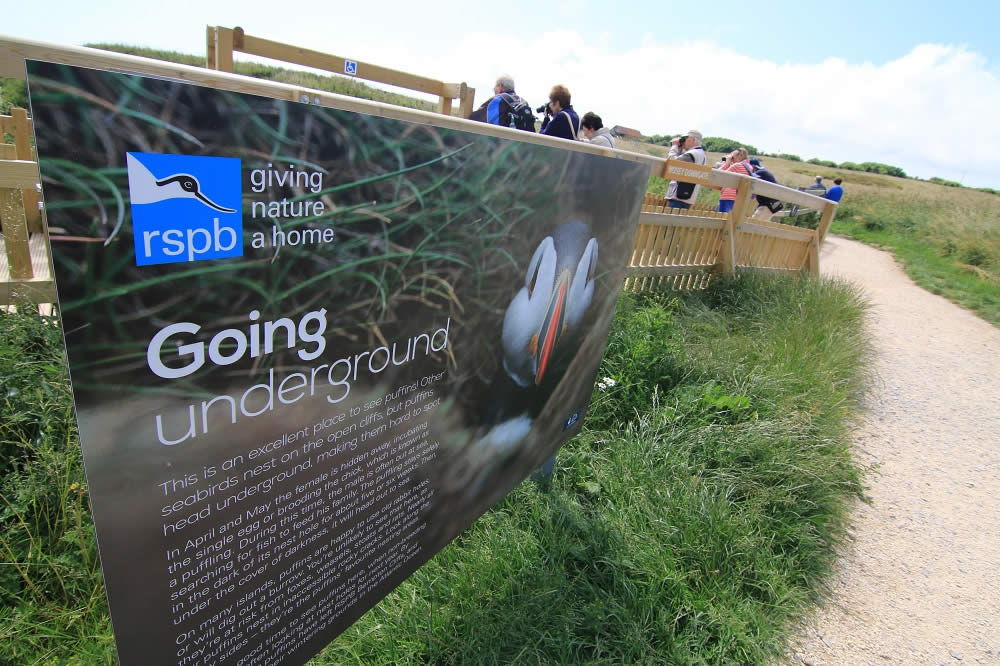
One of the best places in the UK to see seabirds. Each spring, a quarter of a million birds flock to the spectacular cliffs and begin a life or death struggle to raise their young on the narrow ledges. The bird's eye view of a breathtaking wildlife spectacle never fails to delight visitors, with staff and volunteers always on hand for guidance. And even when the seabirds have left, a walk along the spectacular clifftop footpath will blow away the cobwebs. The visitor centre features live CCTV images of nesting gannets, a shop, and hot drinks.

  • Spring: Breeding seabirds return, including gannet, puffin, guillemot, razorbill, fulmar, kittiwake, herring gull and shag. Farmland birds such as skylark, linnet, meadow pipit, reed and corn bunting abound and there are normally kestrel and peregrine.
  • Summer: The seabird breeding season peaks with 200,000 seabirds with eggs or chicks. A range of butterflies may be seen on sunny days and carpets of red campion and orchid add colour to the clifftop. Keep an eye out in particular for the stunning bee orchid.
  • Autumn: Many seabirds have departed and breeding has ended, but thousands of gannets are still nesting. Thousands of thrushes arrive from Scandinavia and flocks of pink-footed geese make their way overhead. Migrant warblers, flycatchers and chats can be found and in some years the reserve is alive with the sounds of migrating goldcrests. Offshore, Manx and sooty shearwater, arctic and great skua may be seen.
  • Winter Bracing cliff top walks and fantastic seascapes are among the best in Yorkshire. Short-eared owls winter here, though in poor 'vole' years there may only be a few. By January gannets will return in good numbers and keep an eye out on the sea for passing porpoises and grey seals. The feeding station attracts tree sparrows and finches.

Cliff Lane, Bempton, Bridlington, North Humberside YO15 1JD
OS Landranger 101 Grid Reference TA 197738

Blacktoft Sands

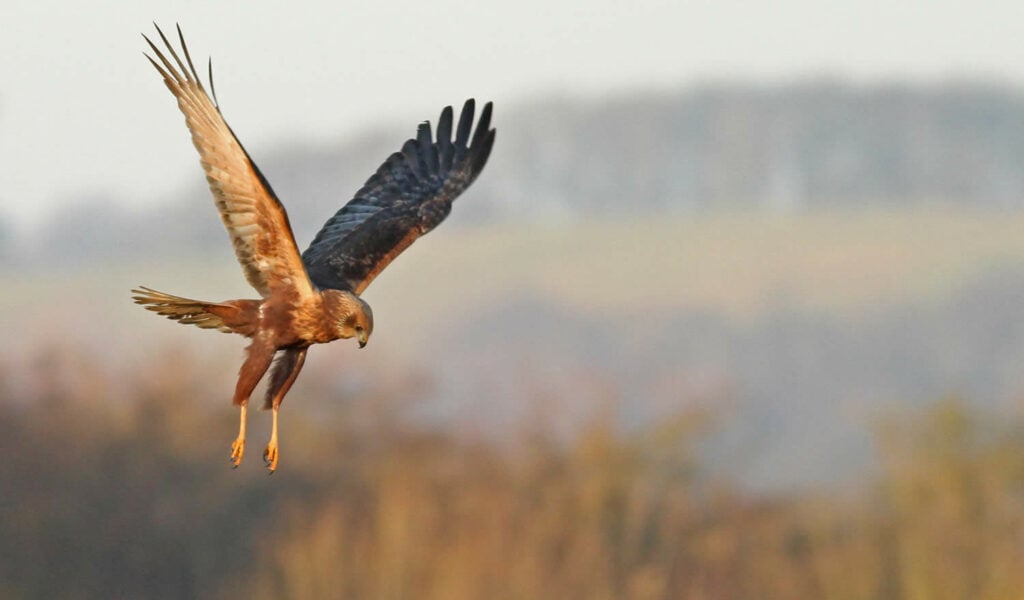
On the south bank of the River Ouse, this fabulous reserve features open water and a tidal reedbed, the largest in England. Home to bittern, marsh harriers and bearded tits at one of their most northerly outposts. One of the most breathtaking sights to look out for is marsh harriers performing their aerobatic displays and food passes in spring. From mid June onwards, migrating waders make a stop on the lagoons giving close views of these birds. 270 species have been seen here including 50 species of waders. A series of events throughout the year introduces beginners to waders, warblers and raptors.

  • Spring: Bitterns boom and up to eight species of warblers sing as breeding begins. Avocets establish their nest sites on the islands. Look out for marsh harriers performing their courtship flights.
  • Summer and Autumn: Marsh harriers hunt for food for their chicks. Migrating waders - spotted redshank, greenshank, black-tailed godwit, ruff and dunlin - can be seen on the lagoons. Look out for water rail and beaded tit.
  • Winter: Large bird of prey roost: marsh harriers, merlin and the occasional hen harrier. Barn owls are often seen hunting in front of the hides. Winter wildfowl can be seen on the lagoons.

Ousefleet, Goole, DN14 8HL
OS Landranger 108 Grid Reference: SE 843232

East Riding of Yorkshire Council

danes dyke 1Danes Dyke Local Nature Reserve

Named after the ancient two mile ditch and bank earthwork which runs through the reserve and across the whole of the Flamborough headland, effectively securing five square miles of land . The reserve contains the most extensive area of woodland on the headland, and is important for attracting more resident breeding and wintering birds than any other nearby wood. In summer, bats can be seen after dusk on warm evenings in the woods and car park. The beach between here and Sewerby Steps has some good rock pools. The dyke and the steep cliffs make the enclosed territory and its two boat launching beaches, North and South Landing, easily defended. Despite its name, the dyke is prehistoric in origin, and Bronze Age arrowheads were found when it was excavated by Major-General Augustus Pitt-Rivers in 1879.

Danes Dyke, Sewerby, Bridlington, YO15 1AA
Grid reference OS Landranger 101 Grid reference TA 215694

South Landing Local Nature Reserve

Adjacent to the Living Seas Centre, South Landing LNR includes a woodland nature trail, wild flower meadow and a superb beach for rock pooling. A mecca for migrating birds in spring and autumn. From the cliff tops, there are panoramic sea views due south, an unusual experience on the Yorkshire coast.

South Sea Road, South Landing, Flamborough, Bridlington, YO15 1AE
OS Landranger 101 Grid reference: TA 231695 ]

Millington Wood Local Nature Reserve

This ash wood occupies Lily Dale and dates back nearly 1000 years to 1086. Lily Dale is a typical dry valley of the Yorkshire Wolds, and has distinctive chalk landscape features. The deeply incised and branching chalk dales around Millington are some of the finest undisturbed examples in England.

Botanically, Millington Wood is a SSSI and the richest woodland in the East Riding. In spring, look for carpets of bluebells and wild garlic. In summer, the main ride features stunning giant bellflowers towering above the flower filled verges. These can grow up to two metres and particularly love the calcareous soils. Millington also has the smaller nettle-leaved bellflower that is usually found further south.

Conifers and other species planted in the 1950`s are being removed, to encourage the chalk loving ash that would once have dominated the wood. Selective felling of the shade-casting sycamores and beech trees also encourages regeneration of the chalkland flora.

Millington, Pocklington, YO42 1TX
OS Landranger 106 Grid reference SE 838530

Humber Bridge Country Park and Nature Reserve

Set alongside the Humber Estuary overlooking the iconic Humber Bridge, this reserve features short trails taking visitors from woodland to grassland to poolside habitats. This disused chalk quarry is now covered in chalk loving ash trees, with their creeping roots allowing them to cling onto ledges and the chalky quarry walls. In summer, butterflies such as peacock, red admiral, small tortoiseshell and painted lady flutter around the distinctive purple buddleia bushes dotted across the reserve. The rarest butterfly present is the white letter hairstreak, so named because of a white L-shaped letter on its underwing. To see this elusive butterfly, look high up in the elm trees during July when they lay their eggs.

Ferriby Road, Hessle, Hull, HU13 0HB
OS Landranger 107 Grid reference TA 021262