
Welcome to Yorkshire
History • June 30th, 2026
|Today, the most striking reminders of Rosedale’s ironstone industry are the calcining kilns that survive on the hillside above the valley. What was once a harsh place of heat, smoke and industry has become one of the most recognisable industrial monuments in the North York Moors—and, ironically, a paradise for walkers, cyclists and visitors alike.
The kilns were built to process ironstone before it was sent to the ironworks of northern England. Freshly mined ore was roasted, or ‘calcined’, to remove moisture and impurities, reducing its weight and making transport more economical. During the height of production, the site formed part of an extensive industrial complex connected to mines, tramways and later the railway that carried the processed ore out of the valley.
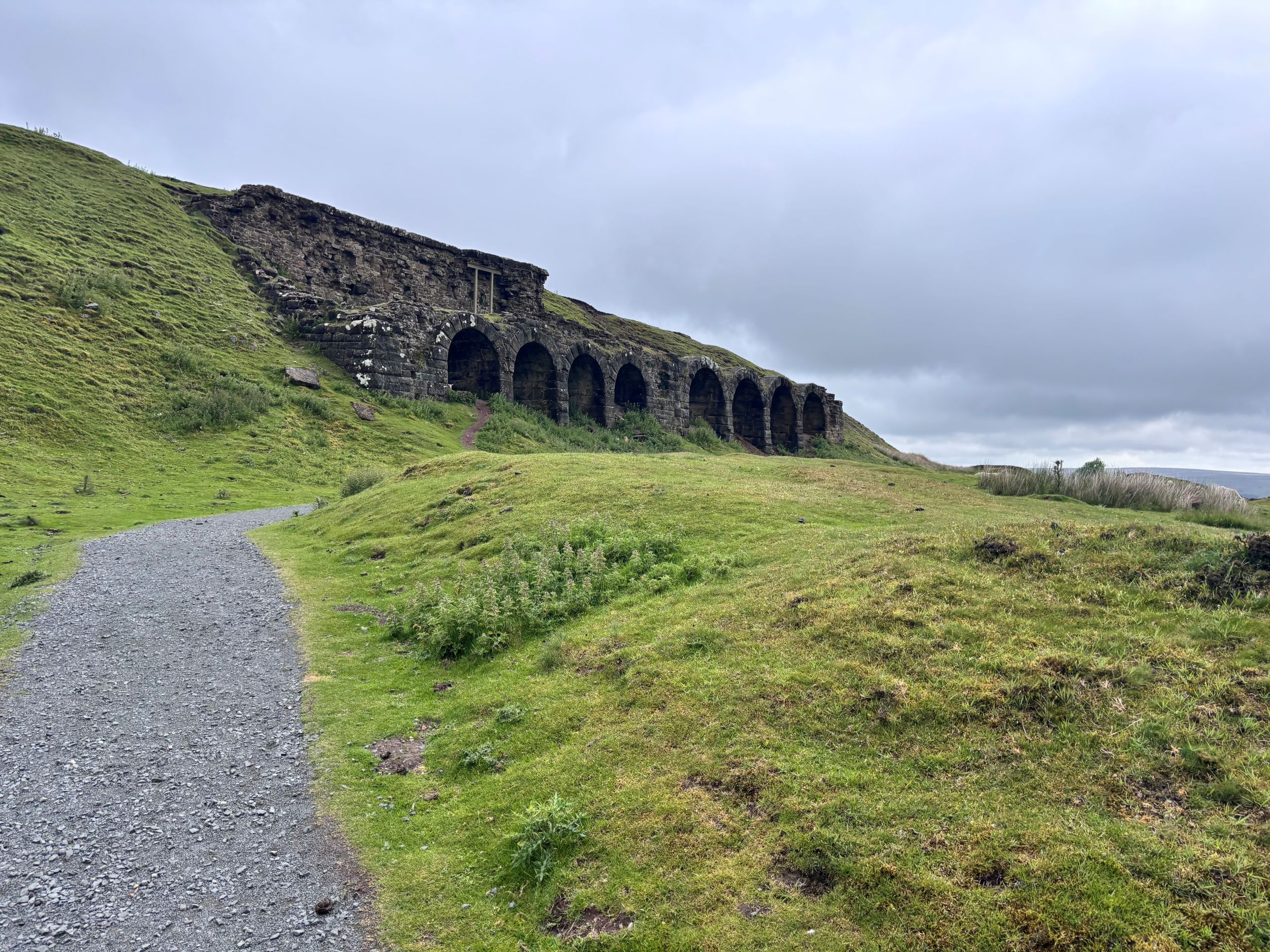 Kilns at Rosedale Abbey
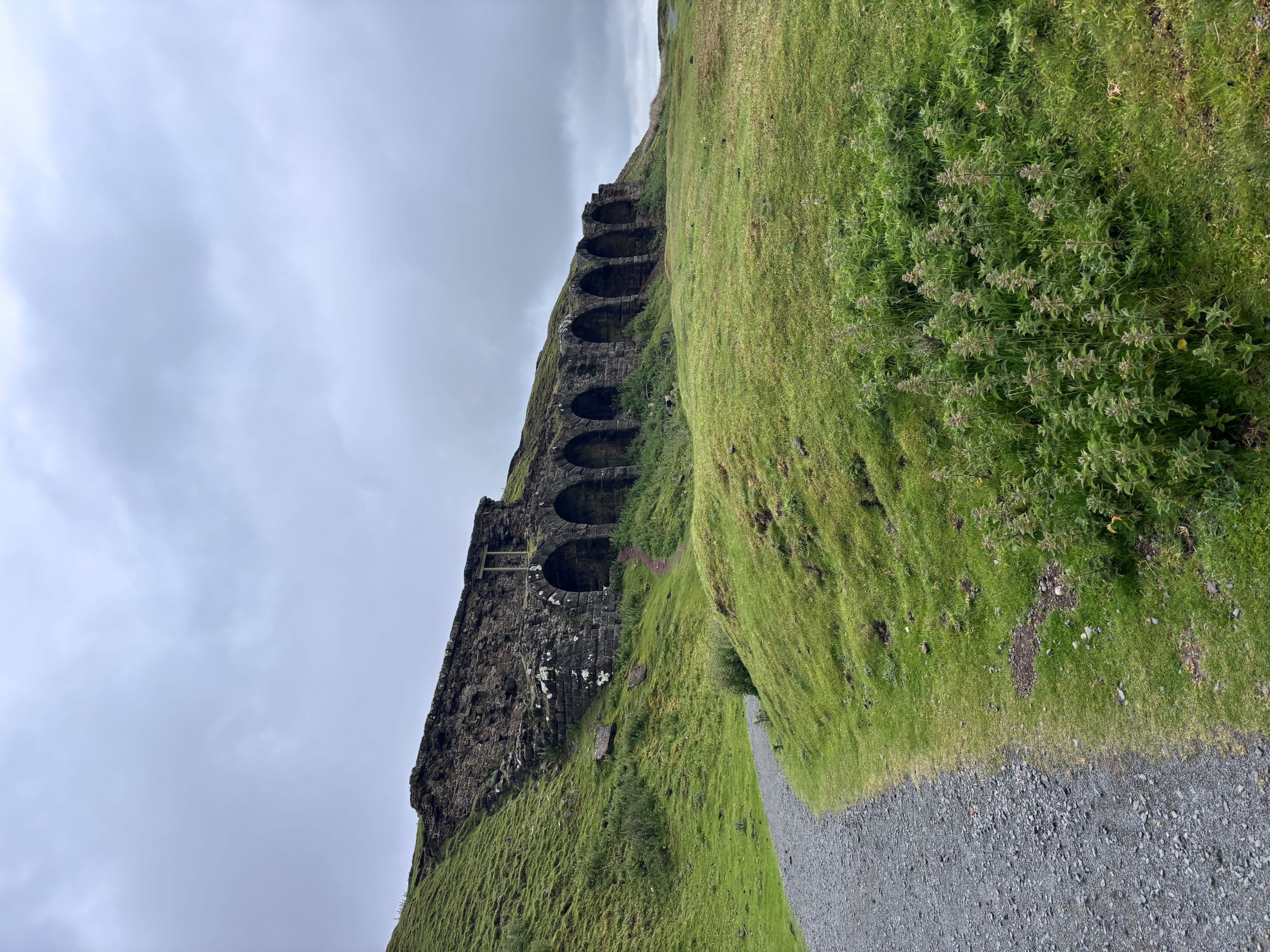 Kilns at Rosedale Abbey
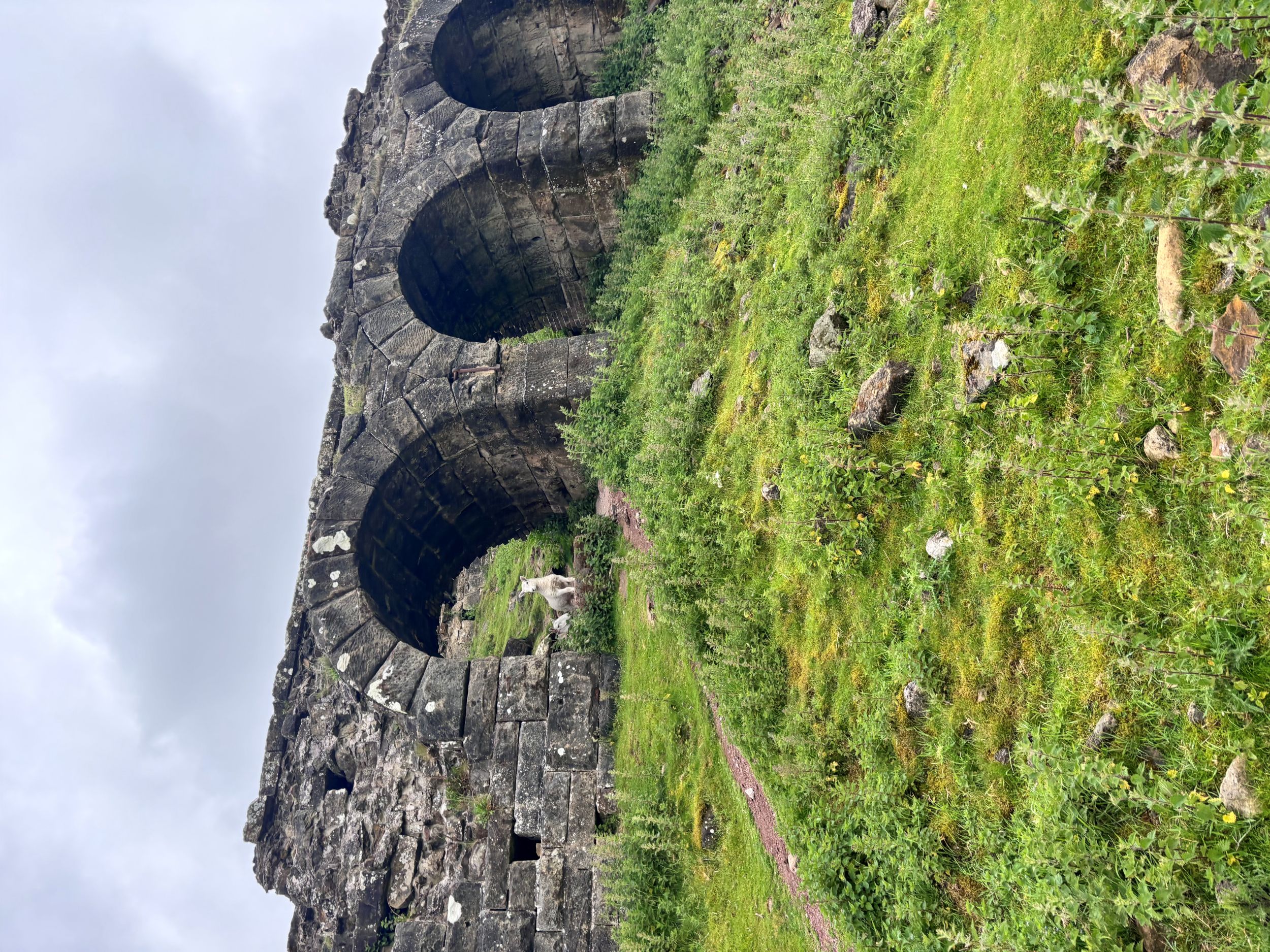 Kilns at Rosedale Abbey
The steep road climbing from Rosedale Abbey, upon which the kilns are perched, acquired the name “Chimney Bank” as a tall chimney once dominated the skyline. Although often associated with the kilns, the chimney actually served the winding house boiler system connected with mining operations. For decades it was a landmark visible across the valley until its demolition in 1972.
What survives today shows how the kilns were constructed directly into the steep hillside beside the railway. These historic remains include a stone arcade, portions of the original firebrick lining and evidence of the iron beams that once supported the structure. Some sections of masonry are missing, partly because material was removed after the mines closed during efforts to recover valuable calcined waste from the spoil heaps below.
Although weathered by nearly a century of exposure, the kilns are now protected as a Scheduled Monument. Conservation work in recent decades has helped stabilise the structures and slow further deterioration, ensuring that the arches and walls continue to tell the story of the miners, railway workers and labourers who transformed this remote dale into a centre of industrial production.
Books by Dr Emma Wells #ad
Yorkshire Team
The Yorkshire.com editorial team is made up of local writers, content creators, and tourism specialists who are passionate about showcasing the very best of God’s Own Country. With deep roots in Yorkshire’s communities, culture, food scene, landscapes, and visitor economy, the team works closely with local businesses, venues, and organisations to bring readers the latest news, events, travel inspiration, and insider guides from across the region. From hidden gems to headline festivals, Yorkshire.com is dedicated to celebrating everything that makes Yorkshire such a special place to live, work, and visit.
View all articles →

