
Welcome to Yorkshire
History • July 22nd, 2026
|Harewood House, a historic gem located in Yorkshire, has recently been awarded the prestigious Frances Garnham Award for Education in 2026. This accolade recognises the house’s innovative education programme, which delves into its connections to the transatlantic slave trade and examines its ongoing effects today. The award highlights the importance of learning about challenging histories and engaging students in meaningful conversations.
Education Programme at Harewood
The education programme at Harewood House has been meticulously developed over the past four years. It aims to help young people understand the complex history surrounding the slave trade through a variety of engaging methods.
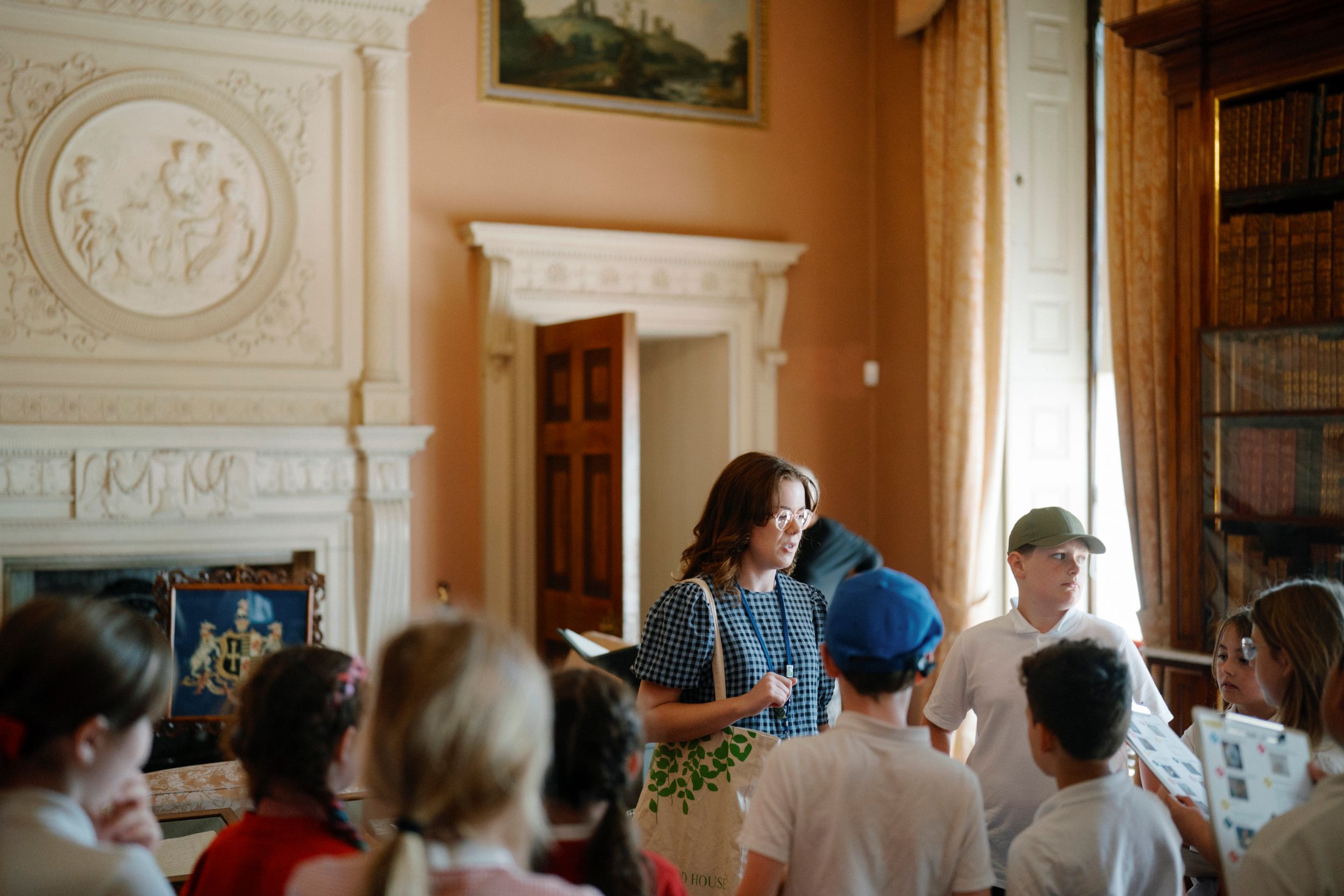
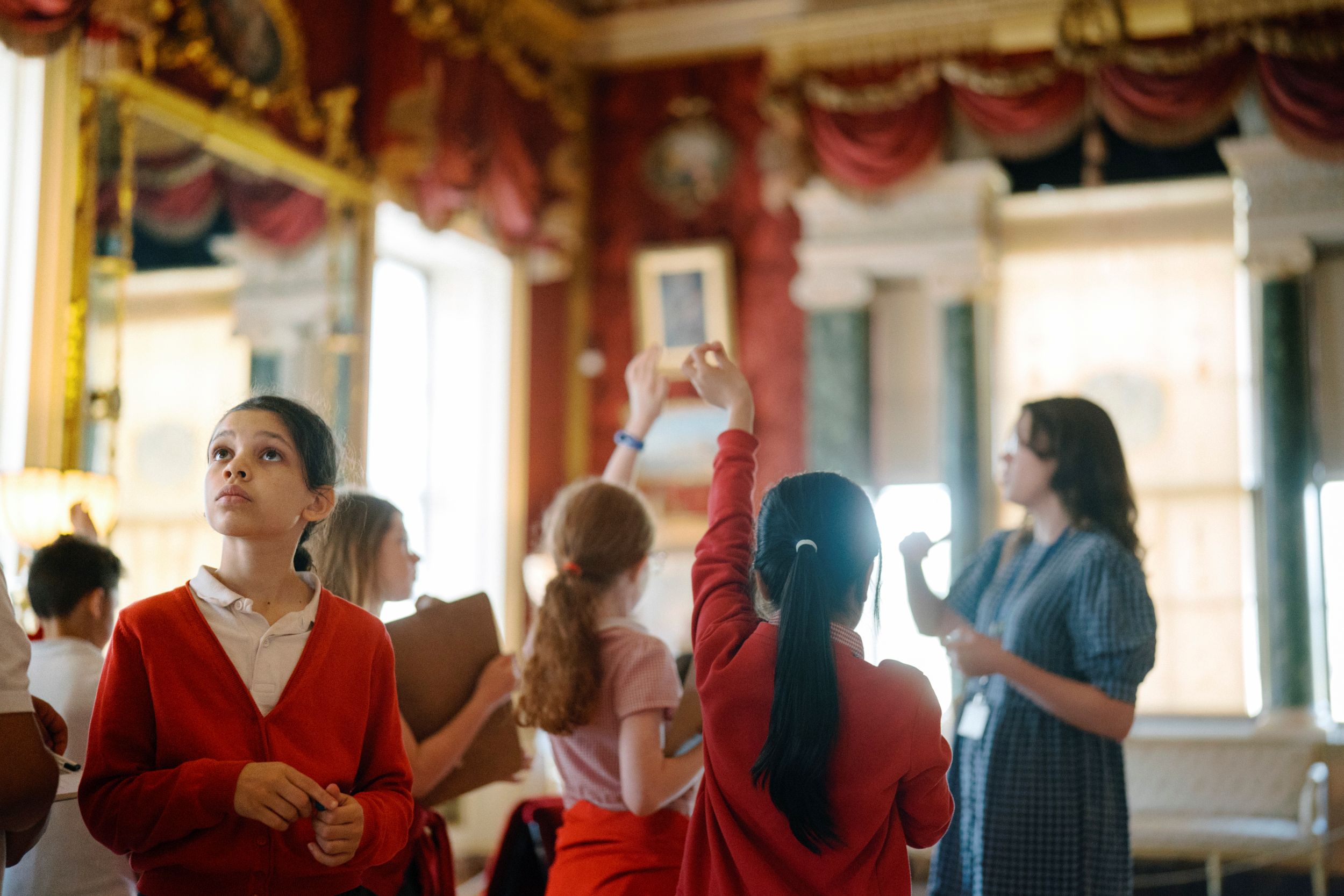
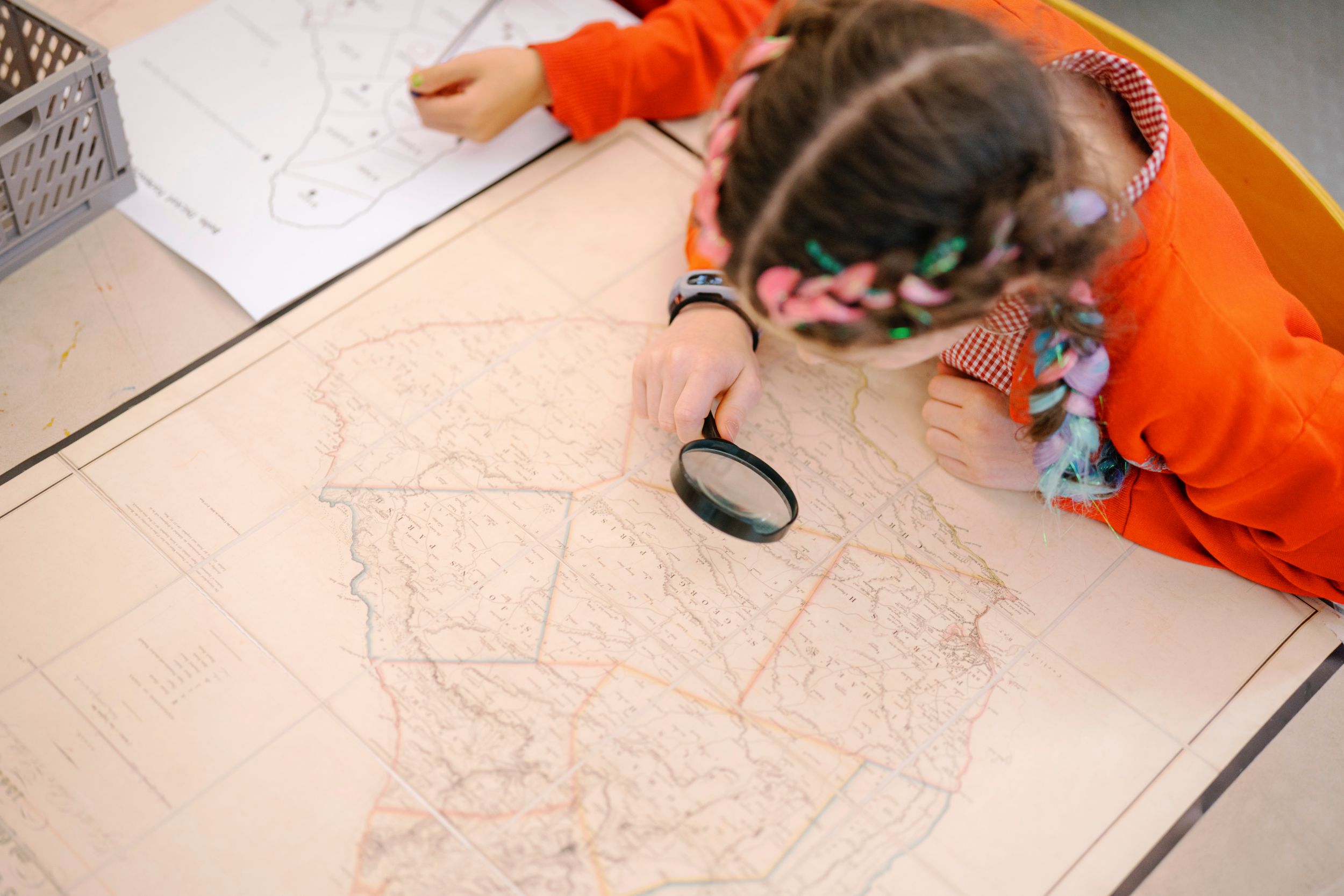
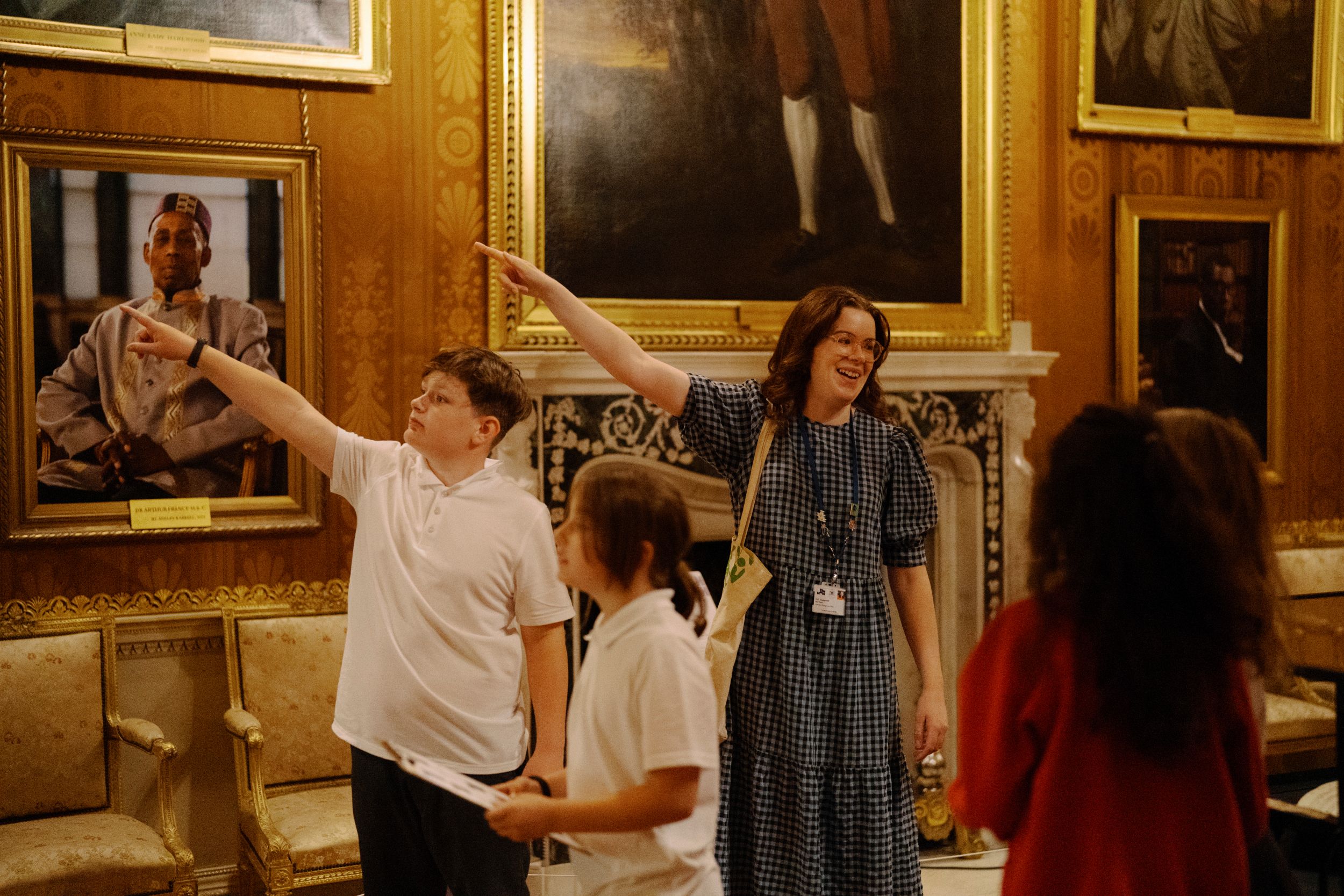
Students can participate in:
On-site sessions at Harewood House
Live online workshops
Self-directed visits
These activities centre around the human stories tied to Harewood's past, fostering empathy, critical thinking, and reflection among students. This approach not only educates but also encourages participants to think deeply about historical events and their implications.
The Significance of the Award
The Frances Garnham Award is named after Frances Garnham, who was the Director of Policy and Campaigns at Historic Houses until 2015. She was a strong advocate for making heritage sites more accessible and engaging for diverse audiences. The award celebrates innovative examples of learning and outreach within these sites. This year, for the first time, the award is sponsored by Purcell, a firm renowned for its work in conservation and sustainable design since 1947. Their involvement ensures that the legacy of Frances Garnham continues to thrive.
Voices from Harewood
Mary Walsh, the Learning and Engagement Manager at Harewood House, expressed her excitement about receiving the award:
“We are over the moon to receive this award. For the last four years, a priority for our formal learning programme has been the continuous development of our Transatlantic Slave Trade sessions. It means a lot to be recognised for our innovative and meaningful approach to this topic. We hope to inspire other institutions with challenging histories to take a similar approach to their learning programme and help shape the next generation into critical, well-balanced thinkers when it comes to Britain's past.”
Thomas Brigden, a partner at Purcell and a member of the judging panel, praised Harewood’s efforts:
“We were extremely impressed with the way Harewood have used their house, gardens and archive to make the difficult histories of colonialism and the transatlantic slave trade tangible and relevant to students. The sensory, innovative approach in the gardens stood out, as did the moving focus on ‘small acts of rebellion,’ which gave every child something positive to connect with. A worthy winner.”
About Harewood House
Harewood House is not just a site of historical significance; it is also a Grade I listed building that merges heritage with contemporary creativity for the public's benefit. Built in 1759 by the architect John Carr, Harewood was funded by the Lascelles family’s deep involvement in the Caribbean sugar trade and the transatlantic trade in enslaved African people during the 18th and early 19th centuries. The house boasts stunning interiors designed by Robert Adam, exquisite furniture by Thomas Chippendale, and beautiful landscapes by Lancelot 'Capability' Brown.
Each year, Harewood welcomes around 250,000 visitors, offering them a chance to explore its vast collections, including Renaissance masterpieces, family portraits by artists like Reynolds and Gainsborough, and fine Sèvres porcelain. The current Earl and Countess of Harewood, David Lascelles and Diane Howse, have also invited contemporary artists to create new works that provoke fresh perspectives on the house and its gardens, ensuring that Harewood remains a lively space where art, history, and ideas come together.


