Welcome to Yorkshire
Published on March 18th, 2026
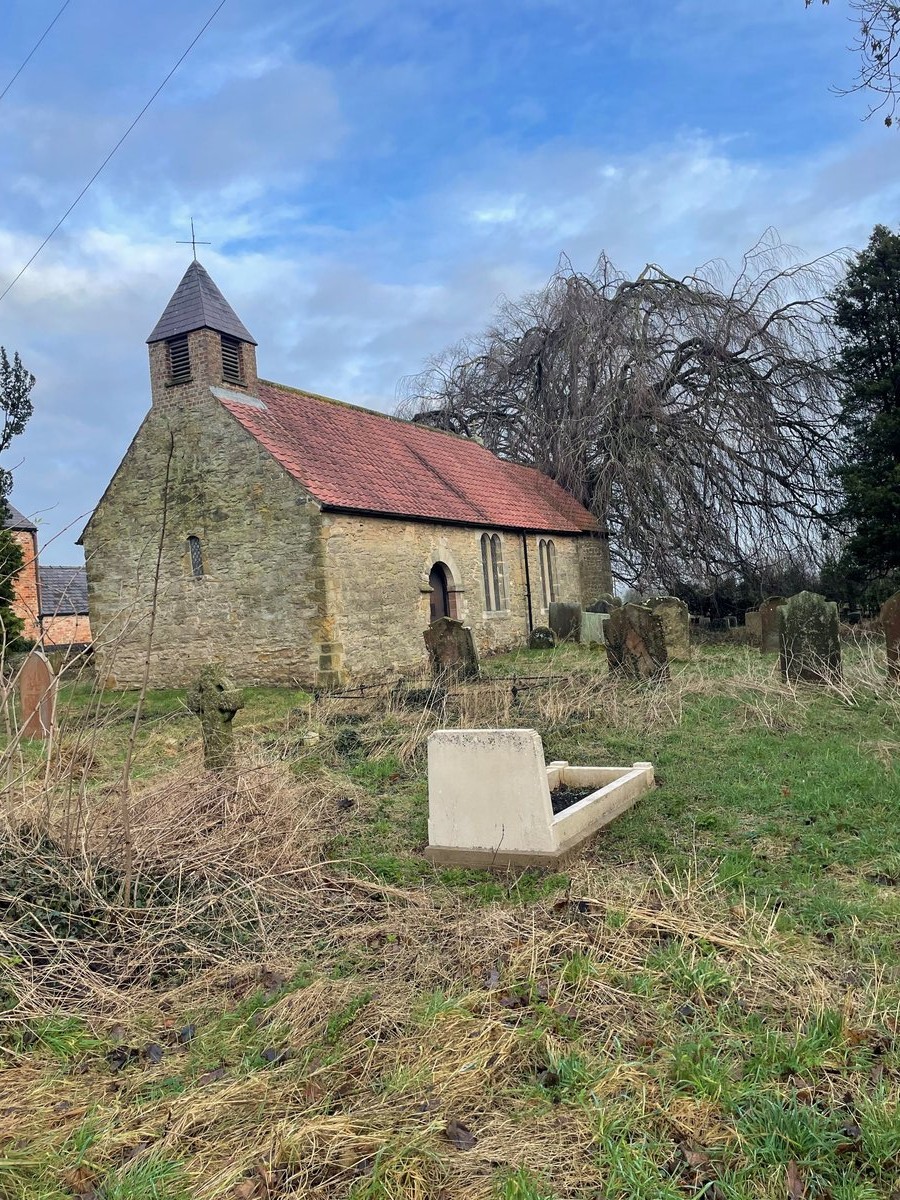
•The small rural church known as St Mary's in Birdforth stands beside the modern A19 road in North Yorkshire, though is easily overlooked. Its origins reach back to the 12th century, when the earliest fabric of the building was constructed during the Norman period. Alterations and additions were made across several centuries, including work during the 16th and 17th centuries and further modifications in the 18th and 19th centuries.
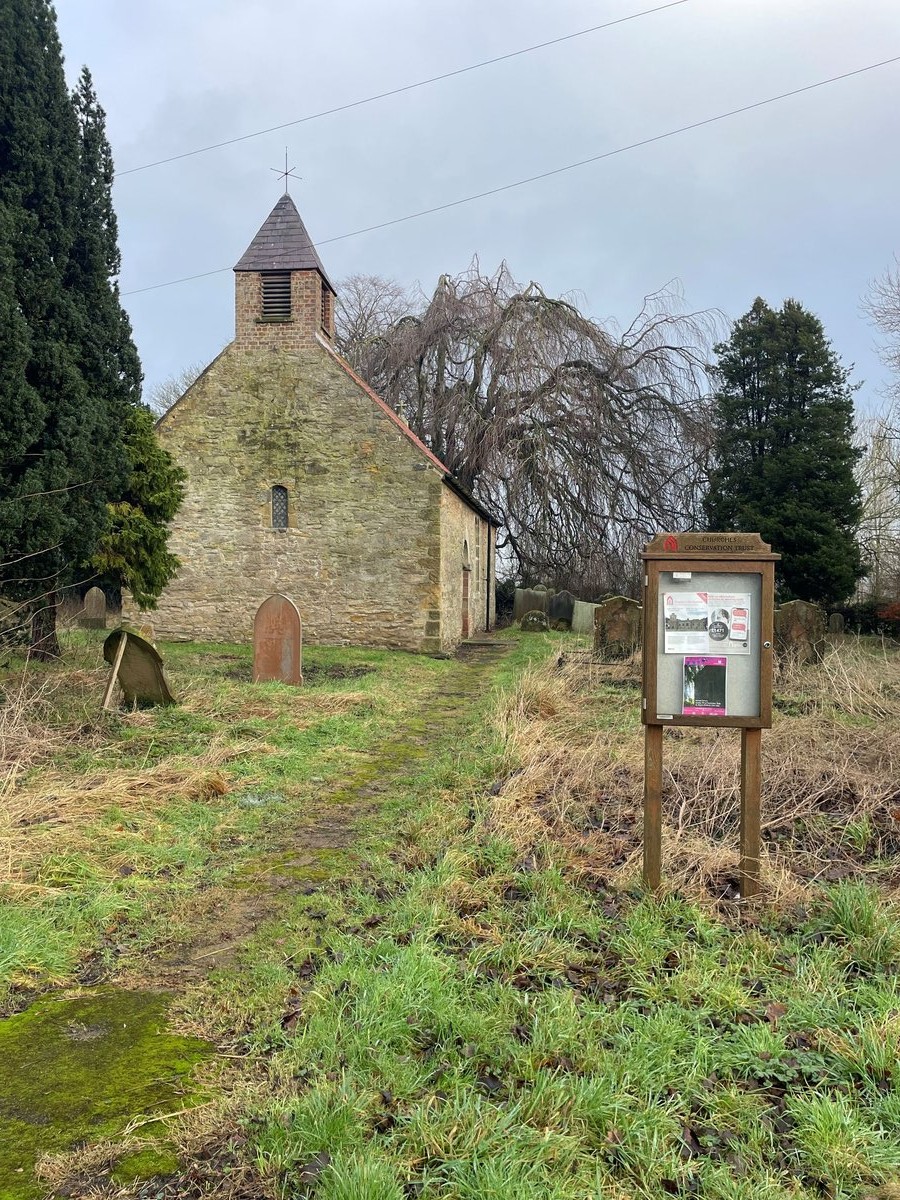
By the 20th century, the congregation had declined, a common fate for many small rural chapels, and was officially declared redundant in 1975. The building was transferred to the Churches Conservation Trust in 1978, ensuring its preservation as a historic monument rather than an active parish church.
The exterior retains several historic features. On the south side is a round-arched doorway characteristic of Norman Romanesque architecture, emphasised by simple stone mouldings and quoined stonework. At the western end of the church stands a 19th-century brick bellcote with louvred openings. Its pyramidal slate roof and iron finial provide a modest vertical accent to the otherwise low-lying structure.
Inside, the church preserves a number of notable furnishings. A circular stone font dating from the 12th century survives from the earliest phase of the building. Other elements reflect later centuries, including a 17th-century lectern and a panelled pulpit from around 1700, decorated with vines. A carved stone coat of arms dated 1585 is set into the chancel wall, while a medieval tomb slab bearing the carving of a sword likely dates from the 14th century. Finally, wrought-iron communion rails form a repeating AS monogram, likely honouring the churchwarden who commissioned or oversaw their installation.
Although minor and no longer used for regular services, Birdforth’s church remains an evocative example of the English rural parish church.
Books by Dr Emma Wells #ad