Welcome to Yorkshire
Published on July 9th, 2026
•Walking the Prosperous Mines Trail, which skirts the edges of Pateley Bridge, you know to expect the sprawling ruins of historic lead mines. Even so, nothing quite prepares you for the moment you emerge into the deep valley of Ashfoldside Beck, a landscape so profoundly transformed by centuries of mining.
The extensive ruins belong to the Prosperous Smelt Mill and the neighbouring Prosperous and Providence mines, opened in 1781 and abandoned in 1889. Among the finest surviving reminders of Nidderdale’s once-thriving lead industry, and an era when lead mining dominated the Yorkshire Dales. Although lead had been extracted here since the Middle Ages, the industry reached its height during the 18th and 19th centuries as Britain’s industrial expansion fuelled demand for the metal.
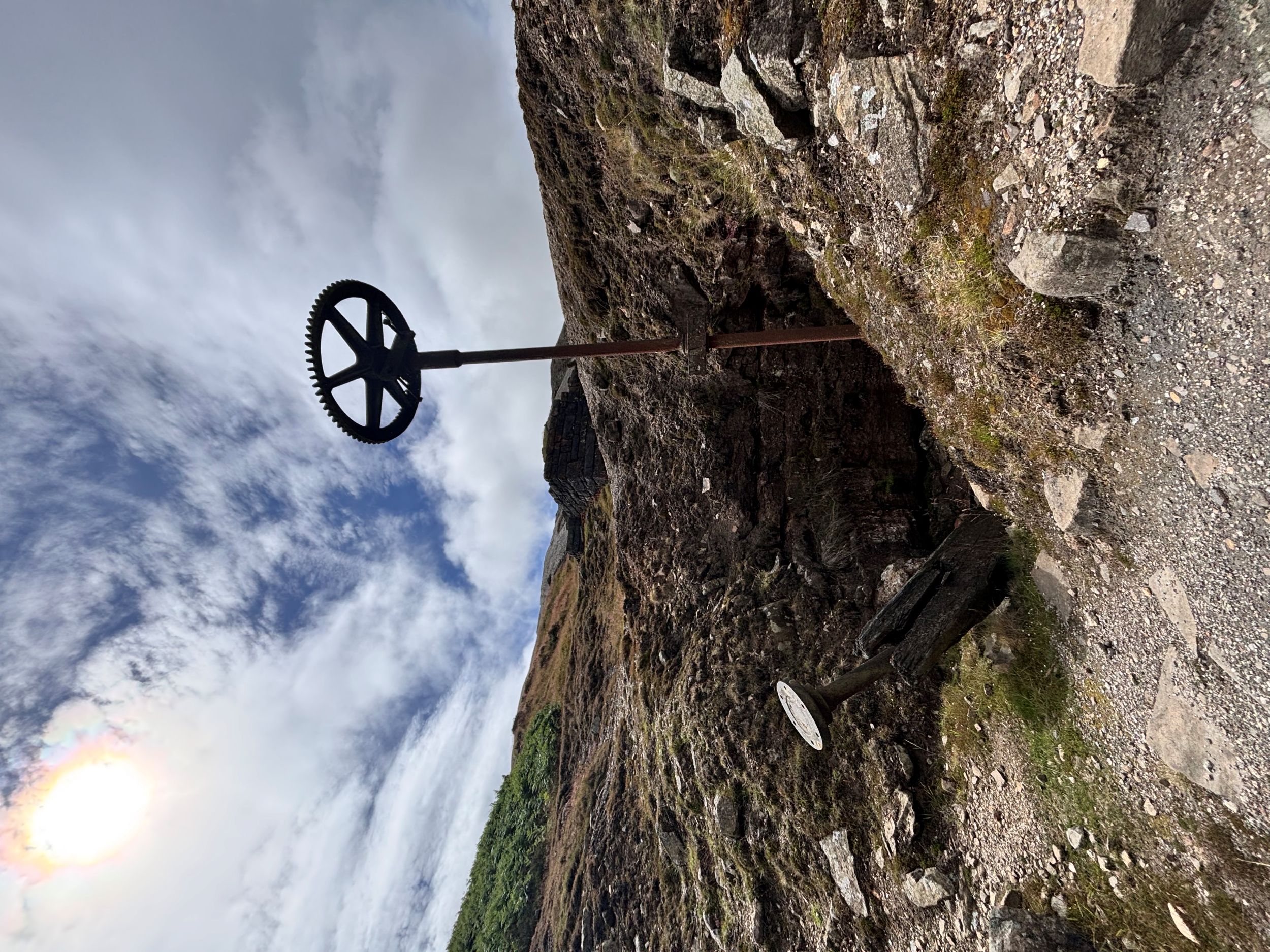
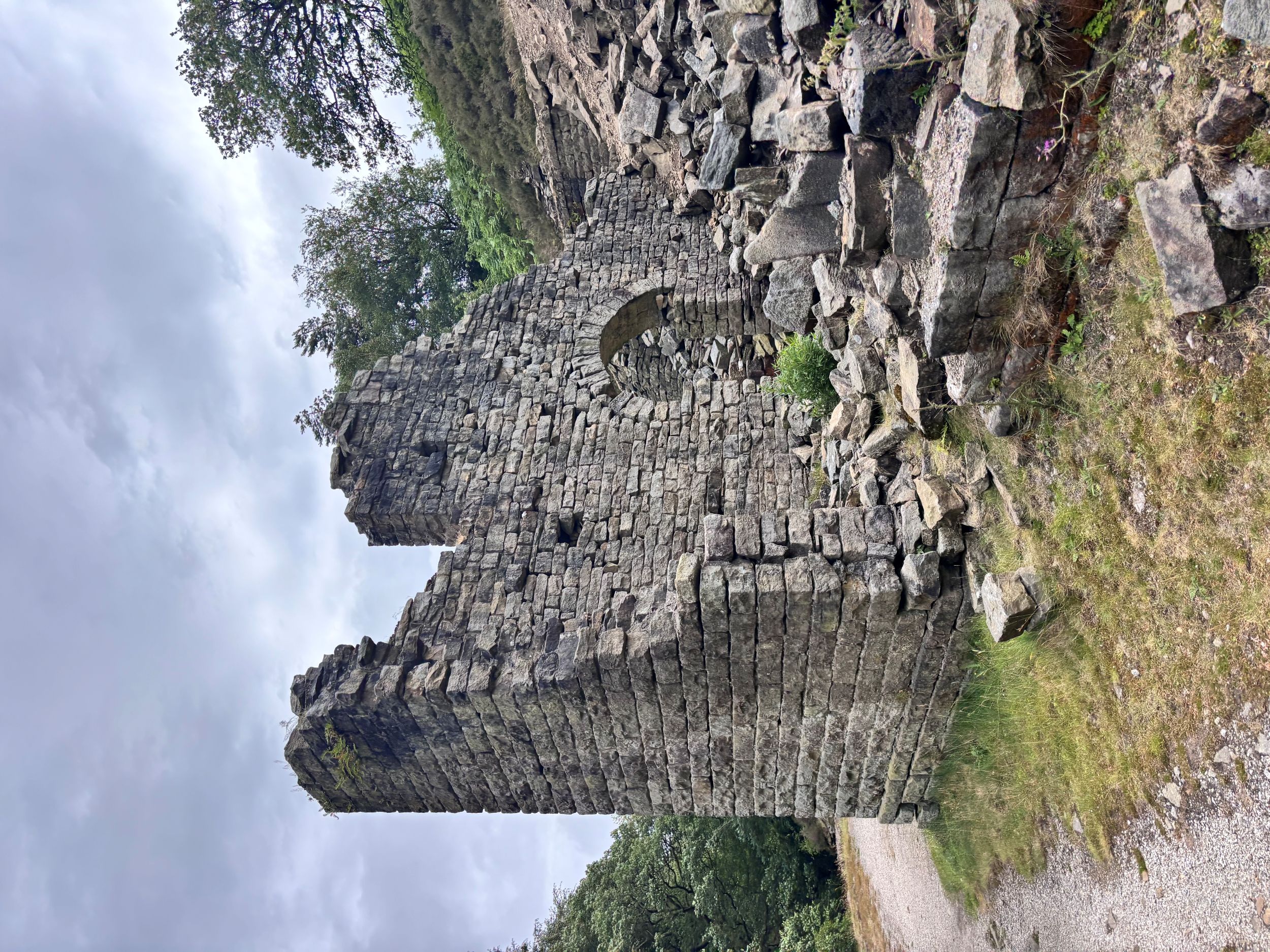
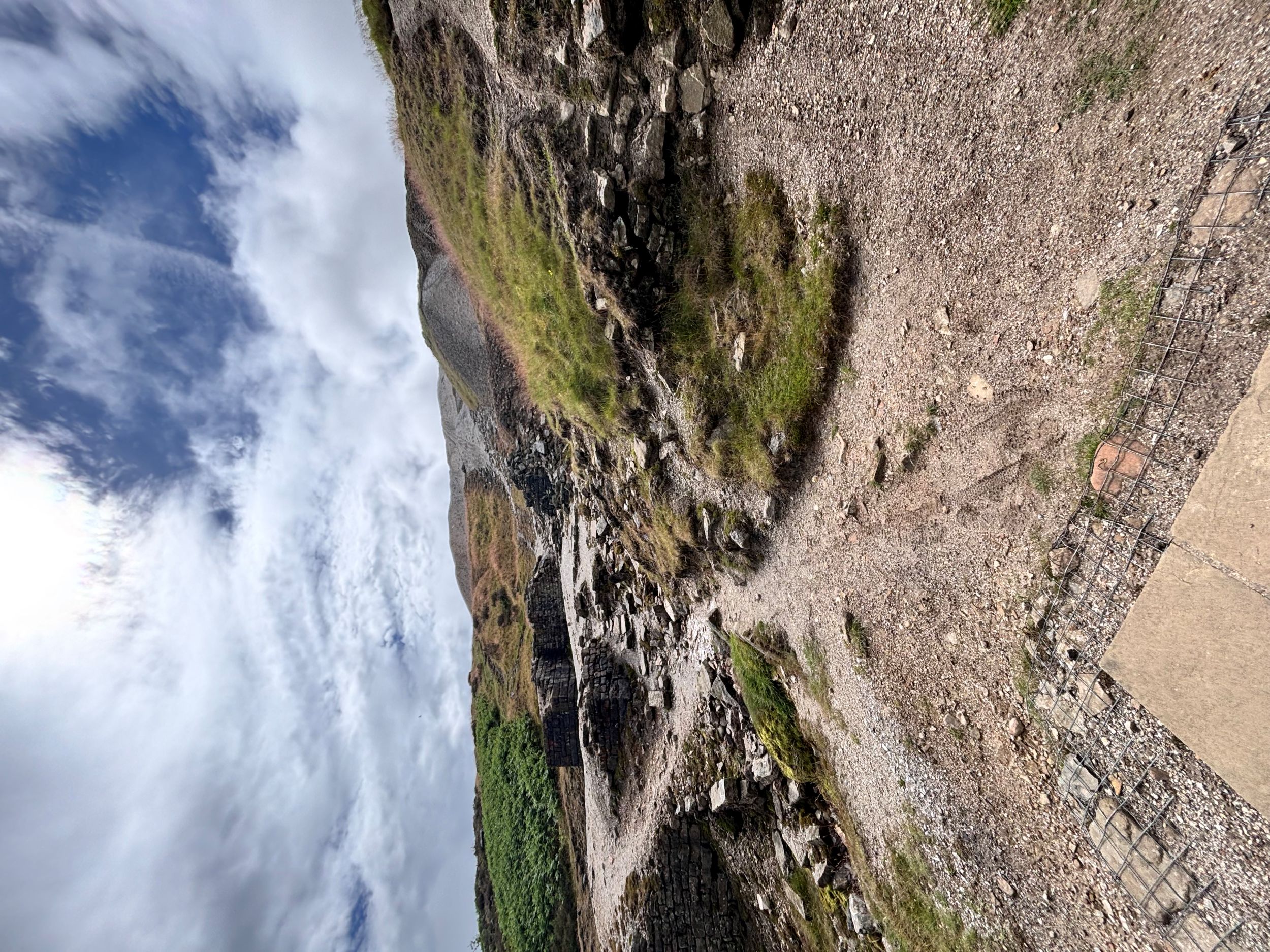
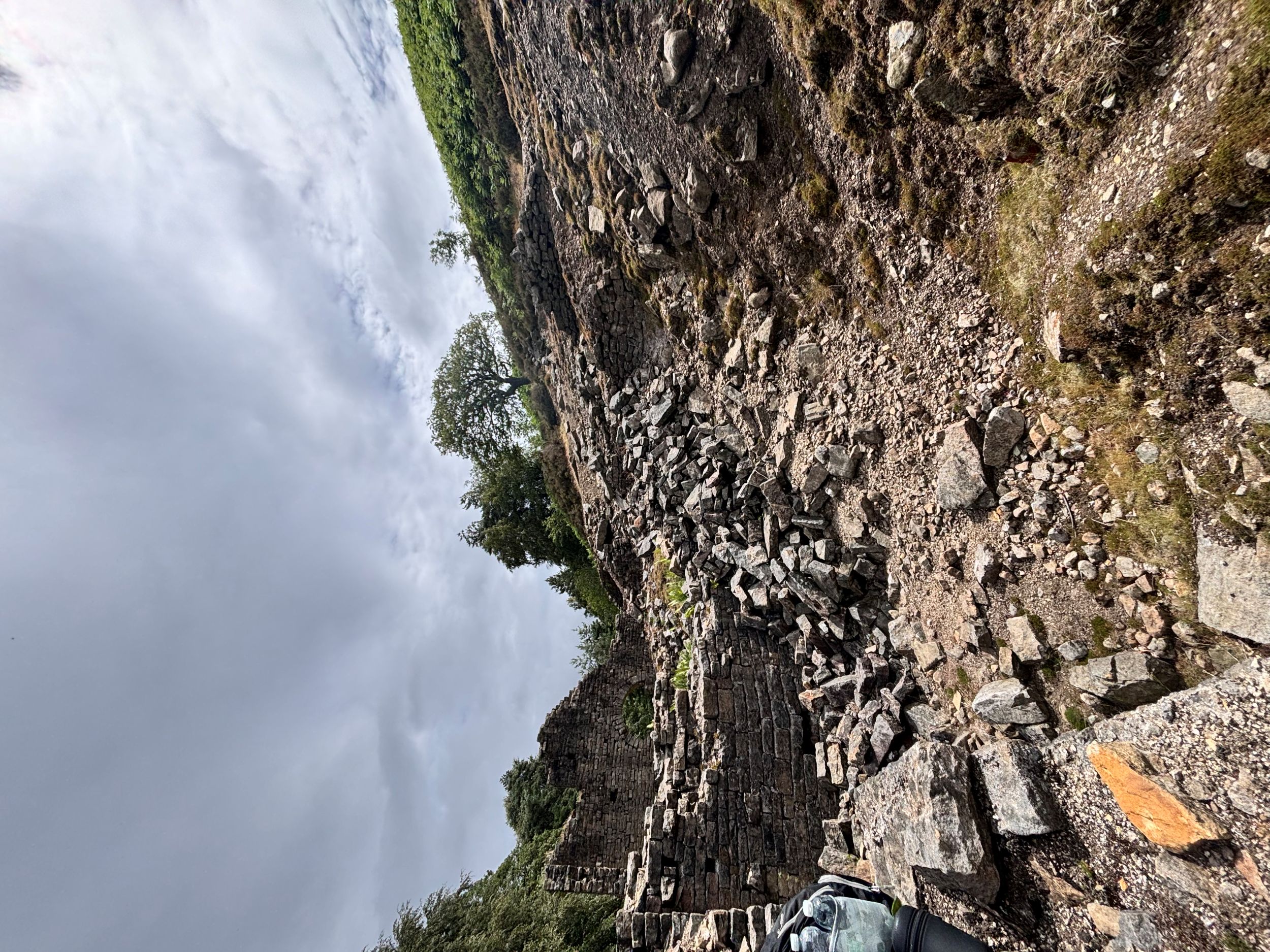
The Prosperous and Providence mines exploited veins of galena, the principal lead ore, buried beneath the moorland. Working underground was dangerous and physically demanding, with miners following narrow veins through cramped tunnels using picks, hammers and gunpowder before hauling the ore to the surface. The ore was then taken to Prosperous Smelt Mill on nearby Brandstone Beck, where water power drove machinery that crushed, washed and sorted it before smelting in reverberatory furnaces. The molten lead was cast into pigs for transport to markets across northern England.
One of the site’s most impressive surviving features is its long stone flue, which climbs the hillside to a tall chimney. Designed to carry toxic fumes away from the furnaces, it also trapped valuable lead particles that could later be recovered, improving both efficiency and profitability. Elsewhere, the remains of dressing floors, water channels, wheel pits and engine house foundations reveal a sophisticated complex that relied on both water power and gravity.
Like most Yorkshire lead mines, Prosperous and Providence eventually fell victim to declining lead prices and competition from richer overseas deposits. By the end of the 19th century, the mines had closed, and by 1904, the smelting mill lay in ruins. Today, protected as a Scheduled Monument within the Nidderdale National Landscape, the site offers one of the Yorkshire Dales’ most evocative industrial landscapes.
Books by Dr Emma Wells #ad