Welcome to Yorkshire
Published on August 19th, 2026
•The former Cornish pumping engine house at Hemingfield Colliery is an important surviving example of early Victorian industrial architecture, located at Hemingfield, near Elsecar in South Yorkshire. It forms part of the historic Hemingfield Colliery complex, which lies within the wider Elsecar industrial landscape and reflects the area’s long association with coal mining and heavy industry.
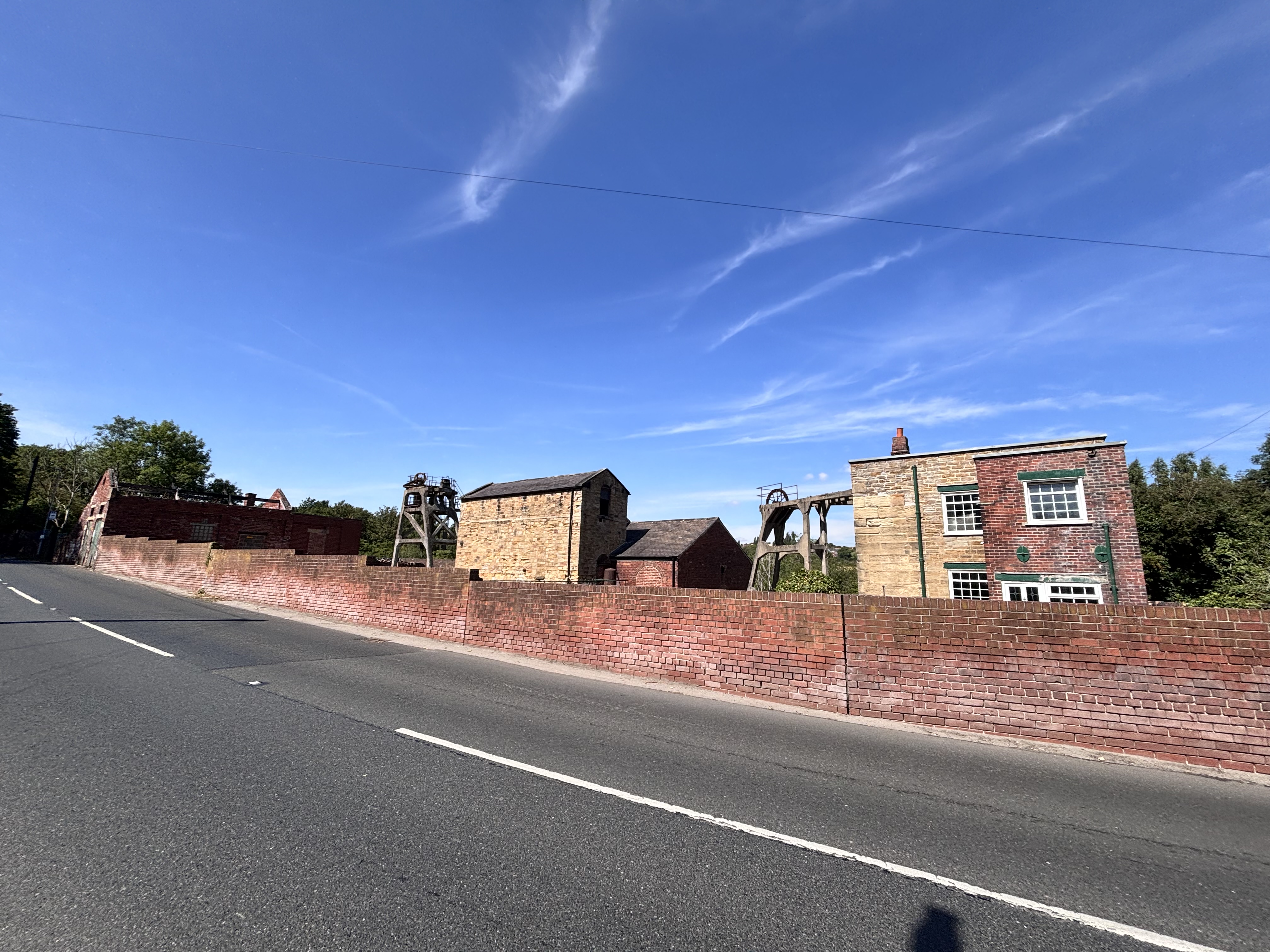
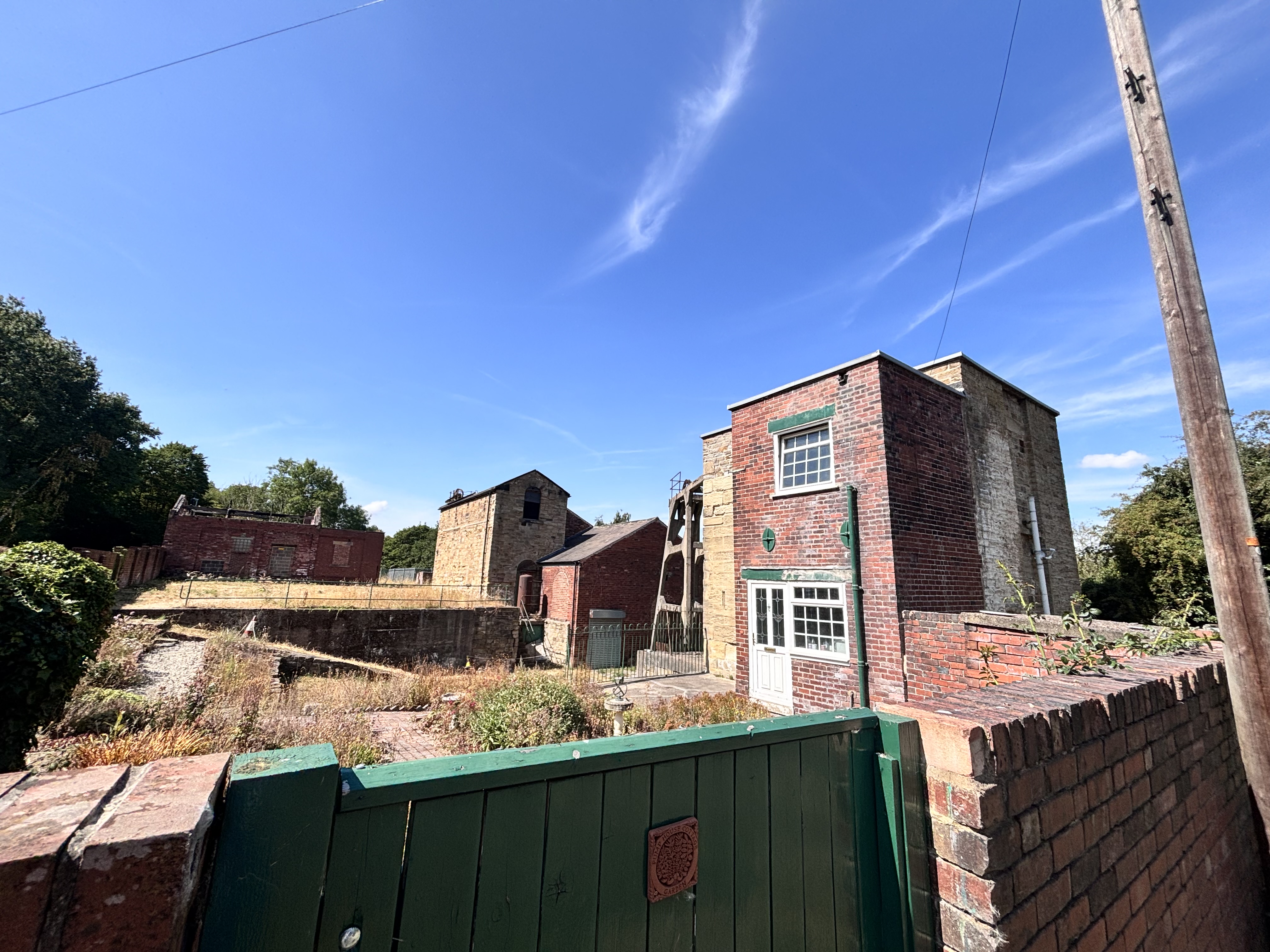
Built in 1843, the engine house was constructed to accommodate a 130-horsepower Cornish beam engine, which was used to pump water from the developing colliery workings. It formed part of the pithead complex established during the expansion of Hemingfield Colliery under the 5th Earl Fitzwilliam, with the colliery managed by mining engineer Benjamin Biram from 1833. The Fitzwilliam family played an important role in the development of the local coal industry and adopted a paternalistic approach towards their workers and tenants. The 5th Earl was also a supporter of the Coal Mines Inspection Act of 1850, which introduced government inspection of mines for the first time.
Constructed from finely dressed sandstone, the engine house is a robust two-storey building designed specifically around the operation of a large beam engine. Its surviving features provide an insight into the scale and complexity of Victorian mining technology. The massive bob wall, more than a metre thick, supported the engine beam, while a tall blocked arched opening relates to the former engine arrangement. A further large arched opening on the north-west elevation was used to install and remove the engine cylinder.
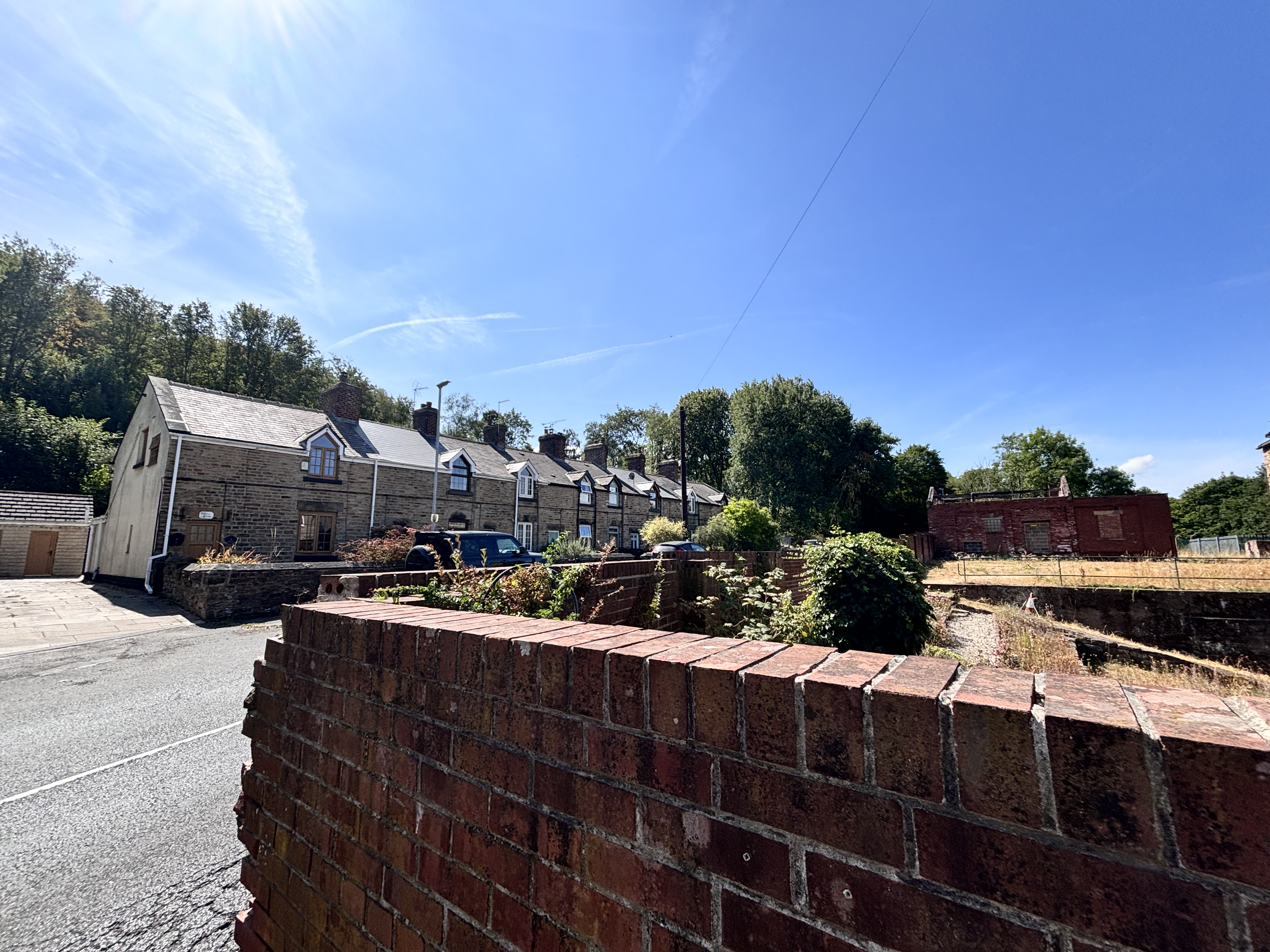
The building was altered during the 20th century. Following the removal of the engine, it was converted to domestic accommodation in 1934, with a later brick extension added. Today, the scheduled colliery remains form a scheduled monument, along with the canal basin and other industrial structures, including Put Row Cottages located opposite the pumping house.
Books by Dr Emma Wells #ad