
Welcome to Yorkshire
Published on July 28th, 2026
•This World Nature Conservation Day, celebrated on 28th July 2026, The Deep, a prominent aquarium and conservation charity in Hull, is highlighting a vital project aimed at saving a rare aquatic invertebrate. The initiative is being carried out in collaboration with the Species Recovery Trust, Forestry England, and surveyors from the Dipterist Forum. This partnership began in 2024 and focuses on the conservation of the Barred Green Colonel soldierfly, a species that is critically threatened and only found in a single location in the UK, specifically in Dalby Forest within the North York Moors National Park.
Rare Species in Danger
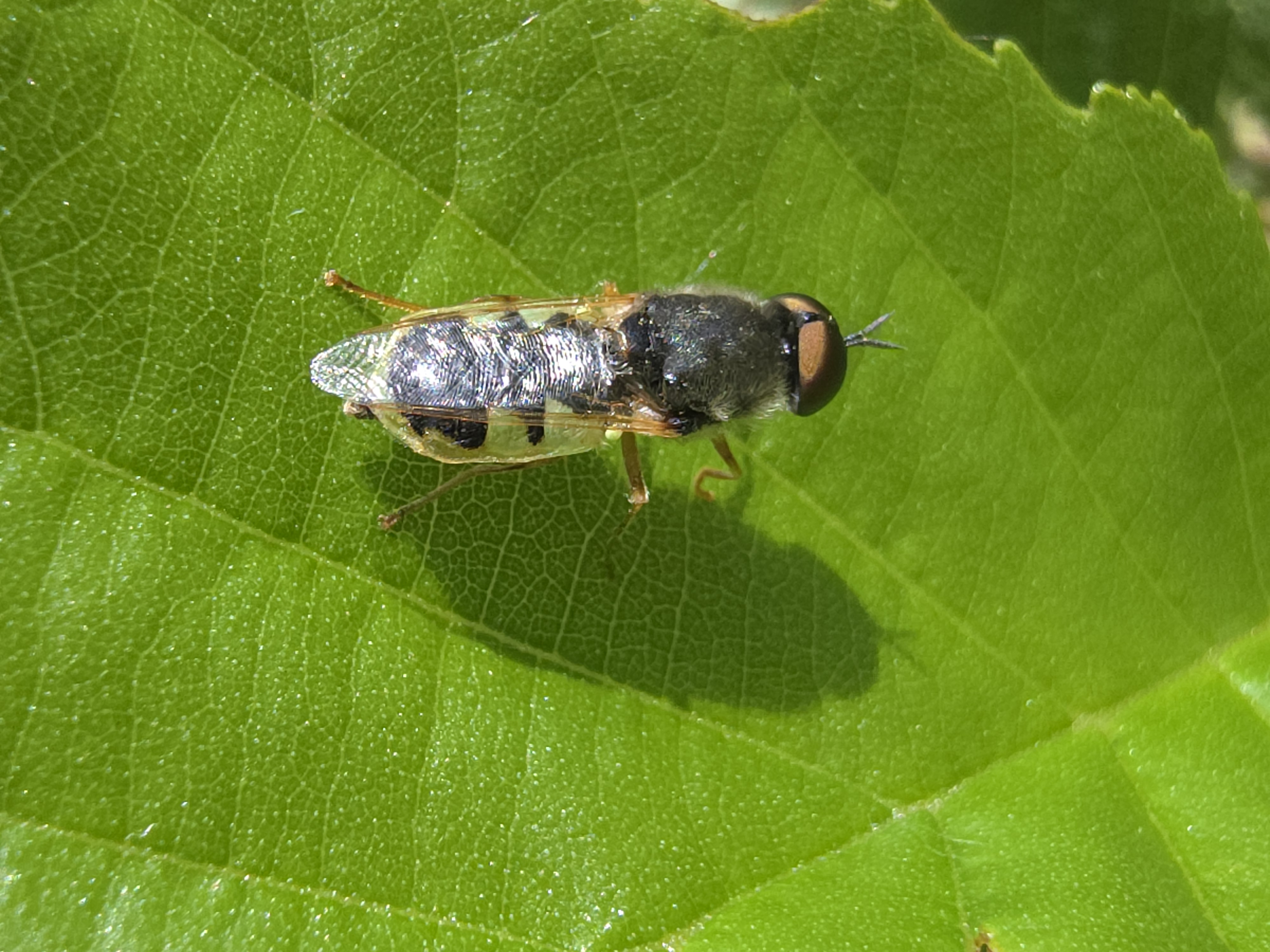
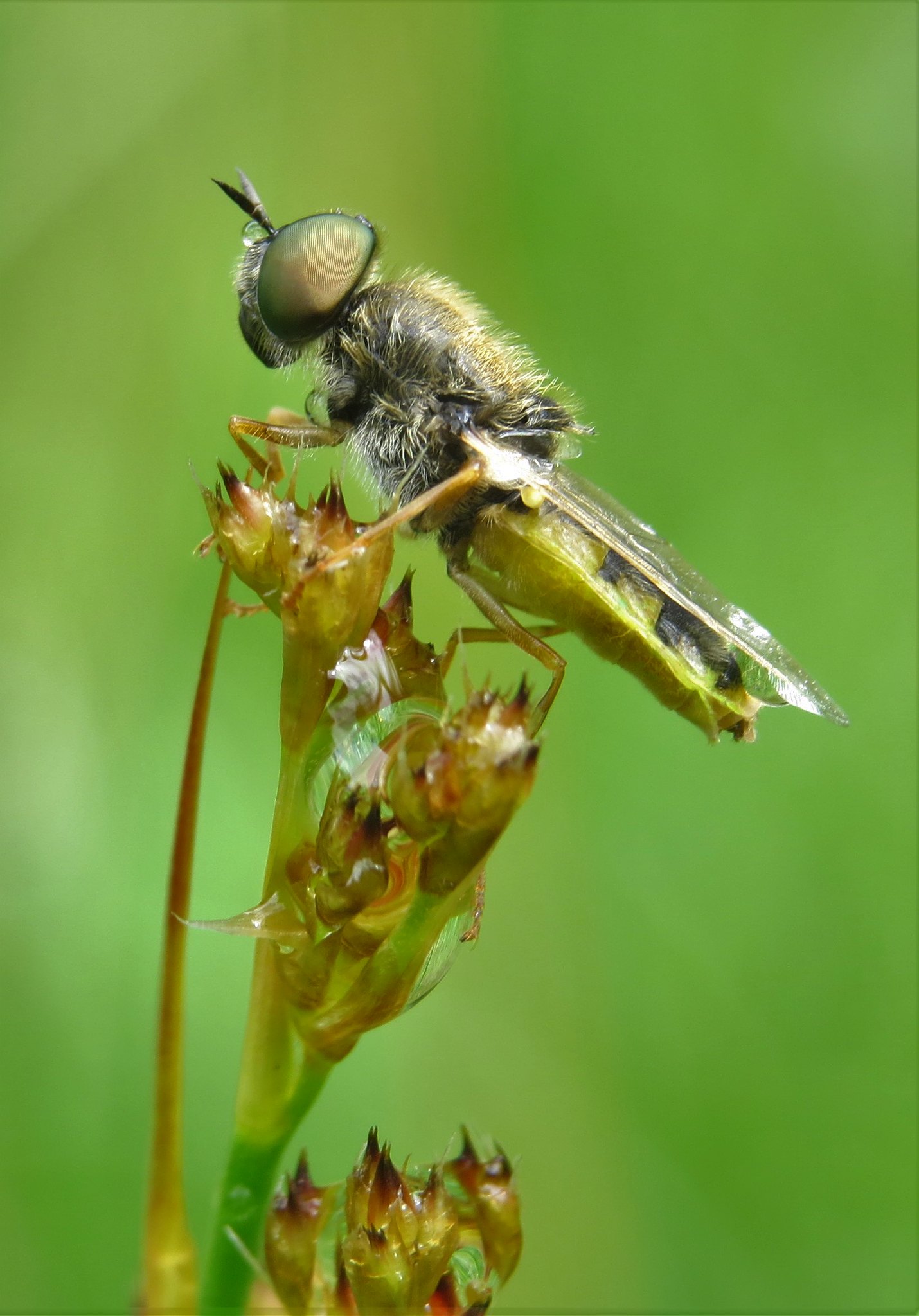
The Barred Green Colonel soldierfly is not just any insect; it is bright green and has become a symbol of the urgent need for conservation efforts in the UK. This species is classified as a Section 41 conservation priority, meaning it is among the most at-risk species that need immediate attention to prevent extinction. Its habitat is particularly unique, relying on calcareous springs and seepages that are increasingly rare due to environmental changes and habitat loss.
As populations of this soldierfly have declined, it has become essential to understand the specific conditions that support its survival. The Deep is playing a crucial role in this effort by monitoring water levels and quality at the Dalby Forest site, which is managed by Forestry England. This monitoring helps researchers gain insights into the habitat's ecology, which is vital for the soldierfly's future.
Collaborative Conservation Efforts
According to Cath Bashforth, Species Recovery Officer at Forestry England, the project involves close collaboration with species experts to create optimal conditions for the Barred Green Colonel soldierfly. The strategies include:
Cattle grazing
Scrub control
Rush cutting
These targeted management techniques are designed to foster the soldierfly's habitat and help secure its future in the UK.
Monitoring Progress
In 2026, the project has gained momentum, with dedicated members of The Deep’s team conducting weekly surveys to monitor the larvae of the species. The survey method is quite interesting; it involves pinning out grapefruit skins in the habitat to attract the larvae.
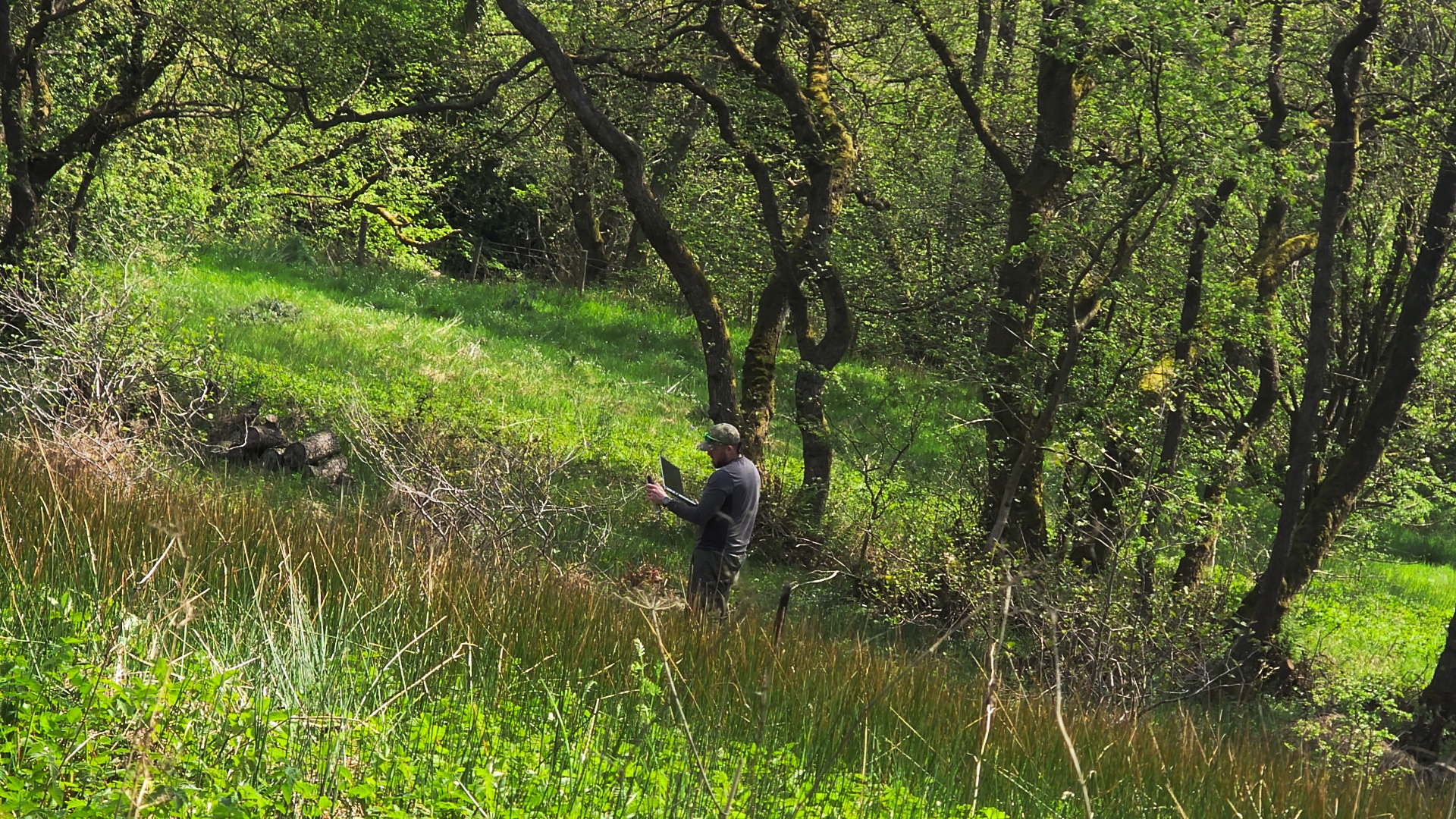
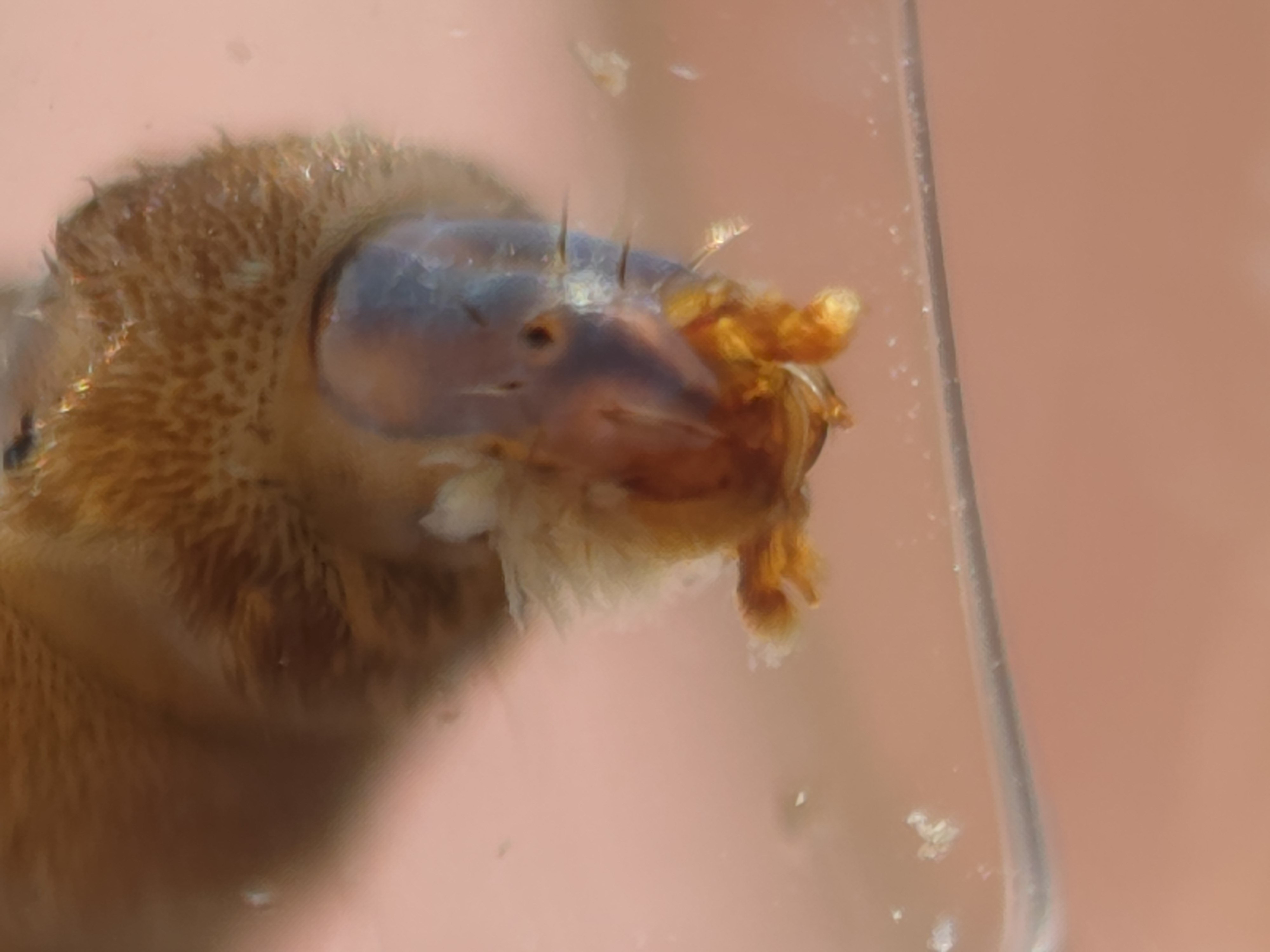
Every third week, the oldest skins are replaced, and each week, the team checks for larvae. Anything found is carefully identified and recorded using a hand lens, allowing researchers to build a better understanding of the soldierfly's life cycle.
Rob Bullock, Head of Conservation at The Deep, expressed enthusiasm for the project:
“Sometimes, the species most in need of our help are the ones we have never heard of. This project is a great example of conservationists coming together to help forge a brighter future for an underdog species. The success the project is already seeing is remarkable and a testament to the dedication of the teams involved.”
Exciting Developments
Recent findings from the surveys have been promising. Within the past month, multiple larvae have been spotted on the grapefruit skins, and even adult soldierflies have begun to emerge. This indicates that the conservation efforts are making a difference and that the larval surveys are effective. The team is now in a position to start drafting the first protocol for surveying the larvae of this species, a significant step towards ensuring its survival.
Phill Robinson, Senior Aquarist at The Deep, shared his excitement about the project:
“It has been amazing to be able to plan and carry out these surveys each week and not only see increasing numbers of the larvae, but also to be able to build up a picture of their microhabitat. This has helped us to start putting together valuable data to help give us a better understanding of the larval stage of this species, which is something that there is currently very little literature on.”
Future of the Project
With recent funding from Natural England’s Species Recovery Fund, further surveying work and conservation actions will continue throughout the remainder of 2026. The aim is to establish more effective conservation strategies, and there is potential for ex situ conservation work. This could involve rearing Barred Green Colonel soldierfly larvae for translocation to other suitable sites, expanding their habitat and increasing their chances of survival.
As the project progresses, it not only contributes to the recovery of one of Britain’s most threatened insects, but it also sets an example of how teamwork and dedication can lead to positive outcomes in conservation efforts. The work being done in Dalby Forest highlights the importance of protecting unique habitats and the species that depend on them, ensuring that future generations can appreciate the incredible biodiversity of Yorkshire and beyond.
