
Welcome to Yorkshire
Published on September 16th, 2026
•Butterfly Conservation has issued a warning that the effects of this summer's drought could mean tough times ahead for Britain's butterflies. With the Met Office declaring August 2026 as potentially the hottest month on record and more than 70% of England officially in drought, the organisation fears that the consequences may not be fully realised until next year. As the hot, dry conditions persist, many caterpillars are at risk of starvation due to the lack of food sources, raising concerns about the future of butterfly populations.
Good News for Butterflies This Summer
The results from the 2026 Big Butterfly Count show that it was a particularly good summer for many butterfly species. Over 101,000 participants recorded nearly 1.4 million butterflies and moths across the UK.
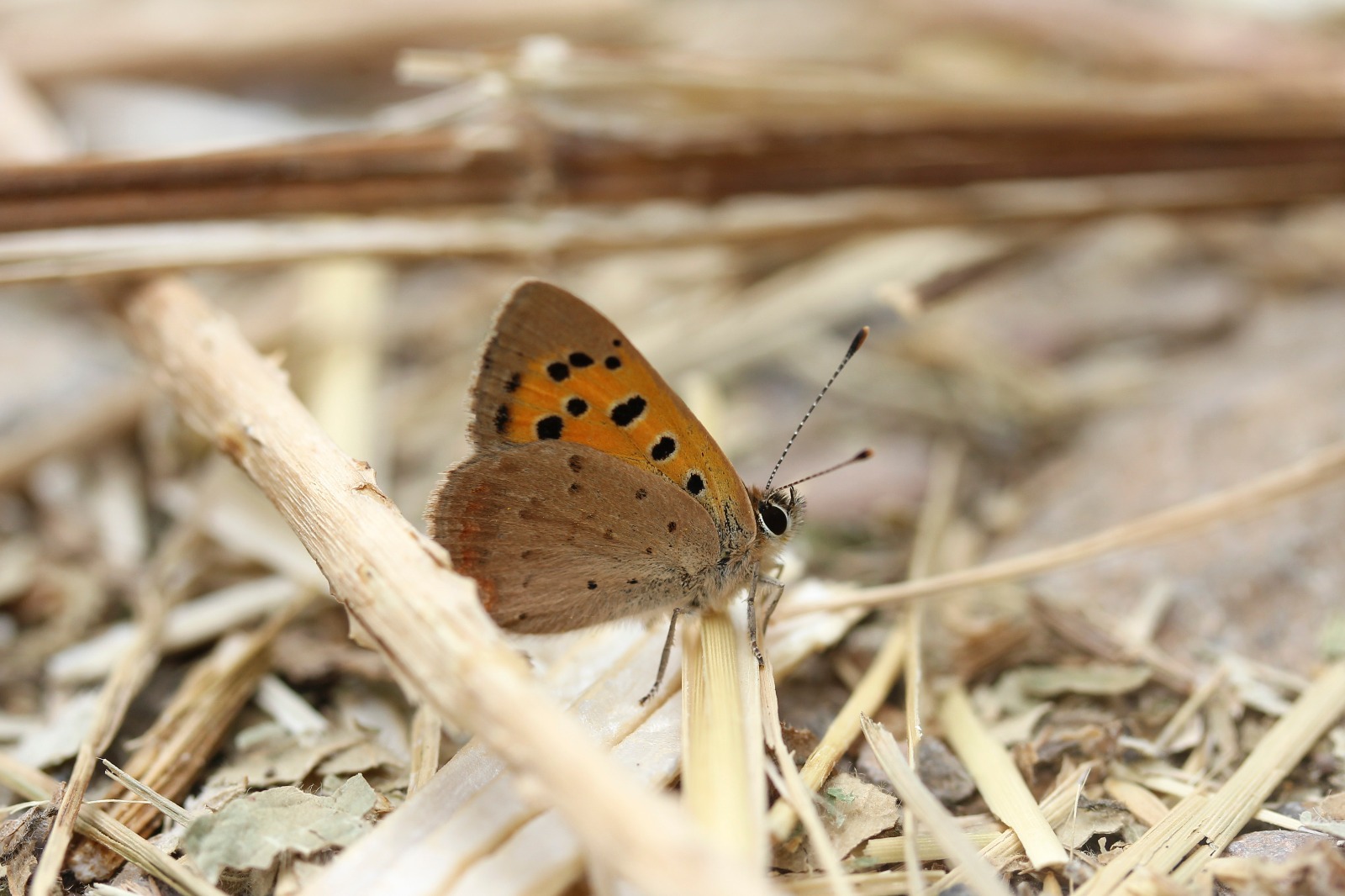
Some species thrived this year, including the Holly Blue and the Gatekeeper, which achieved their best-ever counts. The Small Copper also fared well, marking its third-best year since the count began. However, while many butterflies enjoyed a successful summer, experts caution that this does not guarantee a healthy population in the future.
Professor Richard Fox, Head of Science at Butterfly Conservation, remarked:
“Adult butterflies love hot, sunny weather for flying, feeding and breeding, and that’s exactly why people saw so many this summer. But a good summer for adult butterflies is not the same as a good summer for butterfly populations.”
The concern is that the favourable conditions for adult butterflies do not translate to the caterpillars, which are the next generation. The same hot, sunny weather that benefits adults can be detrimental to their young, as it can lead to a lack of food availability when they need it the most.
The Impact of Drought
The charity's fears are grounded in the realities of this summer’s extreme weather patterns. Many plants that caterpillars rely on for food have suffered due to the drought, with some wilting or dying before the caterpillars could finish feeding. This poses a significant threat to butterfly populations, as the survival of caterpillars is crucial for maintaining butterfly numbers in the coming years.
Professor Fox expressed deep concern about the long-term effects of the drought:
“Our real worry isn't this summer, it's what happens next. We’ve been here before and it’s not good; the extreme droughts in 1976 and 1995 had severe impacts on butterfly populations, with some species never fully recovering.”
This historical perspective highlights the vulnerability of butterfly populations, especially when many species have already seen substantial declines since the 1970s.
Butterfly Winners and Losers
Despite the challenges, the Big Butterfly Count revealed a mix of winners and losers among butterfly species.
Winners:
Holly Blue: Increased by 42% over the 16 years of the count.
Gatekeeper: Best-ever results recorded.
Small Copper: Increased by 93%.
Losers:
Small Tortoiseshell: Second-worst year recorded, down 66% since the count began.
Speckled Wood, Green-veined White, and Ringlet: All seen in below-average numbers, with declines of 44%, 54%, and 39% respectively since 2011.
One particularly remarkable story was that of the Painted Lady, which saw a staggering increase of 335% from last year, making it one of the best years for this species since the count started. The Painted Lady's remarkable migration journey, which involves flying from Africa across the Sahara Desert and Mediterranean Sea to reach the UK, continues to captivate butterfly enthusiasts.
Potential population crash
As the charity looks to the future, the potential for a population crash looms large. The hot, dry summer of 2026 may lead to significant declines in butterfly numbers by 2027. The concern is that with increasingly frequent hot and dry summers predicted due to climate change, many butterfly species may face extinction if conditions do not improve.
Professor Fox warns:
“With increasingly hot, dry summers and droughts predicted to become more and more frequent due to climate breakdown, degraded habitats and already depleted butterfly populations, some species may be pushed further and faster towards extinction.”
The reality is that many butterfly species are already struggling to survive, and these extreme weather events could tip the balance.
How to Help Butterflies
To combat the negative impacts of drought, Butterfly Conservation is encouraging everyone to take action in their gardens this winter. Here are three simple tips to help ‘drought-proof’ gardens and support butterfly populations:
Plant More Trees and Shrubs: - Consider planting species like Holly, Ivy, and Buckthorn, which provide vital food sources for caterpillars and adult butterflies alike. These plants are also low-maintenance and can withstand dry conditions once established.
Set Up Water Butts: - Collecting rainwater can provide a much-needed water source for butterflies and other wildlife during dry spells. This simple action can make a significant difference for garden ecosystems.
Create Diverse Habitats: - Encourage a variety of plants in gardens to provide shelter and food for different butterfly species. This diversity can help maintain healthy populations, even during challenging weather conditions.
By taking these small steps, everyone can contribute to the survival of butterflies in the UK, ensuring that future generations can enjoy their beauty and ecological importance.