
Welcome to Yorkshire
Inspiration • August 25th, 2026
|Recent surveys have revealed some exciting news for the Atlantic salmon populations in the Ribble catchment as early results indicate a promising recovery for this iconic species. As of 25 August 2026, the Ribble Rivers Trust has reported record catches of young salmon, suggesting that their ongoing river restoration efforts are beginning to bear fruit.
Encouraging Signs for Salmon
The results from the surveys conducted by the Ribble Rivers Trust show a significant improvement in the numbers of juvenile salmon in the region. For instance, at one survey site, over 100 young Atlantic salmon were counted in just a few minutes. Additionally, another site that had not seen a salmon in more than a decade has now recorded its first catch, raising hopes that salmon populations might be on the path to recovery in certain areas of the catchment.
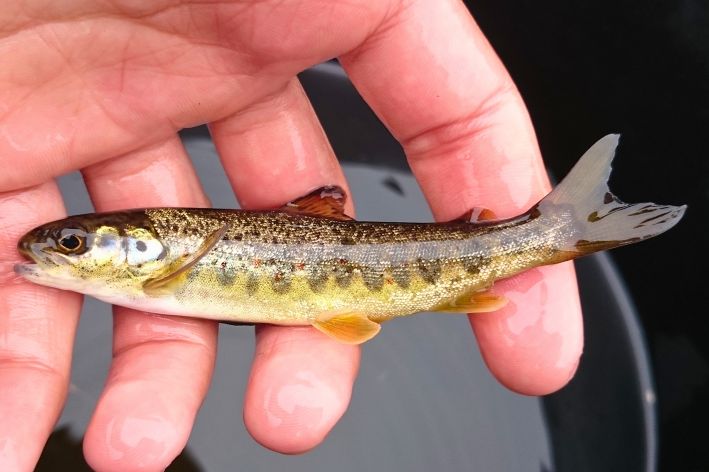 Atlantic salmon fry c/o Ribble Rivers Trust
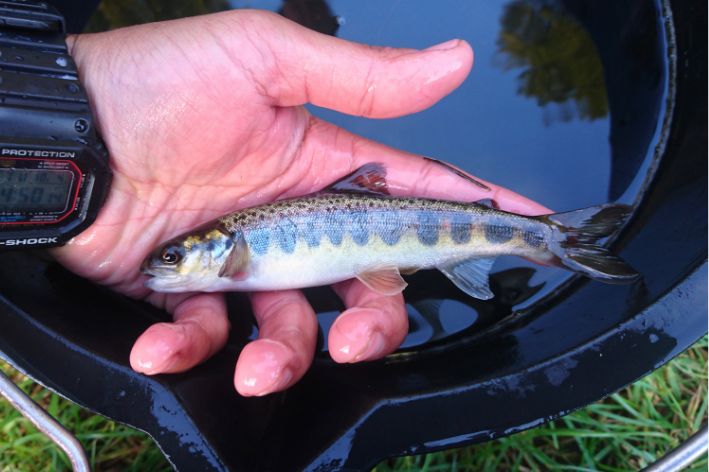 Atlantic salmon parr c/o Ribble Rivers Trust
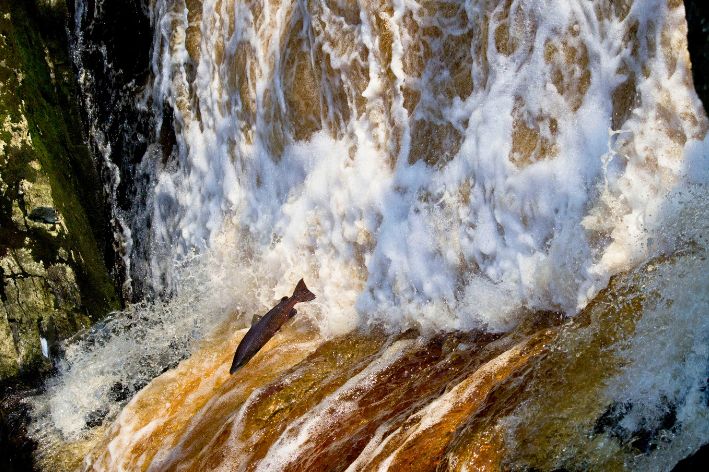 Stainforth Atlantic salmon migration c/o Ribble Rivers Trust
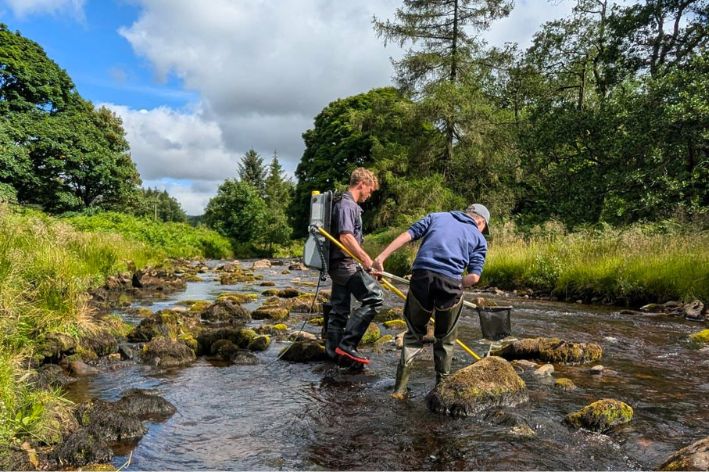 Electrofishing on the River Dunsop c/o Ribble Rivers Trust
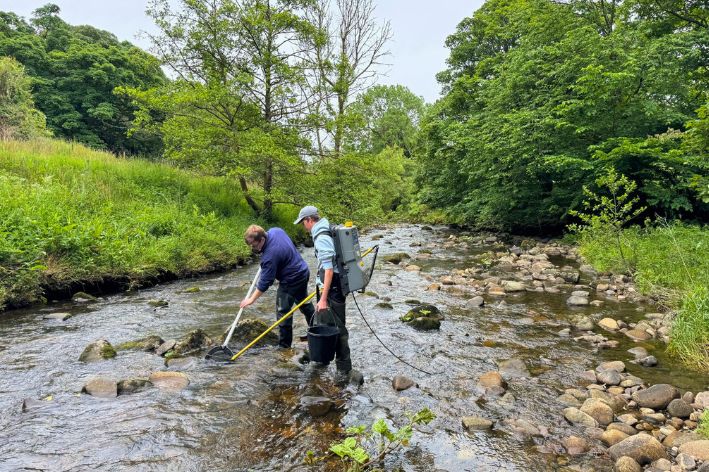 Electrofishing on the River Calder c/o Ribble Rivers Trust
Adam Wheeler, the Fisheries Officer at Ribble Rivers Trust, expressed optimism about these findings:
“This year’s surveys give us real hope for the future. It’s a cracking bit of news and a reminder that, when rivers are given the help they need to recover, fish quickly respond.”
This response from the fish indicates that the restoration work is making a real difference.
Long-Term Restoration Efforts
For the last 25 years, the Ribble Rivers Trust has been dedicated to improving the health of rivers for fish and other freshwater wildlife. Their efforts have included:
Removing barriers that prevent fish migration.
Opening up culverted watercourses to restore natural flow.
Reconnecting rivers to their natural floodplains.
Creating riverside woodlands that provide habitat and shelter.
Restoring vital spawning and nursery habitats essential for fish reproduction.
Jack Spees, the CEO of Ribble Rivers Trust, remarked:
“For 25 years, Ribble Rivers Trust has worked to improve our rivers for fish and other freshwater life. While there is still a huge amount of work to do, these early results suggest that targeted, science-led river restoration is paying off.”
Recent projects, such as the large-scale habitat restoration work at Langden Brook, have introduced new spawning gravels to enhance conditions for salmon and trout. This work is crucial because it aims to restore the natural processes that fish depend on throughout their life cycle.
The Importance of Salmon
Atlantic salmon are often considered an indicator species, meaning their health reflects the overall condition of the river ecosystem. Healthy salmon populations typically indicate clean water, connected rivers, and high-quality habitats. When salmon thrive, it benefits many other species as well, contributing to a richer biodiversity in the area.
Charlotte Ireland Pope, the Fundraising and Publicity Officer at Ribble Rivers Trust, highlighted the significance of practical conservation efforts:
"Projects like the gravel restoration work at Langden Brook show that practical, on-the-ground conservation can achieve real results. When combined with our education work in schools and our engagement with communities across the catchment, we're helping to create rivers that are healthy enough to support abundant wildlife while inspiring people to care about these special places as much as we do."
Ongoing Surveys and Future Prospects
Survey work conducted by the Ribble Rivers Trust will continue until late September, just before adult salmon embark on their famous autumn migration upstream to their spawning grounds. This migration is vital as it allows the salmon to lay the foundations for the next generation, ensuring the continuity of the species in the Ribble catchment. The full results from the ongoing surveys will be analysed in the coming months and are expected to be published early next year. If the positive trends observed so far continue, 2026 could turn out to be a landmark year for Atlantic salmon in the Ribble catchment.
Understanding Electrofishing
One of the methods used for surveying fish populations is known as electrofishing. This technique involves the controlled use of electricity to temporarily stun fish, allowing them to be safely captured, examined, and released. A team member wears a special backpack that delivers a high voltage charge into the water using two electrodes. This process causes a minor muscle spasm in the fish, making them swim toward the pole-mounted anode, where they are then caught with a net. Each captured fish is identified, measured, and recorded, contributing to one of the largest datasets of its kind in the country. Such thorough monitoring is vital for understanding the health of fish populations in the Ribble catchment.
The Ribble Catchment
The Ribble catchment is a diverse area that encompasses the River Ribble and its major tributaries: the Hodder, Calder, Darwen, and Douglas. This region features a variety of landscapes, from the picturesque hills of the Yorkshire Dales to the bustling urban areas of Lancashire, including Blackburn, Burnley, and Preston. The work of the Ribble Rivers Trust is integral to maintaining the health of these rivers and ensuring that they support not only salmon but also a wide array of wildlife. By focusing on water quality, habitat health, and connectivity, the Trust is helping to create a thriving ecosystem that benefits everyone in the region.


