
Welcome to Yorkshire
History • February 28th, 2026
|On the high moorland of the Cleveland Hills on the highest point of Cringle Moor (or Cranimoor) stands a weathered mound of stone known as Drake Howe Cairn. At first glance it appears modest: a low, grass-topped swelling of earth and rock, easily mistaken for a natural rise. Yet this 100-foot cairn is one of the most ancient human statements on the hills, a monument raised thousands of years ago.
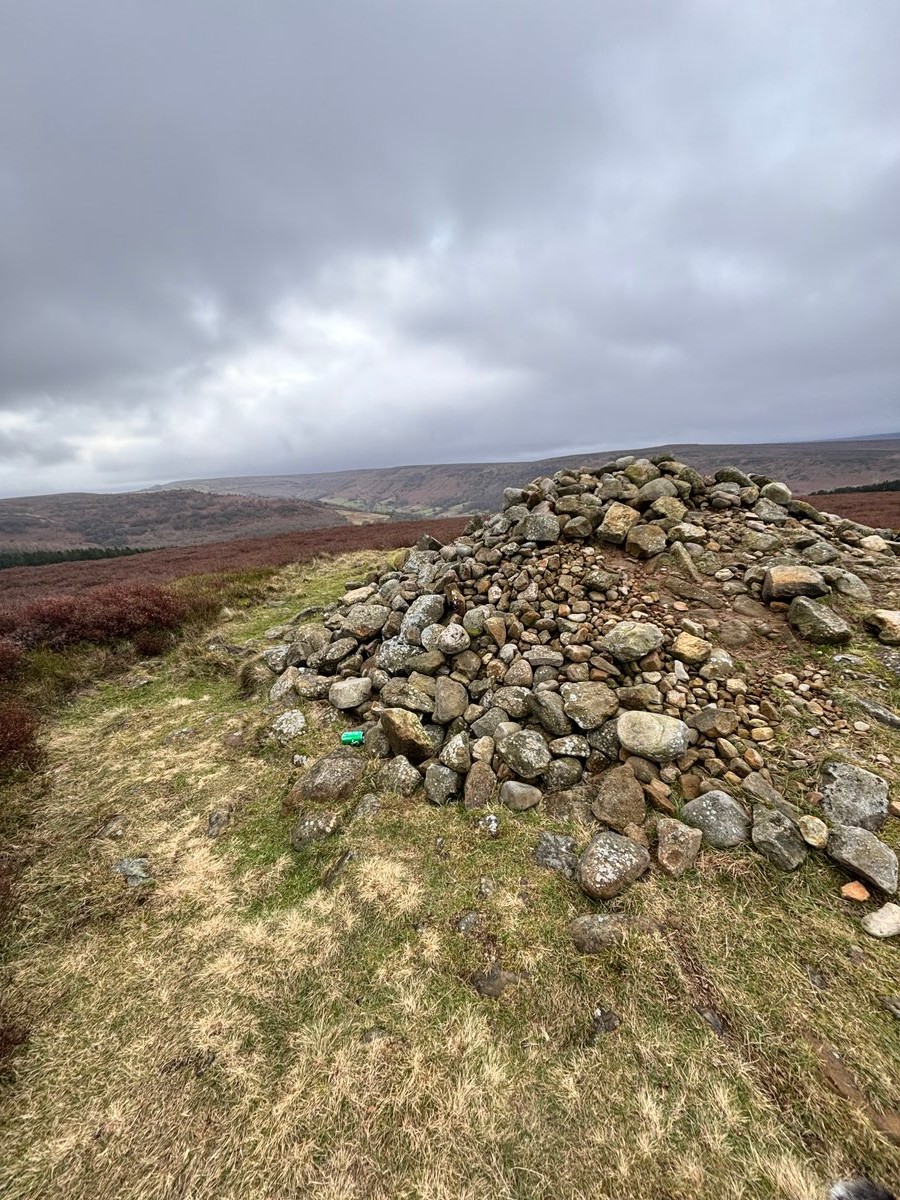
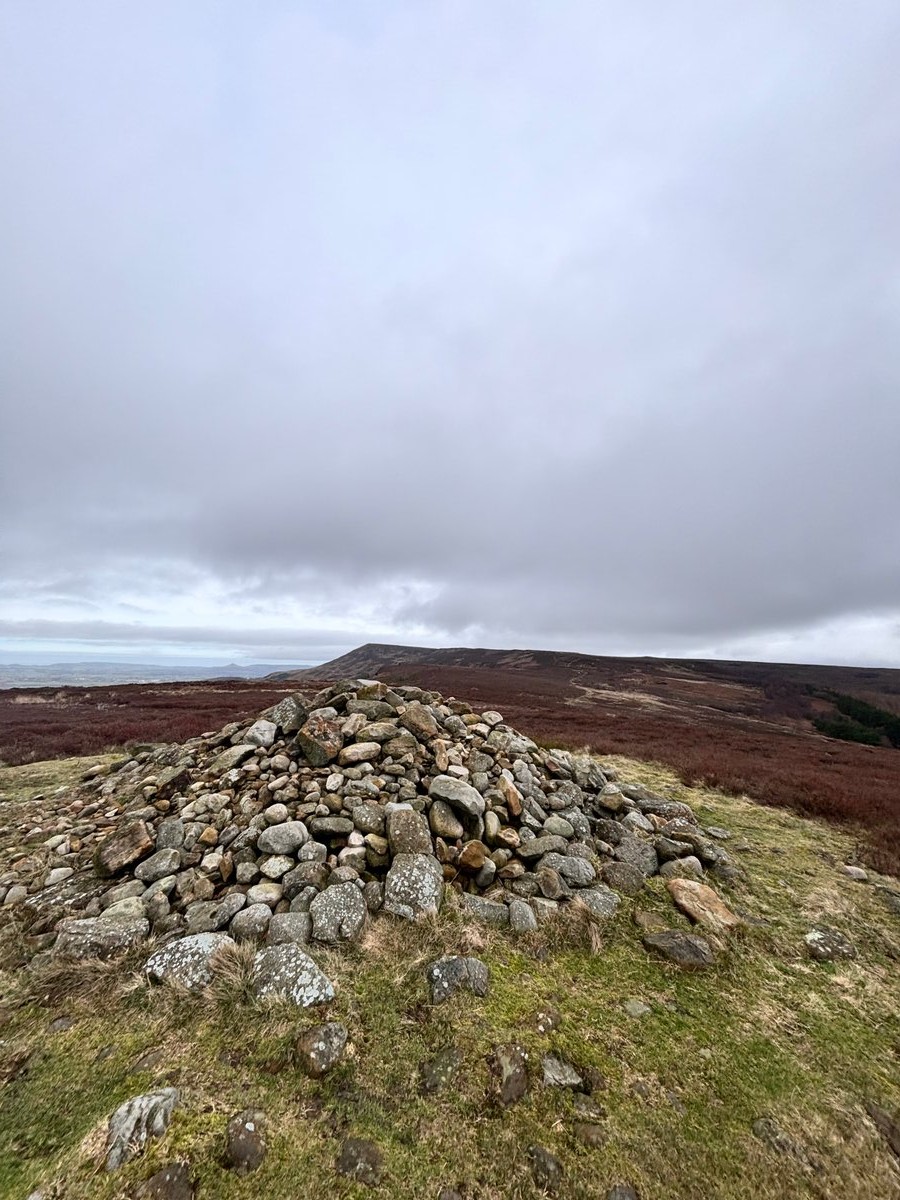
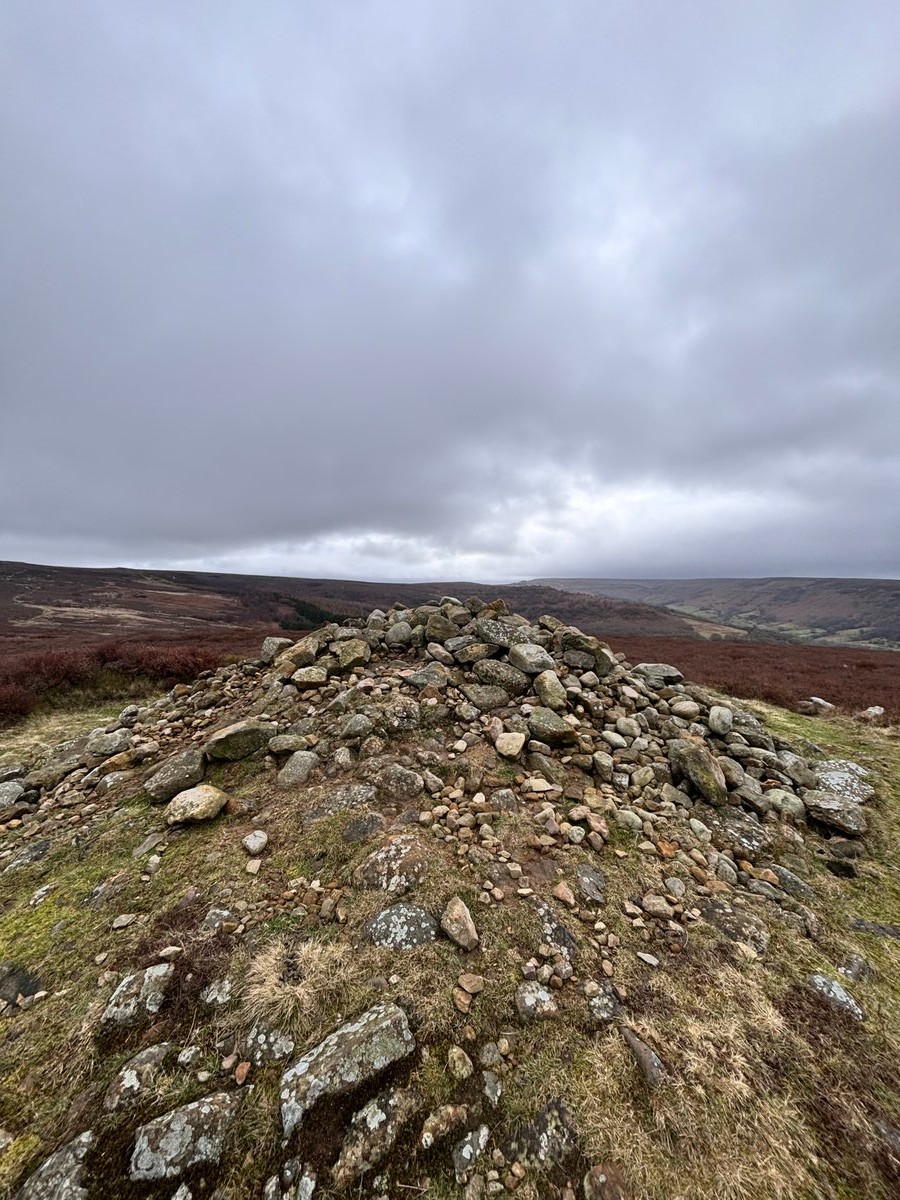
Drake Howe Cairn dates to the Bronze Age, likely around 2000 BC. The word “howe” comes from Old Norse, meaning a burial mound, or the Norse for “draukr” meaning a spectre. Archaeological investigations in the 19th century revealed that beneath its stony covering lay a burial chamber and, on the 1926 Duncombe Park estate map, it is thus identified as “Odin’s Grave”. Cremated remains, fragments of pottery, and worked flint suggested that this was not a casual interment but a deliberate and ceremonial act. The cairn’s builders chose a prominent ridge, ensuring that the mound would be visible from far across the surrounding valleys.
The cairn would have marked not only a burial place but a claim to territory and ancestry. From its summit, the land unfolds in sweeping contours, and it is easy to see why Bronze Age families might have selected this place to anchor their dead to the living landscape.
Over the centuries, the cairn has endured wind, grazing animals, and human curiosity. Antiquarians in the Victorian era opened parts of the mound in search of relics. Today, walkers who follow the paths across the Cleveland Hills can pause at Drake Howe. There are no dramatic ruins—just a quiet rise in the heather.
Books by Dr Emma Wells #ad
Emma Wells
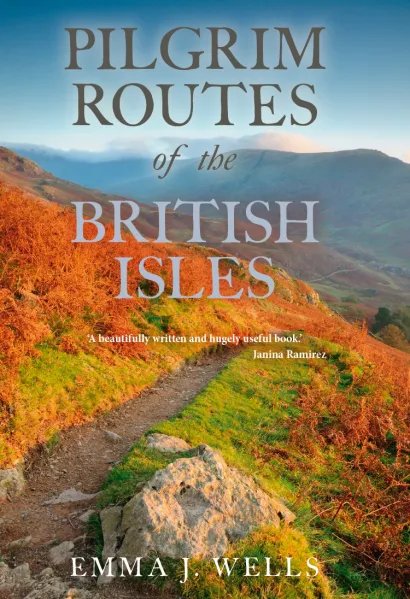
Dr Emma Wells has appeared as a historian on Yesterday, Curiosity Stream, Viral History, From the Dales to the Sea – A Great British Story, and as a ‘Don’ on BBC Radio 4’s The 3rd Degree and much more. Her first book, Pilgrim Routes of the British Isles, was released in 2016, and her most recent book Heaven On Earth: The Lives & Legacies of the World’s Greatest Cathedrals, was published in 2022.
View all articles →


