
Welcome to Yorkshire
History • March 19th, 2026
|Near the village of Brough with St Giles, a few miles from the market town of Richmond in North Yorkshire, Brough Park forms the landscaped setting of the historic Brough Hall. The parkland and house together illustrate the gradual transformation of a fortified medieval residence into a refined country estate embedded within a designed landscape.
The origins of the estate lie in the 15th century, when the De Burgh family constructed Brough Hall as a tower house. This type of building, common in the north of England and the Scottish borders, combined domestic accommodation with defensive features. The central tower at Brough Hall survives as the core of the present building, rising three storeys and forming the structural heart around which later additions developed.
Ownership passed to the Lawson family in 1575, marking the beginning of major alterations that reshaped the house from a defensive dwelling into a more comfortable country residence. During the late 16th century, wings were added to the tower house, enlarging the building and introducing a more symmetrical domestic layout. Further modifications followed in the early 17th century and again in the 18th century, when the exterior acquired much of the character it retains today.
Architecturally, Brough Hall is built primarily of rubble sandstone, with parts of the structure rendered and roofs of Westmorland slate. The surrounding landscape developed alongside these architectural changes. By the post-medieval period, the estate had become an ornamental park, shaped by streams, stone bridges and open lawns. The parkland was designed to complement the house, providing long views across grassland dotted with mature trees. One notable feature is the sandstone bridge carrying the drive across a small stream in front of the hall, built around 1790 for Sir John Lawson by the Richmond builder John Foss. With its single arch and balustraded parapet, the bridge forms part of the ceremonial approach to the house.
Within the park also stands St Paulinus’ Church, originally linked to the hall. A Catholic chapel was established here in the 18th century, and in 1837 it was replaced by a larger church designed by the architect Ignatius Bonomi. The grisaille glass in the East window by Willimont is a replication of Five Sisters Window at York Minster.
Today Brough Park remains a quiet historic landscape, where medieval foundations, Georgian park design and later architectural additions combine to tell the story of a northern English country estate evolving across five centuries—and even a former MP!
Books by Dr Emma Wells #ad
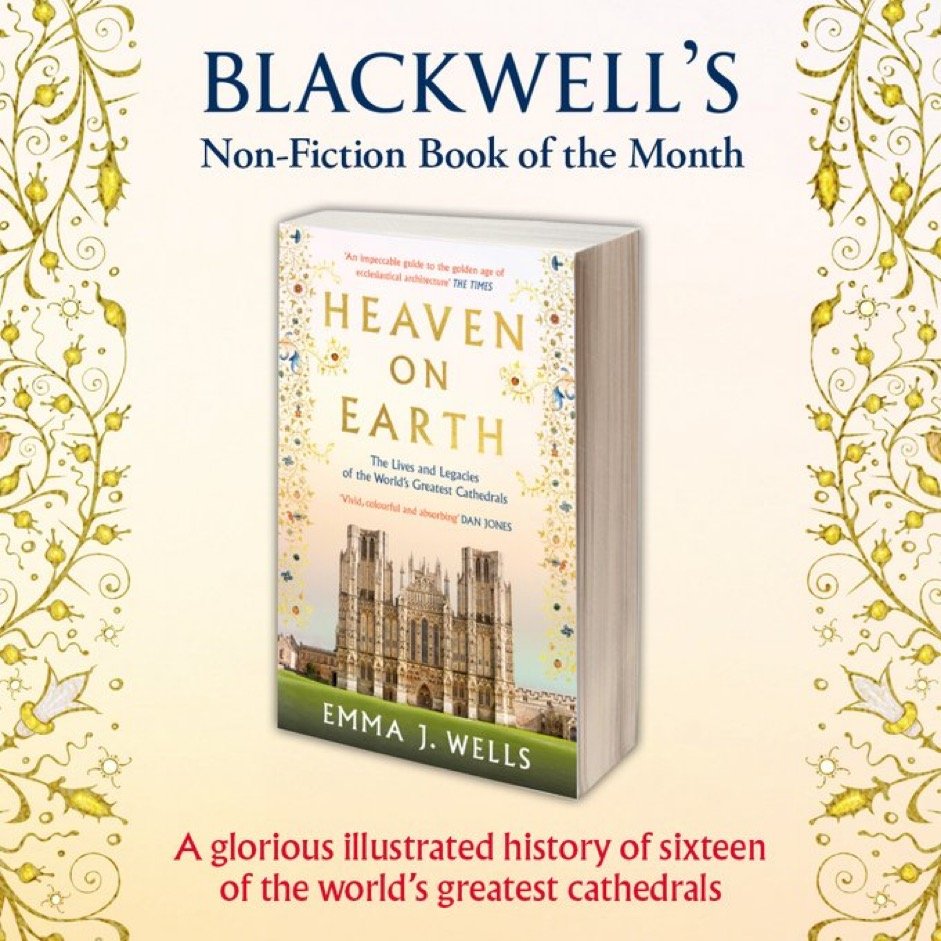
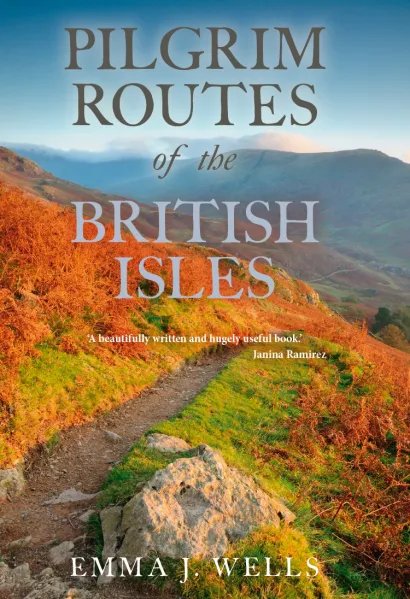
Emma Wells
Dr Emma Wells has appeared as a historian on Yesterday, Curiosity Stream, Viral History, From the Dales to the Sea – A Great British Story, and as a ‘Don’ on BBC Radio 4’s The 3rd Degree and much more. Her first book, Pilgrim Routes of the British Isles, was released in 2016, and her most recent book Heaven On Earth: The Lives & Legacies of the World’s Greatest Cathedrals, was published in 2022.
View all articles →


