
Welcome to Yorkshire
History • February 28th, 2026
|Eshton Hall stands poised above the quiet village of Eshton on the way to Malham, its robust stone silhouette a testament to centuries of English country house evolution. Though today it has experienced new life as converted apartments, the building’s roots stretch back centuries.
Documentary evidence suggests a hall may have stood on this site as early as the 12th century. Over time, successive owners altered and rebuilt; a significant structure was destroyed by fire in the late 1500s, and a successor with an impressive tower rose in its place in the early 17th century.
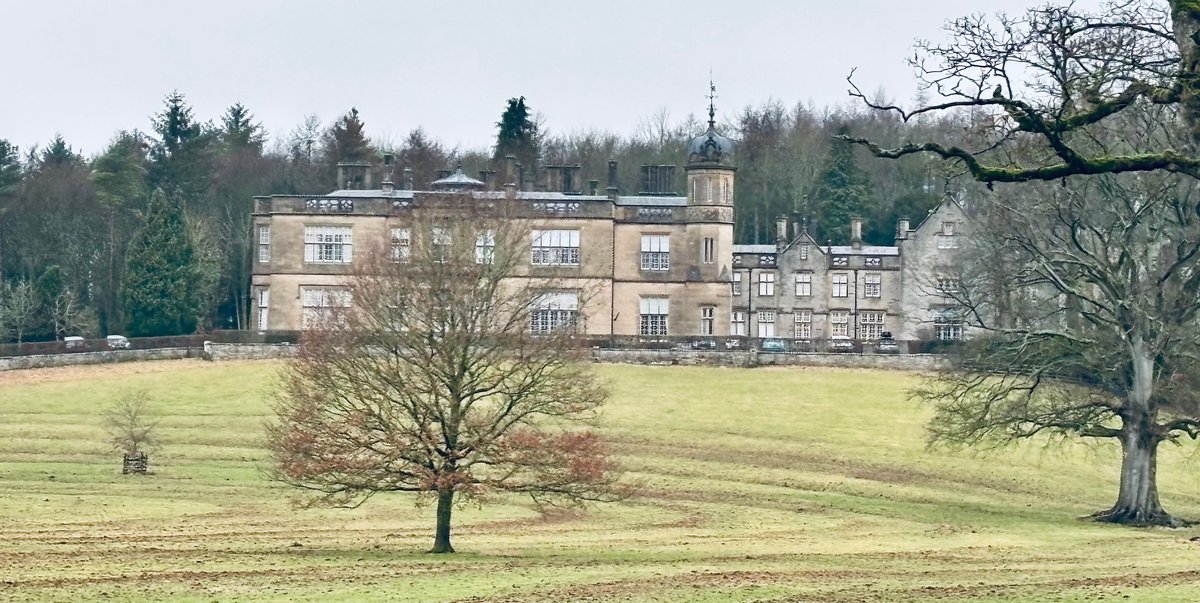
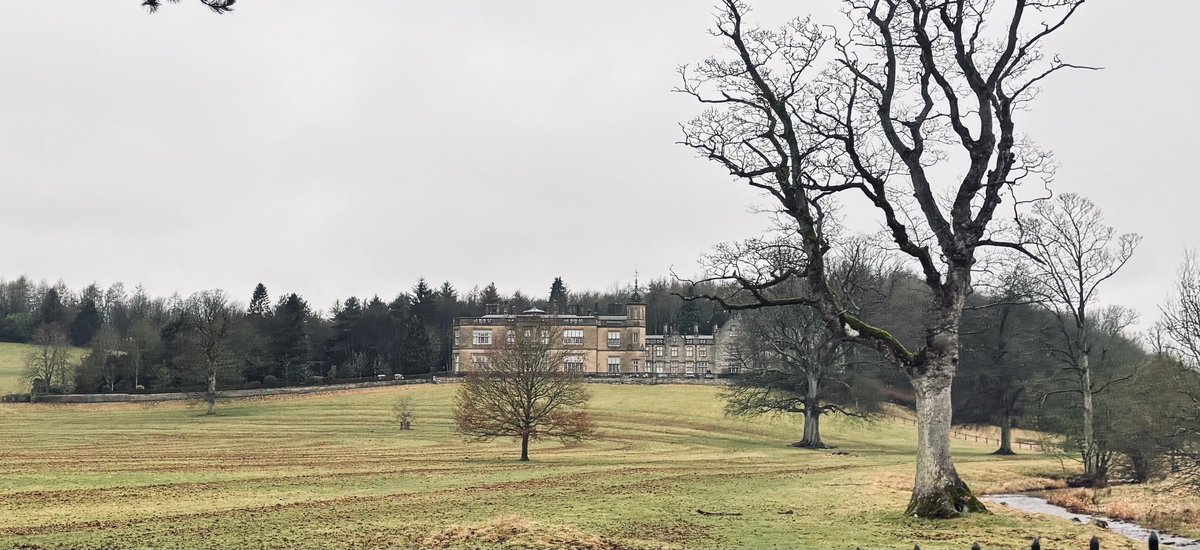
The Eshton we recognise today, however, dates from 1825–1827, when Matthew Wilson, a cloth merchant and Member of Parliament, commissioned the architect George Webster of Kendal to remodel the existing house. At the time, the old Georgian Palladian mansion was plain in appearance. Webster transformed it in a bold, Elizabethan Revival style. Eshton Hall is considered one of the earliest fully realised works in this style nationally.
Built of local stone with slate roofs, the principal block is symmetrical yet dynamic: five bays wide, with outer bays subtly projecting and a two-storey porch adorned with Doric antae and ornamental cresting. Windows are mullioned and transomed, blending traditional forms with the era’s innovations. To the east, an octagonal turret rises through three stages, crowned by a scalloped parapet, a lead ogee cupola and a dated, initialled weathervane, features that give the house a distinctive silhouette and character.
Webster also laid out pleasure grounds and parkland along Eshton Beck, with designed views intended to enhance both the house and its rural setting. The estate’s gated approach—complete with stone piers and iron railings—reflects the early 19th-century emphasis on classical entrances and landscaped arrival sequences for grand homes.
Come the 20th century, Eshton Hall adapted to new uses: serving first as school premises during both World Wars and later a nursing home. In the early 2000s, it was sensitively converted into luxury apartments, retaining many historic features like the grand staircase and library space.
Address: Eshton Hall, Eshton Road, Gargrave, Skipton BD23 3QQ
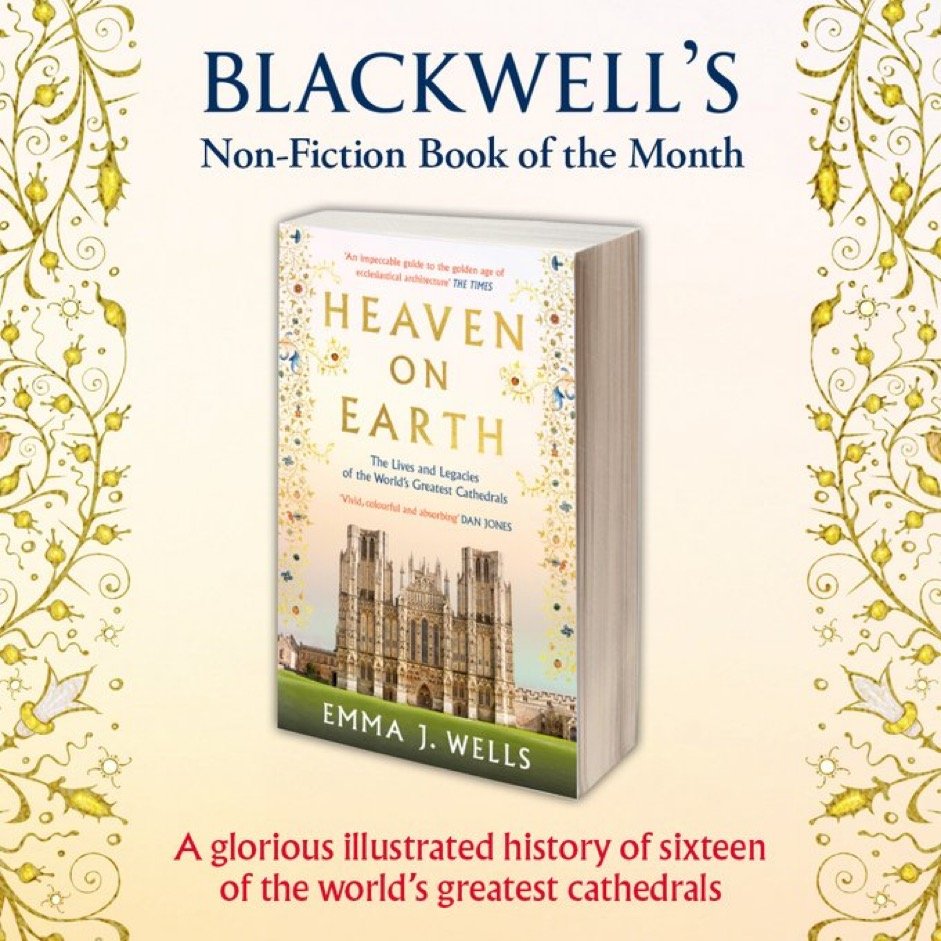
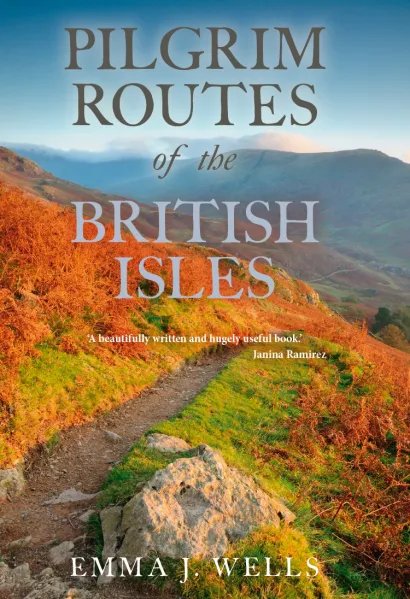
Books by Dr Emma Wells #ad
Emma Wells
Dr Emma Wells has appeared as a historian on Yesterday, Curiosity Stream, Viral History, From the Dales to the Sea – A Great British Story, and as a ‘Don’ on BBC Radio 4’s The 3rd Degree and much more. Her first book, Pilgrim Routes of the British Isles, was released in 2016, and her most recent book Heaven On Earth: The Lives & Legacies of the World’s Greatest Cathedrals, was published in 2022.
View all articles →