
Yorkshire Team
Inspiration • February 6th, 2026
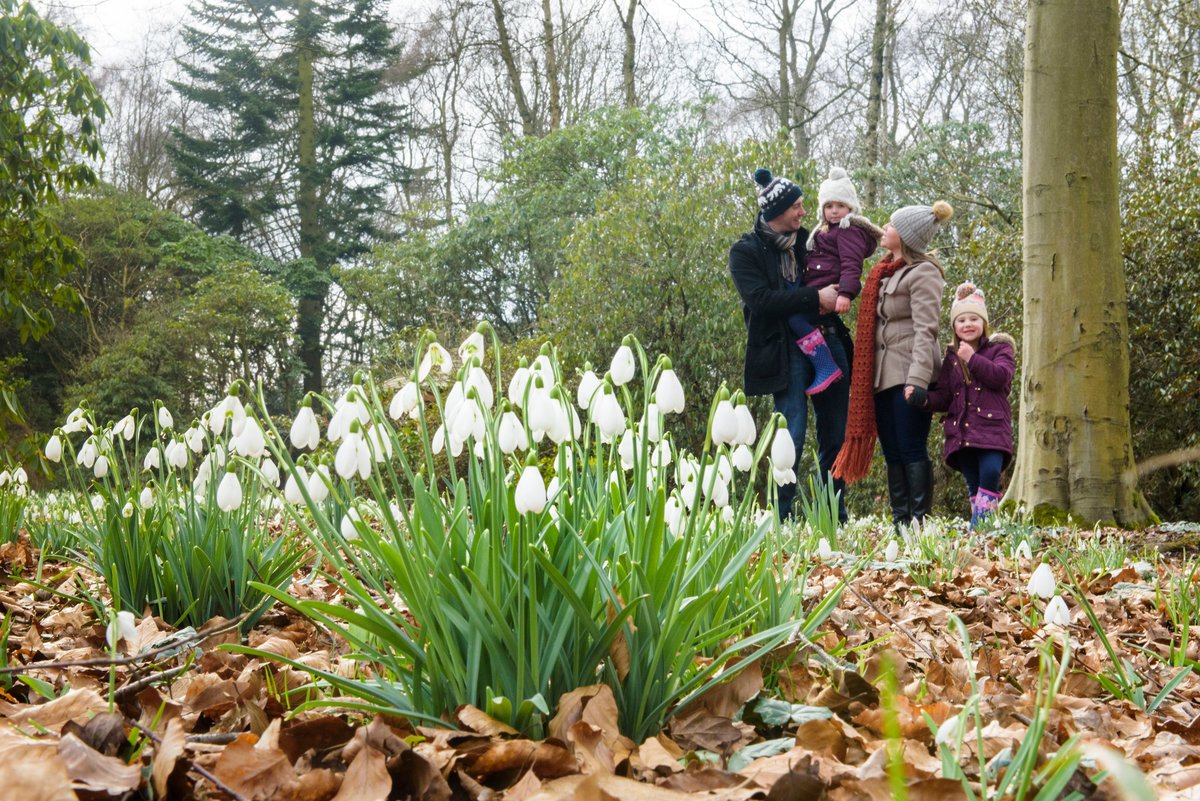
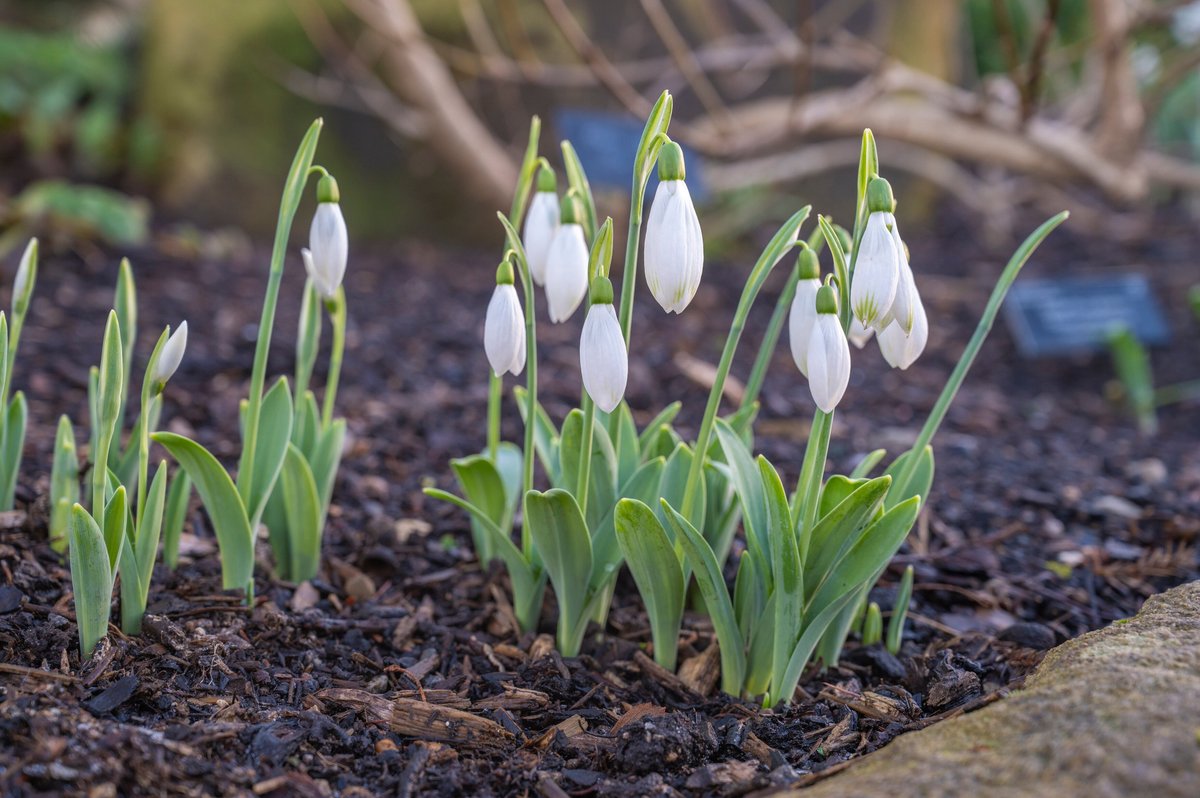
|Just when the winter blues start to really set in, tiny white flowers begin pushing their way through the cold ground, a sure sign that spring isn't too far off. But it turns out there’s a lot more to these little flowers than meets the eye. The Royal Horticultural Society (RHS) is shining a spotlight on the miniature world of alpine plants, and right now at RHS Harlow Carr in North Yorkshire, the humble snowdrop is the star of the show. The garden is currently home to its biggest ever collection of snowdrops displayed under glass, thanks to a special gift and some clever, old-school gardening tricks.
Take the plunge into alpine gardening
So, what exactly is an alpine plant? Think of them as the superheroes of the plant world. They’re the tough little flowers and plants that manage to survive and even thrive high up on mountains in some of the most extreme weather. And because their natural home is so specific, gardeners have to be pretty smart to help them flourish in a garden in Harrogate. That’s where a technique called ‘plunging’ comes in. It sounds a bit dramatic, but it’s a brilliant method that dates all the way back to Victorian times.
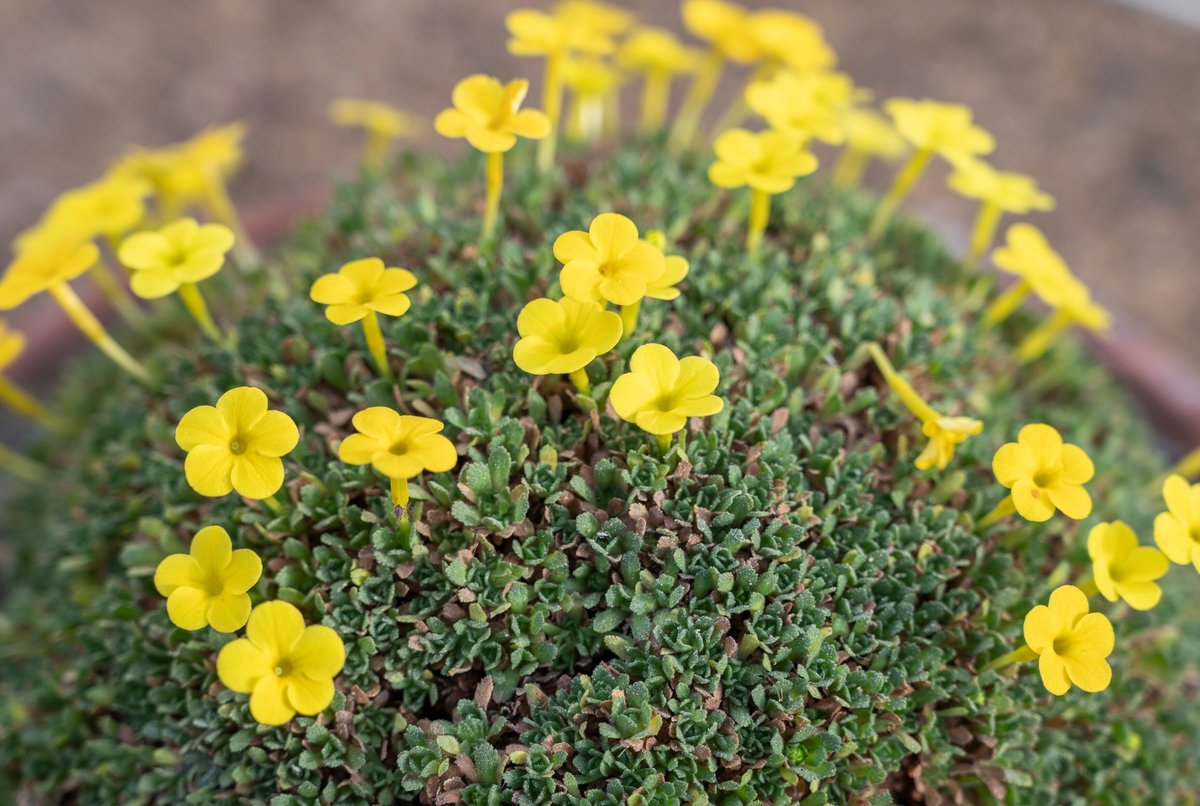
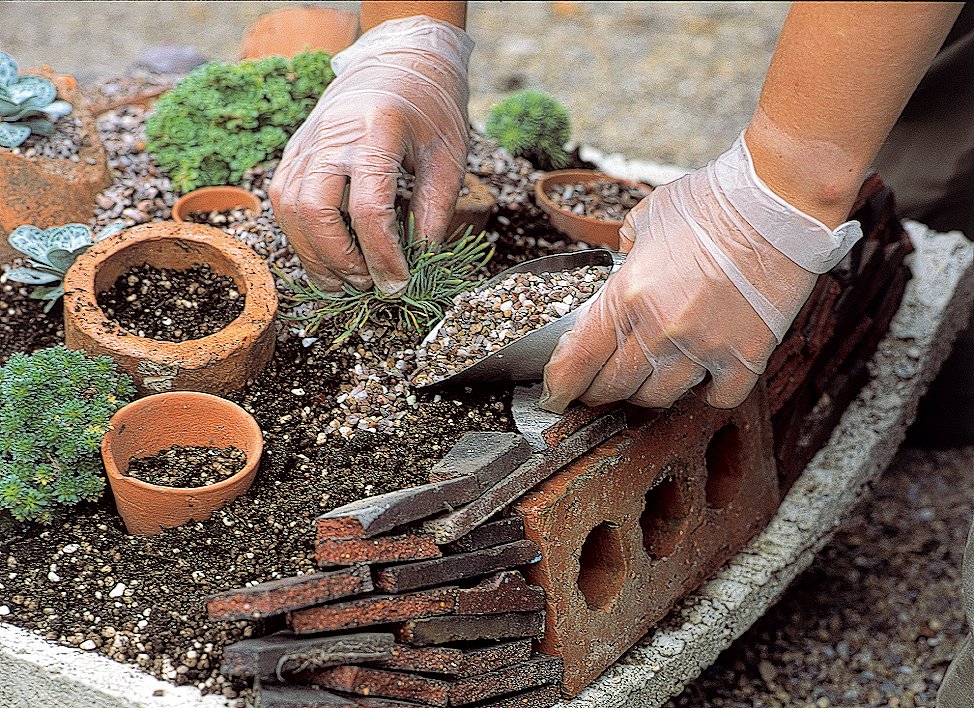
Plunging is essentially giving these special plants a cosy bed that mimics their mountain home. The horticultural teams at places like RHS Harlow Carr and RHS Wisley take the potted alpine plants and sink them right up to their rims in a big bed of sand. It might sound simple, but it’s a game-changer. The sand provides fantastic drainage, so their roots don't get waterlogged, protects the delicate roots from getting too hot or too cold, and keeps the moisture level just right. It's the perfect way to create the gritty, well-drained conditions these high-altitude specialists need. And it's not a quick process; growing a snowdrop from a seed to a flowering plant can take up to six years, which makes seeing a whole display of them even more special.
A river of snowdrops at Harlow Carr
The centrepiece of the new display at RHS Garden Harlow Carr is something truly spectacular: a ‘river of snowdrops’. This incredible feature has been made possible by a collection of plants bequeathed to the garden by a Yorkshireman named John Gibson. He was a well-known grower and a respected show judge with a huge passion for snowdrops, especially in his later years. His generous gift has massively boosted the garden's collection, which now boasts well over 100 different varieties of snowdrop, known scientifically as Galanthus.
And these aren't just any old snowdrops. The display features some real showstoppers. Visitors can get up close with varieties like:
Galanthus elwesii ‘El Bandito’: A striking and unusual variety.
Galanthus ‘Diggory’: Known for its big, puffed-out, lantern-like shape and a lovely puckered texture.
‘Fly Fishing’: A very cool variety where the flower seems to hover in the air, a bit like a fishing fly on the end of a line.
With more than 2,500 cultivated types of snowdrop out there, this display is a fantastic chance to see just how different they can be in height, shape, and even colour. It’s a proper invitation to take a second look at a flower many people think they already know.
More than just pretty flowers
The team behind this beautiful display is made up of alpine horticultural specialists like Lauren Fear and Amy Smethurst. They’ve been working with local growers and groups, including the West Yorkshire Alpine Society, to bring it all together. Their passion for these tiny plants is infectious. Lauren Fear explained,
“Many people don’t realise that familiar garden plants like crocuses and snowdrops are grown as alpines. Alpine gardening dates back to the Victorians, but much of the specialist knowledge now sits with older generations, so it feels important to help pass it on.”
“The ‘river of snowdrops’ has transformed our collection and shows just how varied and beautiful these plants can be.”
It's clear this project is about preserving knowledge as well as plants.
Amy Smethurst also pointed out how an alpine house makes these mountain plants accessible to everyone.
“While true alpine plants grow naturally on high mountains, alpine houses allow us to create displays with year-round appeal. By plunging the displays, visitors can get close to these delicate plants, while raised planting and level pathways ensure the displays are fully accessible for wheelchair users and pushchairs.”
“Alpines require us to take time, slow down, and look closely to fully appreciate. Their bright colours and small scale make them very photogenic and perfectly suited to modern, smaller gardens. It would be wonderful to see a real resurgence.”
When and where to see these winter wonders
If this has sparked a bit of interest, now is the perfect time to go and see them. The alpine display will be looking its best from February through to April. The snowdrops, or Galanthus, are the main attraction in February, before they gently fade away around the beginning of March. The Royal Horticultural Society hopes the timing, which lines up with the Winter Olympics (6–22 February), will inspire more people to discover these tiny champions of the plant world.
While the biggest new snowdrop collection is at RHS Harlow Carr, tens of thousands of snowdrops are flowering across the garden. And they are also popping up in abundance across all five RHS gardens, including Wisley in Surrey, Hyde Hall in Essex, Bridgewater in Salford, and Rosemoor in Devon. It’s a wonderful way to get out and enjoy the last weeks of winter. Some of the most treasured and valuable snowdrops from the John Gibson bequest are being kept safe for now, with plans to show them off in a bespoke secure cabinet in the future.
Yorkshire Team
The Yorkshire.com editorial team is made up of local writers, content creators, and tourism specialists who are passionate about showcasing the very best of God’s Own Country. With deep roots in Yorkshire’s communities, culture, food scene, landscapes, and visitor economy, the team works closely with local businesses, venues, and organisations to bring readers the latest news, events, travel inspiration, and insider guides from across the region. From hidden gems to headline festivals, Yorkshire.com is dedicated to celebrating everything that makes Yorkshire such a special place to live, work, and visit.
View all articles →


