Welcome to Yorkshire
History • June 13th, 2025
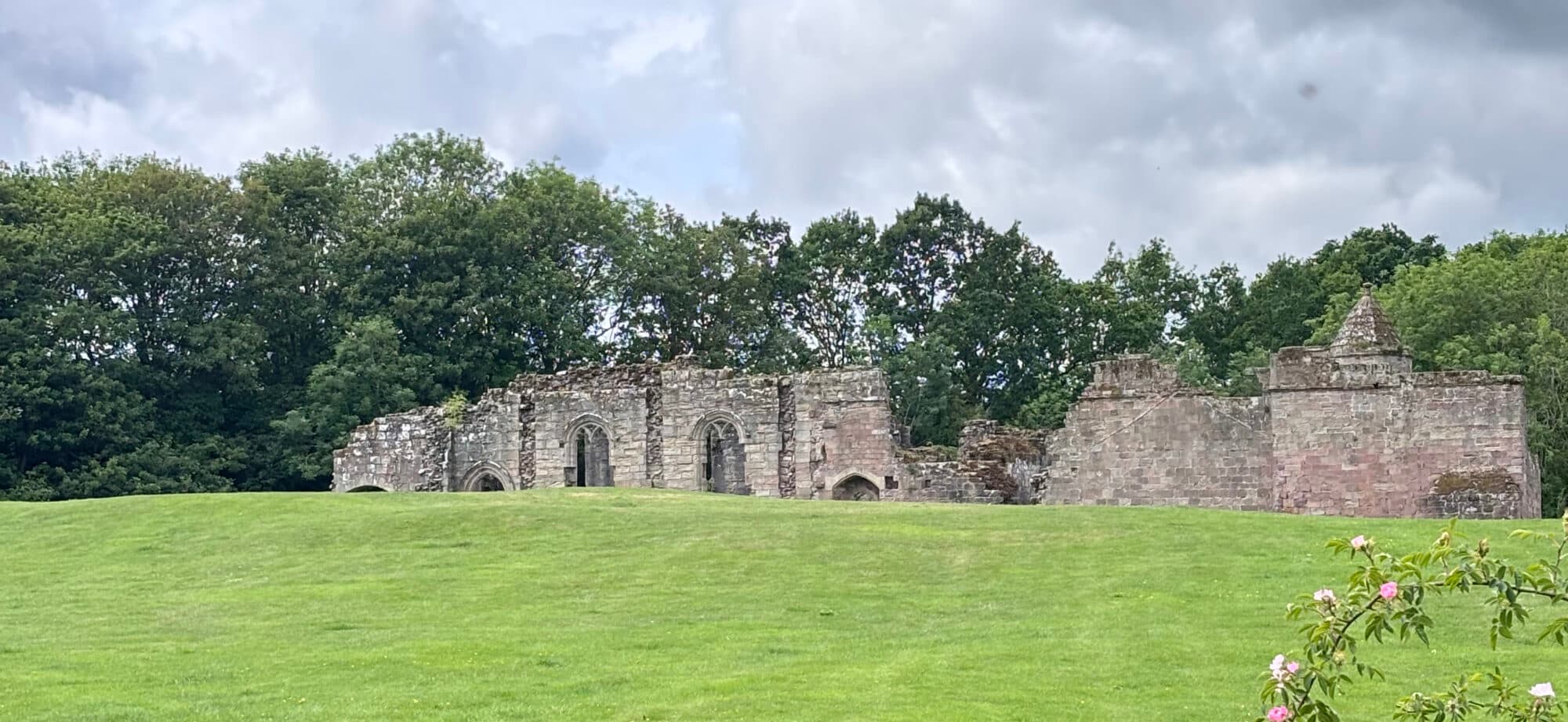
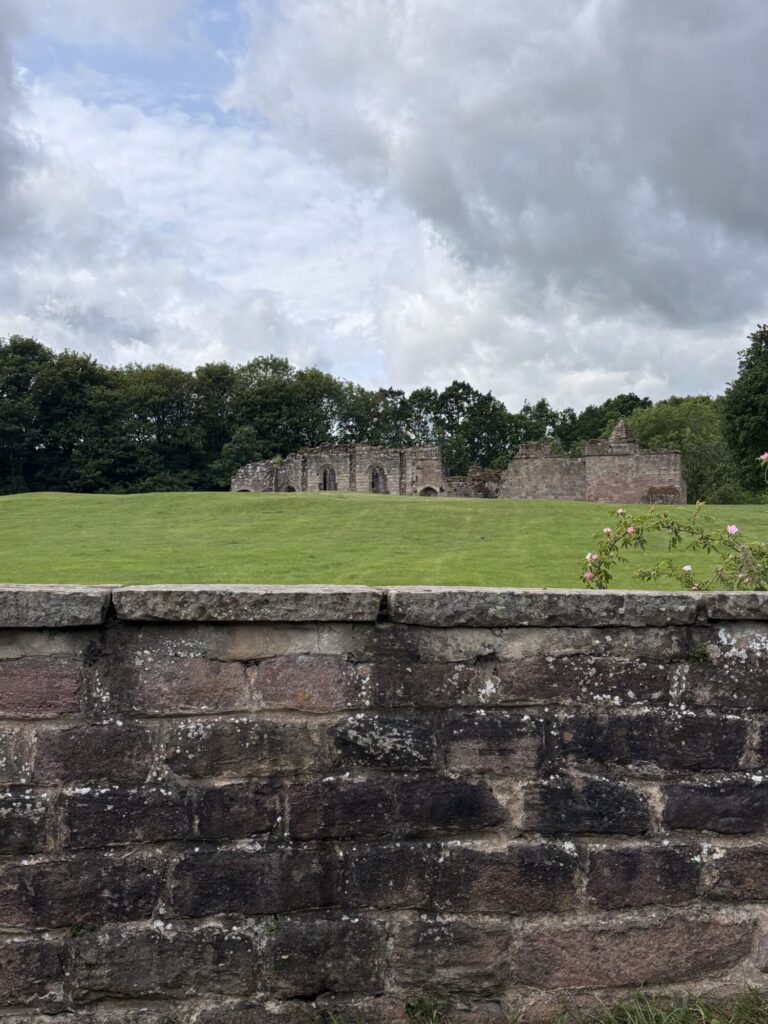
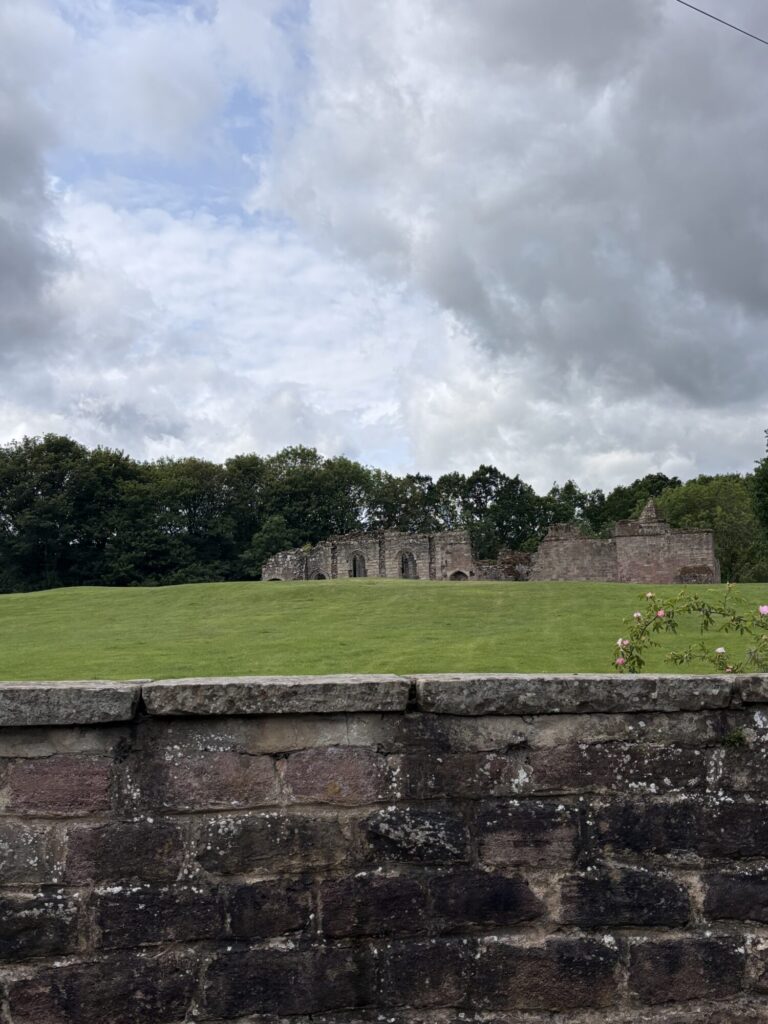
|Perched on a rugged outcrop above the quaint village of Spofforth, just five miles south of Harrogate, the ruins of Spofforth Castle whisper tales of power, ambition, and medieval grandeur. This once-formidable stronghold was the principal seat of the illustrious Percy family, one of the most influential noble dynasties in northern England.
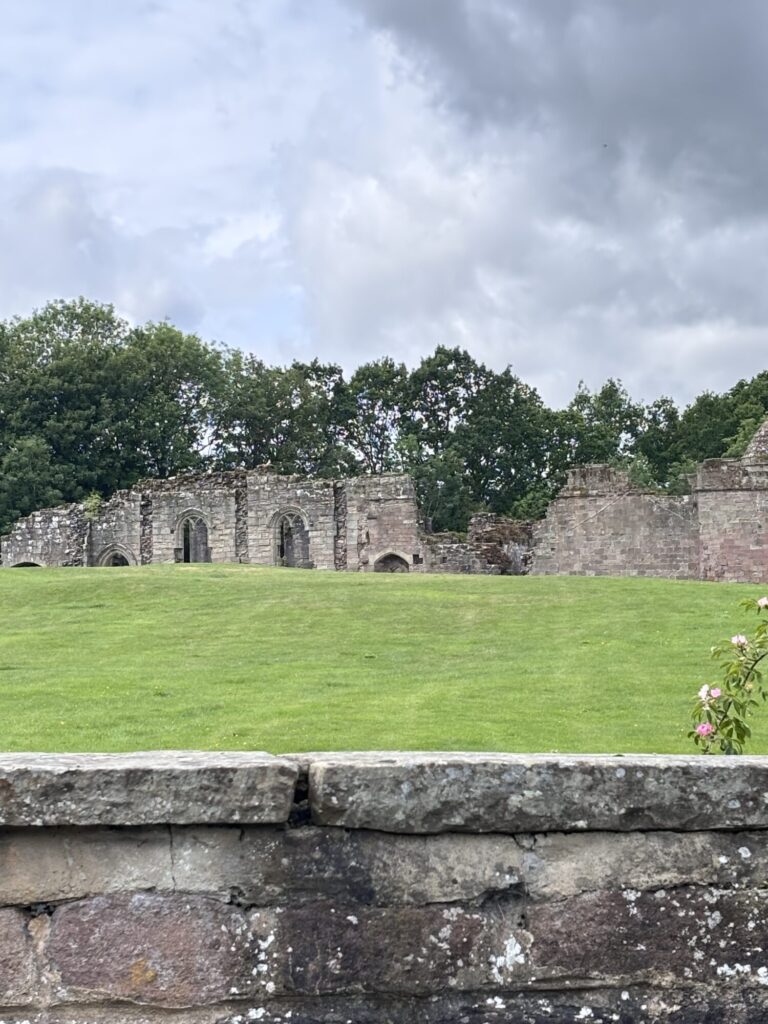
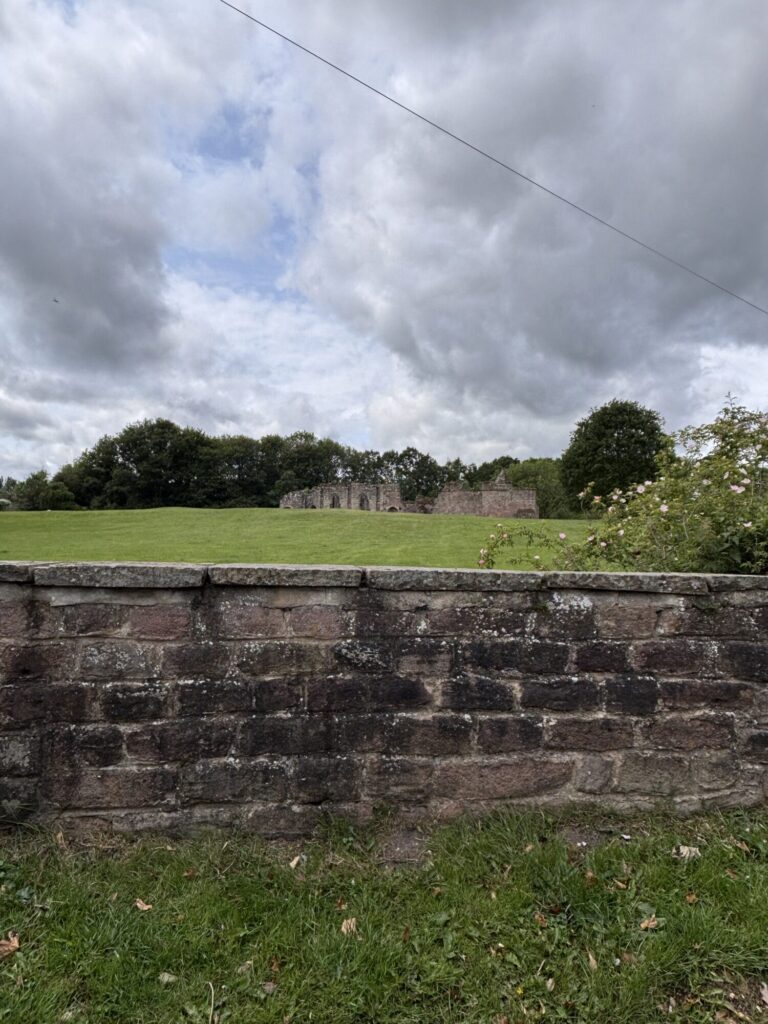
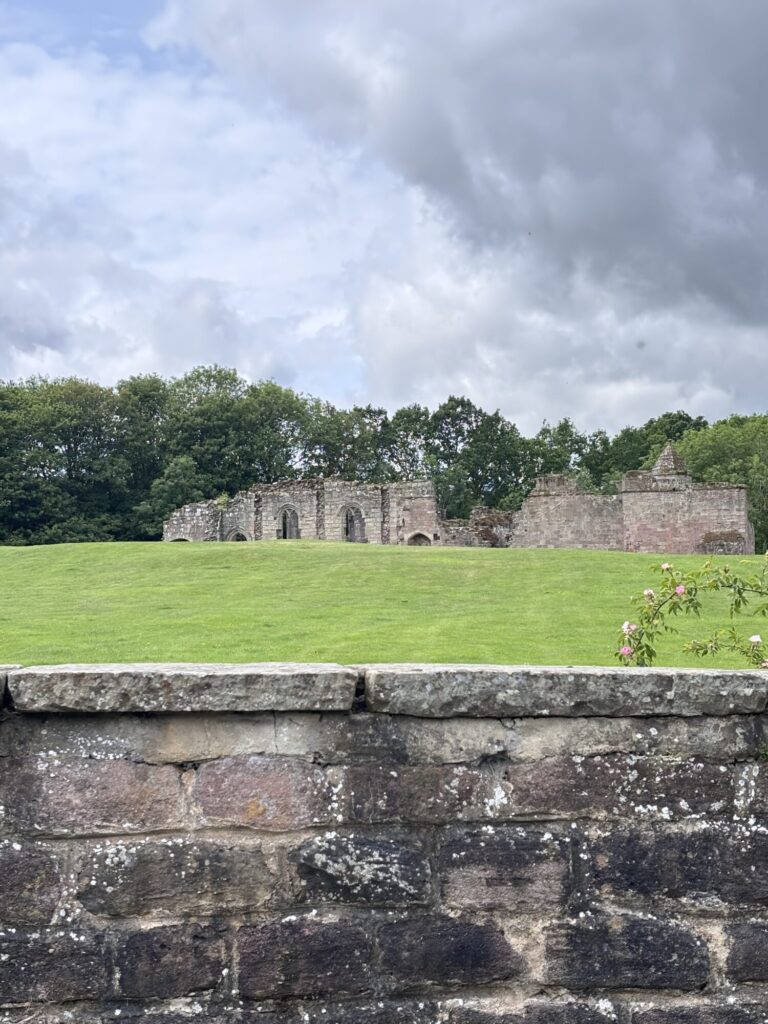
The roots of Spofforth’s noble legacy stretch back to the 11th century, shortly after the Norman Conquest, when William de Percy, a trusted knight and staunch supporter of William the Conqueror, was richly rewarded for his loyalty. Among the extensive lands granted to him was the manor of Spofforth. The original structure here, most likely a timber hall surrounded by defensive outbuildings, would evolve into a fortified residence that bore witness to both the rise and trials of the Percy lineage.
By tradition, it was at Spofforth that rebel barons, including Richard de Percy, are said to have drafted Magna Carta in 1215. A licence for a market was granted in 1224, and in 1308, Henry de Percy received royal permission to fortify the manor. This marked the beginning of Spofforth’s transformation into a stone residence.
The present ruins date mostly from the 14th and 15th centuries. Yet the castle was never a true fortress but rather a fortified manor, reflecting the Percys’ preference for comfort over military might. The western range, the only substantial portion still standing, housed the main hall and private chambers. Set into the natural rock, it includes a 13th-century undercroft, a later solar, and a great hall rebuilt in the 15th century.
Spofforth suffered during the Wars of the Roses when, after the 1461 Battle of Towton, Yorkist forces led by the Earl of Warwick burned the stronghold owing to the Percys’ support of the House of Lancaster. It remained in ruins for nearly a century until Henry, Lord Percy, restored it in 1559. By then, however, the family’s primary seat had moved to Alnwick Castle in Northumberland.
The last known resident was the steward Sampson Ingleby, who died in 1604. Spofforth fell into disuse and was further damaged during the Civil War. In 1924, Charles Henry, Baron Leconfield, gifted the site to the state. It is now managed by English Heritage and open to visitors.
Address: Spofforth Castle, Castle St, Spofforth, Harrogate HG3 1ND, United Kingdom
Books by Dr Emma Wells


Comments
0 Contributions
No comments yet. Be the first to start the conversation!