
Welcome to Yorkshire
History • February 28th, 2026
|St Peter and St Felix’s Church in Kirby Hill reflects continuous development from the 12th to the 19th century, resulting in a complex but legible architectural history. Together, the fabric and monuments make it a significant record of local social history.
The plan comprises a three-stage west tower, a three-bay aisled nave with a south porch, and a two-bay chancel with north vestries. The west tower, dated by inscription to 1397, stands on a chamfered plinth and is reinforced by diagonal buttresses, one bearing the worn inscription “AD MCCCLXXXXVII” and a later explanatory text. The tower includes a stair turret, trefoiled lights, Perpendicular belfry openings, gargoyles, shields at the corners, and a crenellated parapet.
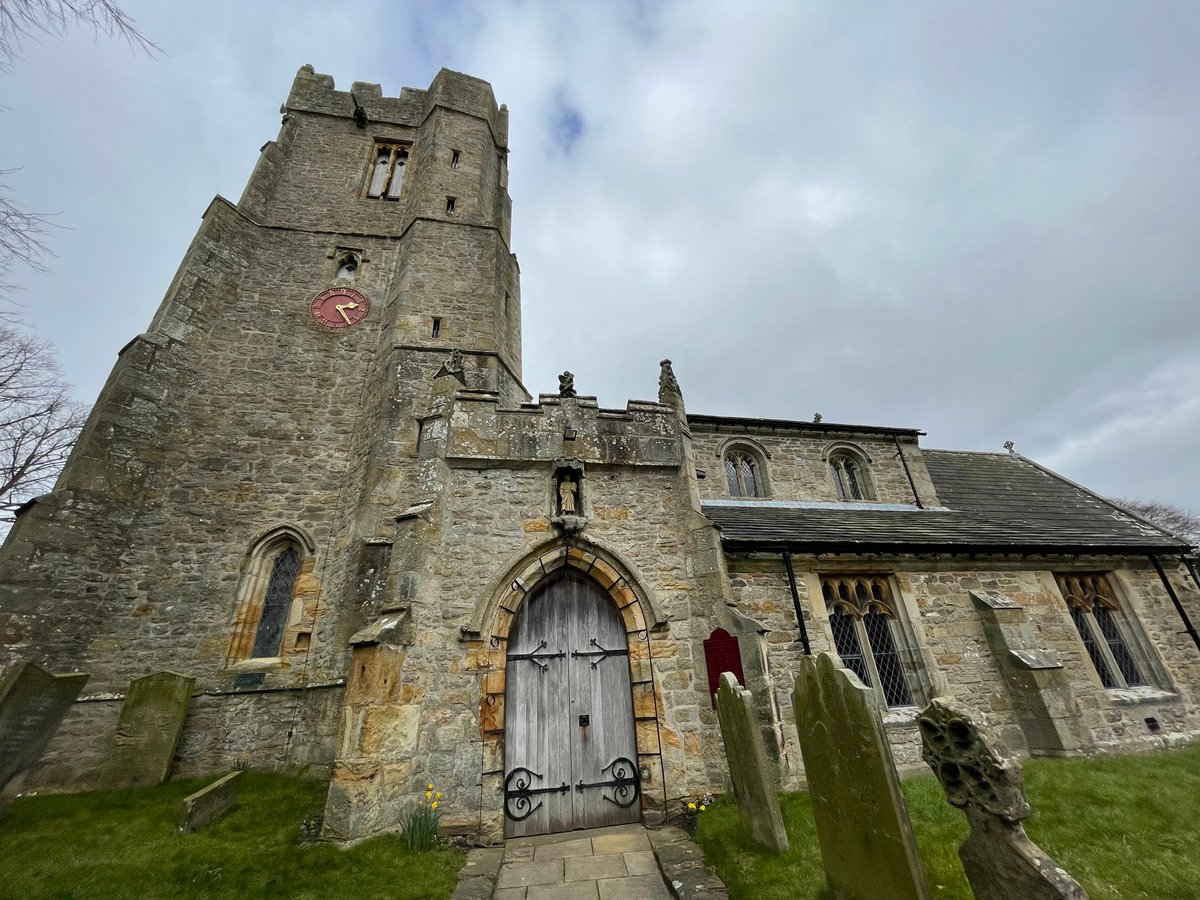
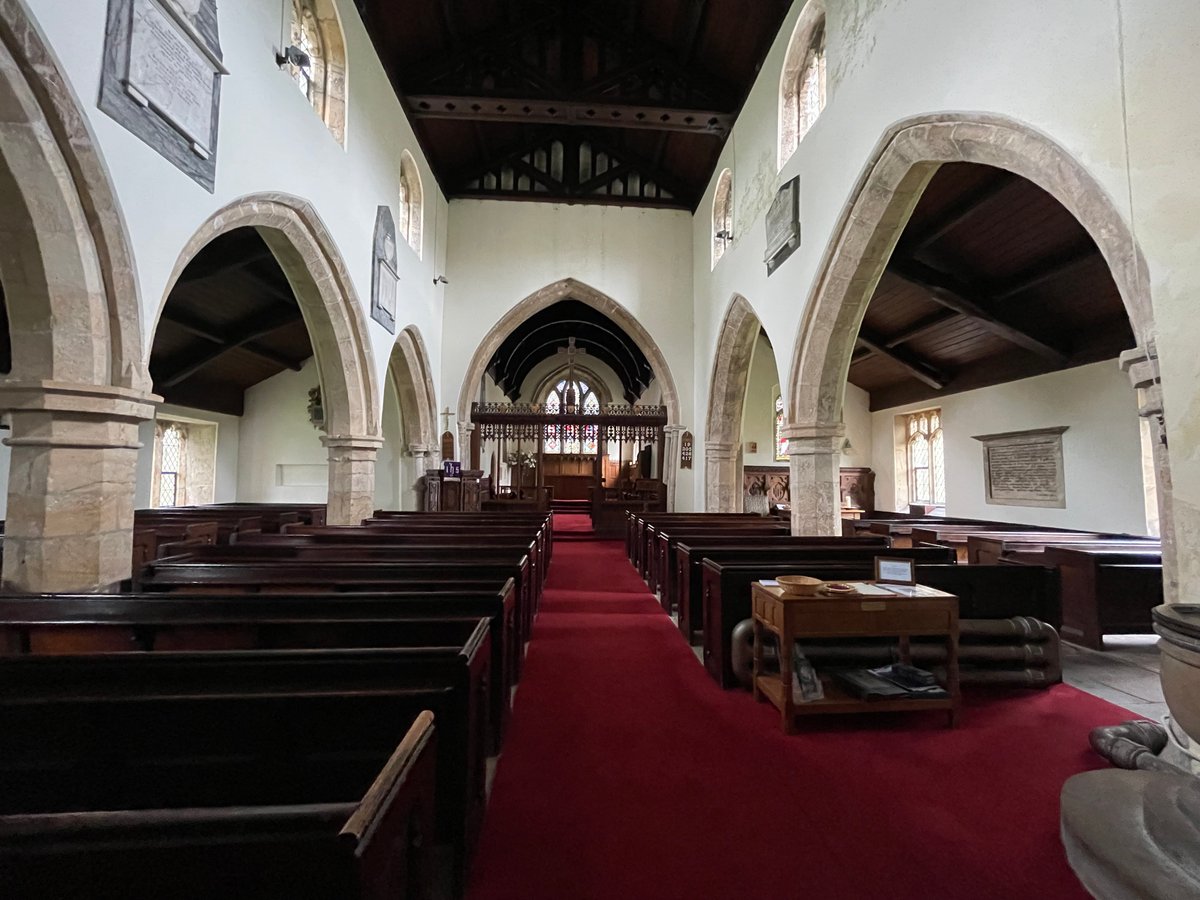
The nave arcades reflect different phases: the north arcade is early 14th century with octagonal piers and chamfered arches, while the south arcade is 15th century and simpler in form. The south aisle dates largely from the 15th century and contains Perpendicular-style windows, medieval carved fragments set into the wall, and a chamfered string course. The north aisle is earlier, with early 14th-century windows and later alterations. Both sides have late 15th-century clerestories with cinque-cusped lights.
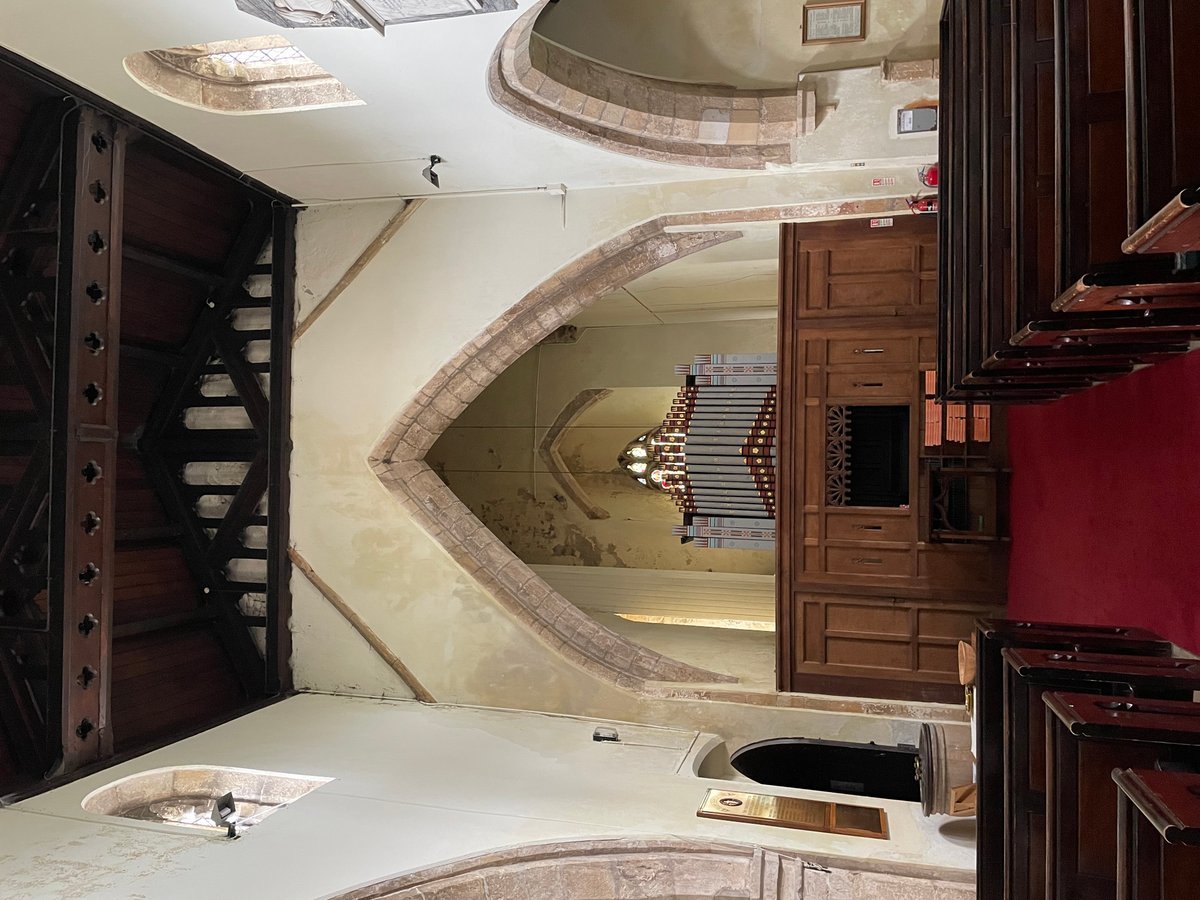
The chancel is principally late 12th century, identifiable by its battered plinth, Romanesque masonry, and surviving round-arched features, alongside later Gothic windows. The east window is 13th century with trefoiled lights. An early 14th-century vestry adjoins the chancel, while later additions to the east are not of special interest.
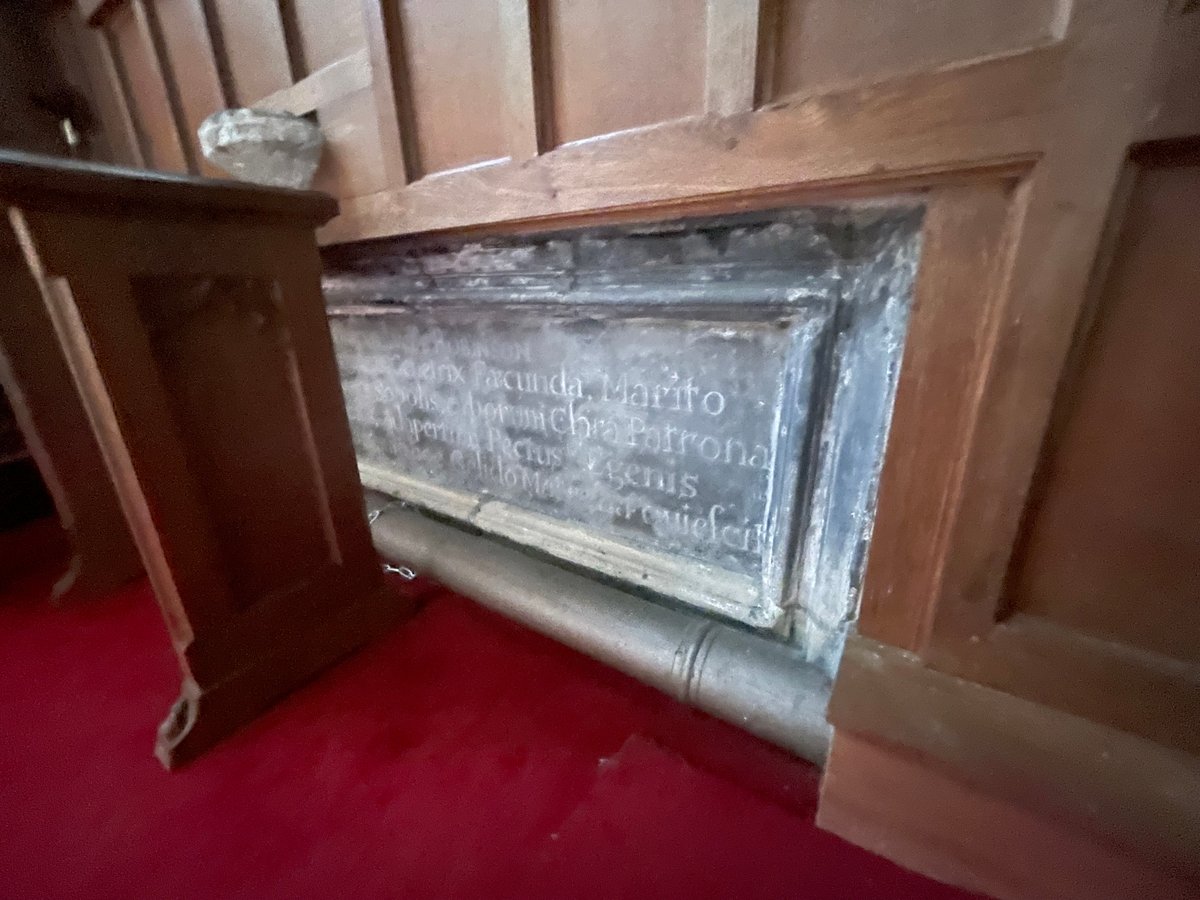
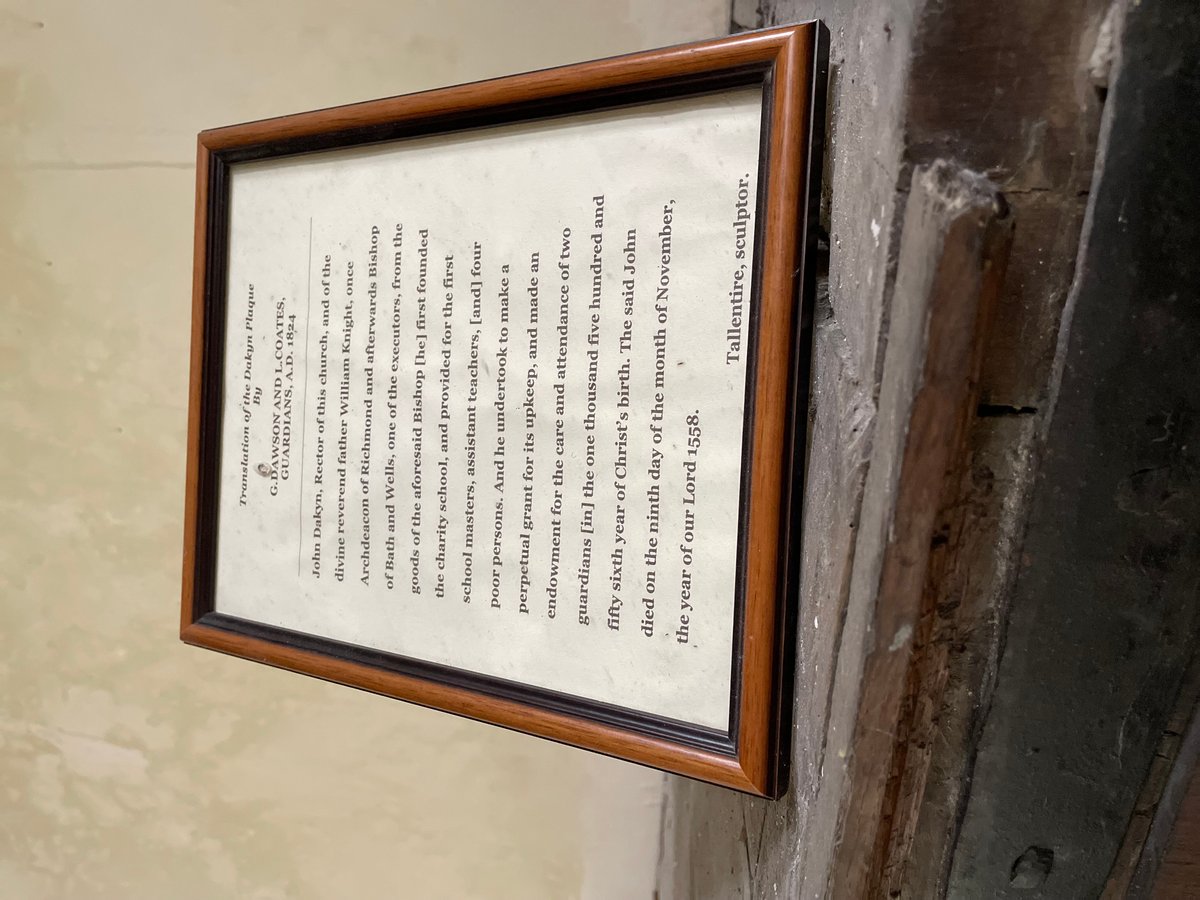
Internally, fittings include a medieval font, a 19th-century rood screen, and extensive monuments ranging from the early Georgian to the Victorian era. These commemorate prominent local figures, including Dr John Dakyn, founder of local charities and one of the participants in the Pilgrimage of Grace, and Thomas Wycliffe, the last male descendant of the 14th-century religious reformer, John Wycliffe.
Emma Wells
Dr Emma Wells has appeared as a historian on Yesterday, Curiosity Stream, Viral History, From the Dales to the Sea – A Great British Story, and as a ‘Don’ on BBC Radio 4’s The 3rd Degree and much more. Her first book, Pilgrim Routes of the British Isles, was released in 2016, and her most recent book Heaven On Earth: The Lives & Legacies of the World’s Greatest Cathedrals, was published in 2022.
View all articles →


