
Welcome to Yorkshire
History • April 9th, 2026
|Within the quiet folds of the North York Moors, the village of Lastingham gathers around an ancient church while the surrounding land dips into small wooded valleys where natural springs emerge from the ground. For centuries, these waters have been regarded as sacred, forming part of the village’s long spiritual landscape.
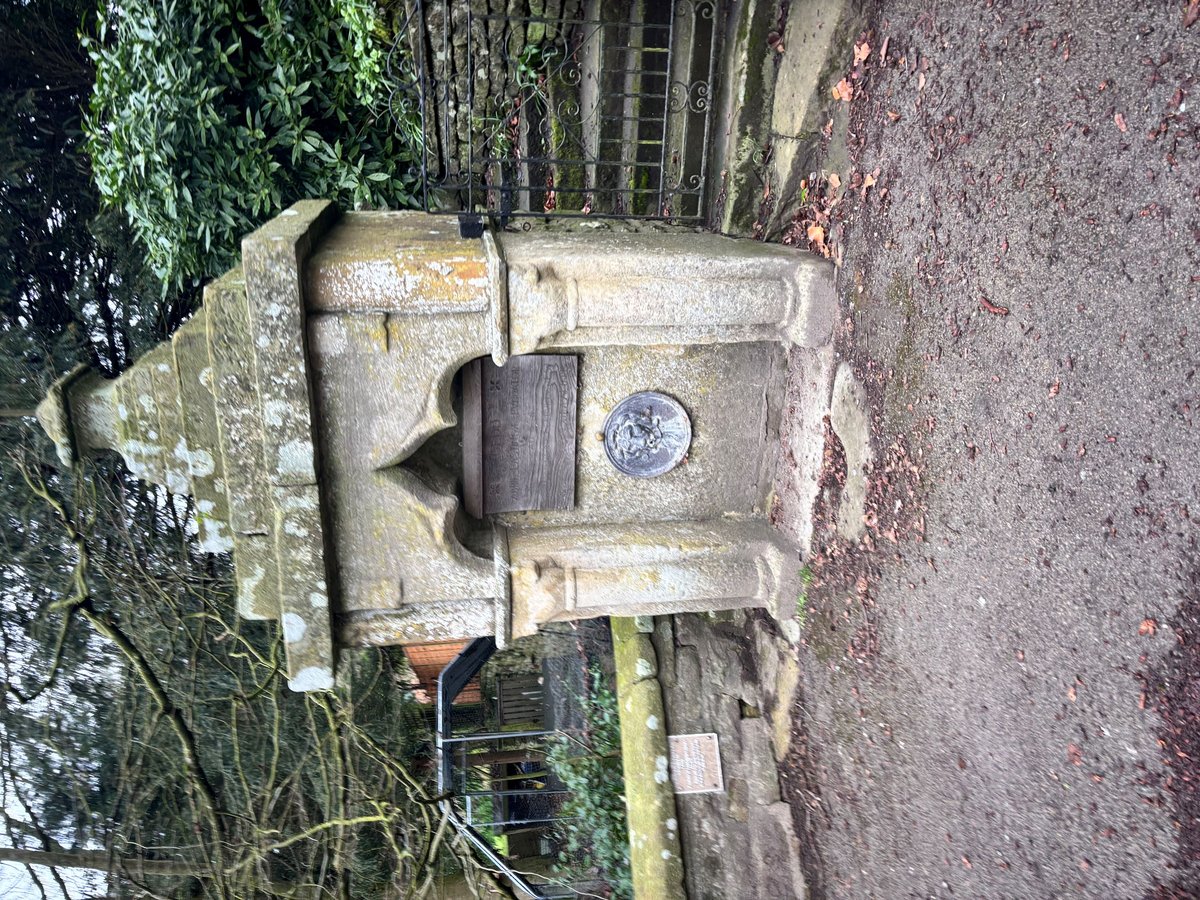
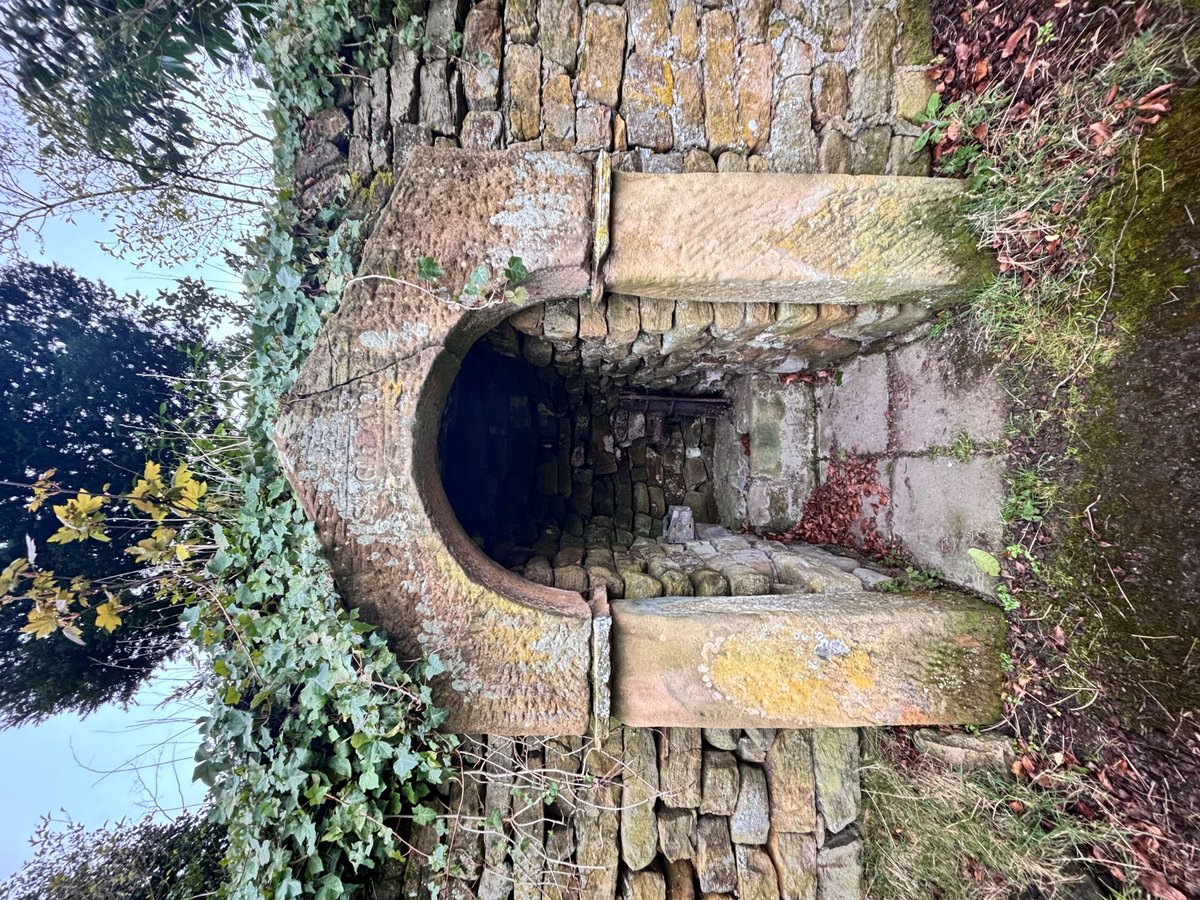
The most prevalent of the springs is associated with the early Christian community founded here in the 7th century. Around 654 AD a monastery was established under the guidance of Saint Cedd, a key figure in the spread of Christianity across northern England. Local tradition holds that one of the nearby springs was used by Cedd and his monks for baptism. Flowing steadily from the hillside, the water became linked with ideas of purification and healing, and for generations, villagers and pilgrims visited the well believing its waters held restorative qualities.
Today, the well stands on the north side of Front Street near the bridge over Hole Beck. The present roadside well-house structure dates from the 19th century and allegedly incorporates stone reused from nearby Rosedale Abbey. A carved lion’s head once formed the outlet for the spring water, although a domestic supply was later piped in.
Another historic spring in the village is St Chad’s Well, connected with Saint Chad, brother of Cedd. Chad spent time at Lastingham and later succeeded his brother as abbot after Cedd’s death in 664, before becoming Bishop of Lichfield. The well, located on High Street and recessed into the wall of Rosedale House, consists of a stone trough and hand pump within a small roadside structure. A later legend linking the well with Wulfhere likely belongs to another site near Lichfield.
Two further springs in the village are traditionally associated with Saint Ovin and Mary Magdalene. Although modest, these wells reflect the devotional life that once surrounded the monastery.
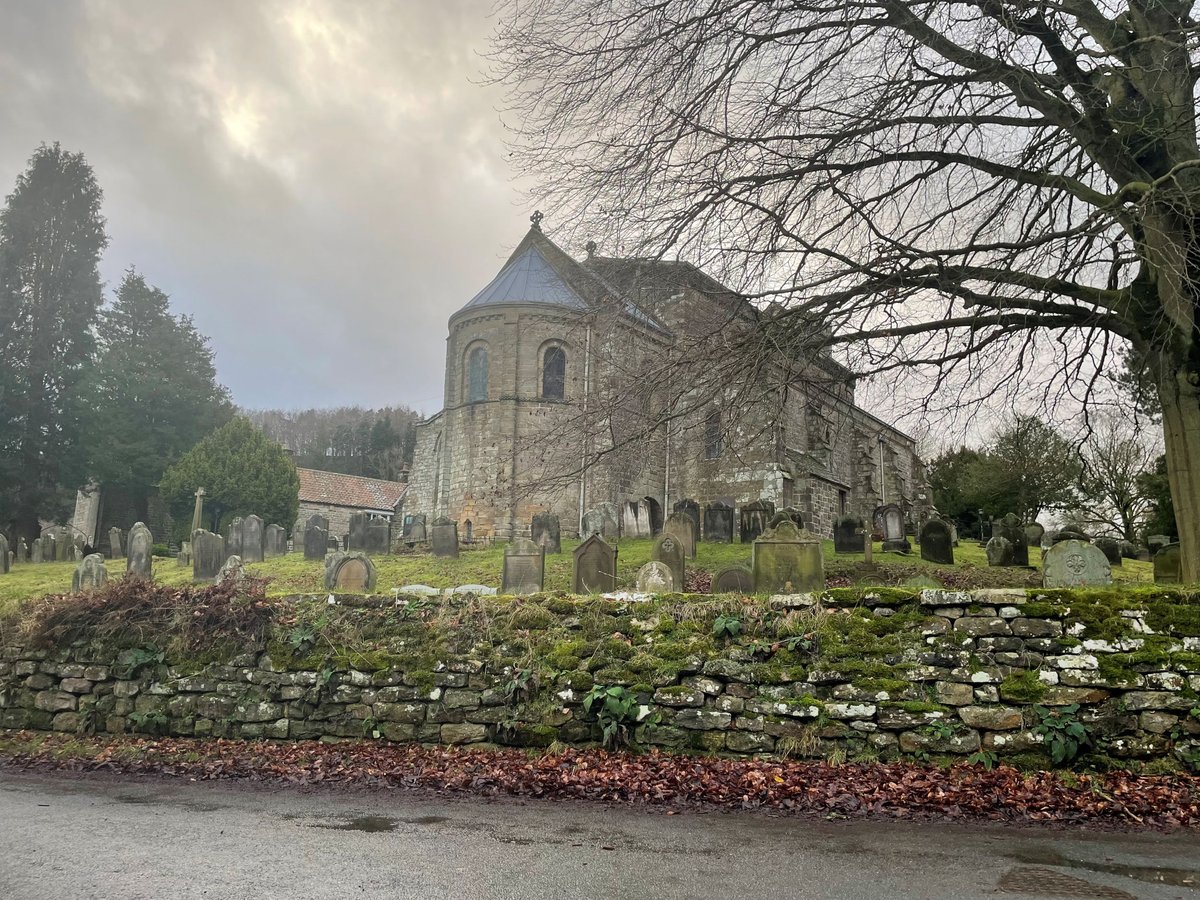
While the monastery eventually declined, Lastingham’s spiritual heritage remains visible through what is now St Mary's Church, built directly above the early monastic crypt.
Books by Dr Emma Wells #ad
Yorkshire Team
The Yorkshire.com editorial team is made up of local writers, content creators, and tourism specialists who are passionate about showcasing the very best of God’s Own Country. With deep roots in Yorkshire’s communities, culture, food scene, landscapes, and visitor economy, the team works closely with local businesses, venues, and organisations to bring readers the latest news, events, travel inspiration, and insider guides from across the region. From hidden gems to headline festivals, Yorkshire.com is dedicated to celebrating everything that makes Yorkshire such a special place to live, work, and visit.
View all articles →


