Welcome to Yorkshire
Published on December 17th, 2025
•Define Architects has submitted plans for a four-bedroom, 3D-printed house in Yorkshire. The structure will use low-carbon concrete and be printed in just 14 days. The sustainable design aims to increase local biodiversity and blend into the countryside. The local council is now reviewing the proposal for final approval.
Imagine building a whole house in the time it takes to go on a two-week holiday. Sounds like something out of a video game, right? Well, it might soon be happening for real. A group of clever thinkers called Define Architects has come up with a plan to build a four-bedroom, two-storey 3D-printed house in the beautiful Yorkshire countryside.
They've just sent their exciting plans off to the local council, and if they get the green light, it could be a massive game-changer for how we think about construction. This isn't just any old building project; it's a peek into the future of home building, mixing cool tech with eco-friendly ideas.
What's the big idea?
On 16 December 2025, Define Architects submitted their official planning documents for a unique new home. The plans show a family-sized dwelling on a piece of land that used to be a farm, near a village called Bielby in Yorkshire. The house, which has been nicknamed 'Speckled Wood', would have four bedrooms and be the first privately owned 3D-printed house in the whole of the UK. The architects reckon they can get the main structure built in just fourteen days.
That's faster than putting together some flat-pack furniture! This speed is possible because the house will be built using some seriously advanced 3D printing technology. The project is all about creating a new kind of home , one that’s built quickly, creates less mess, and is kinder to the planet. The design is intended to be both modern and respectful of its location in the quiet countryside.
How on earth do you 3d print a house?
It sounds a bit bonkers, but 3D printing a house is a real thing. Instead of using tiny plastic threads like a desktop 3D printer, this process uses a massive robot arm to squeeze out layers of special, low-carbon concrete, a bit like icing a cake. For this particular design, Define Architects teamed up with specialists at Harcourt Technologies Ltd (HTL). Together, they've even created a bespoke printhead, that’s the nozzle the concrete comes out of – to give the walls a really cool and unique texture.
The whole process is incredibly efficient. Here’s how it breaks down:
- The Material: A special low-carbon concrete mix is used, which is much better for the environment than the standard stuff.
- The Machine: A giant 3D printing machine follows the digital plans, building the walls layer by layer.
- The Speed: The team reckons the main structure, including the walls that hold the house up, can be printed in just two sessions, taking a total of 14 days. This is a massive leap forward from traditional construction methods.
This method of construction isn't just fast; it’s also super precise, meaning there’s hardly any waste material left over. Everything is calculated by a computer, so you only use exactly what you need. This approach to building a dwelling represents a major shift in modern construction.
A house that's good for the planet?
Absolutely. A big part of this project is about being sustainable. The architects have thought carefully about how the building and the land around it can help nature, not harm it. For a start, using 3D printing dramatically cuts down on waste compared to normal building sites, where you always end up with skips full of offcuts. The concrete itself is a low-carbon recipe, making it a more eco-friendly choice. Practice founder Gavin Watts explained the thinking behind using this material.
‘In recent years, concrete has faced increasing scrutiny over its sustainability credentials. However, when approached innovatively by considering its recycled aggregate content, long-lifespan performance and rapid low-waste production, it can outperform other contemporary construction methods.’
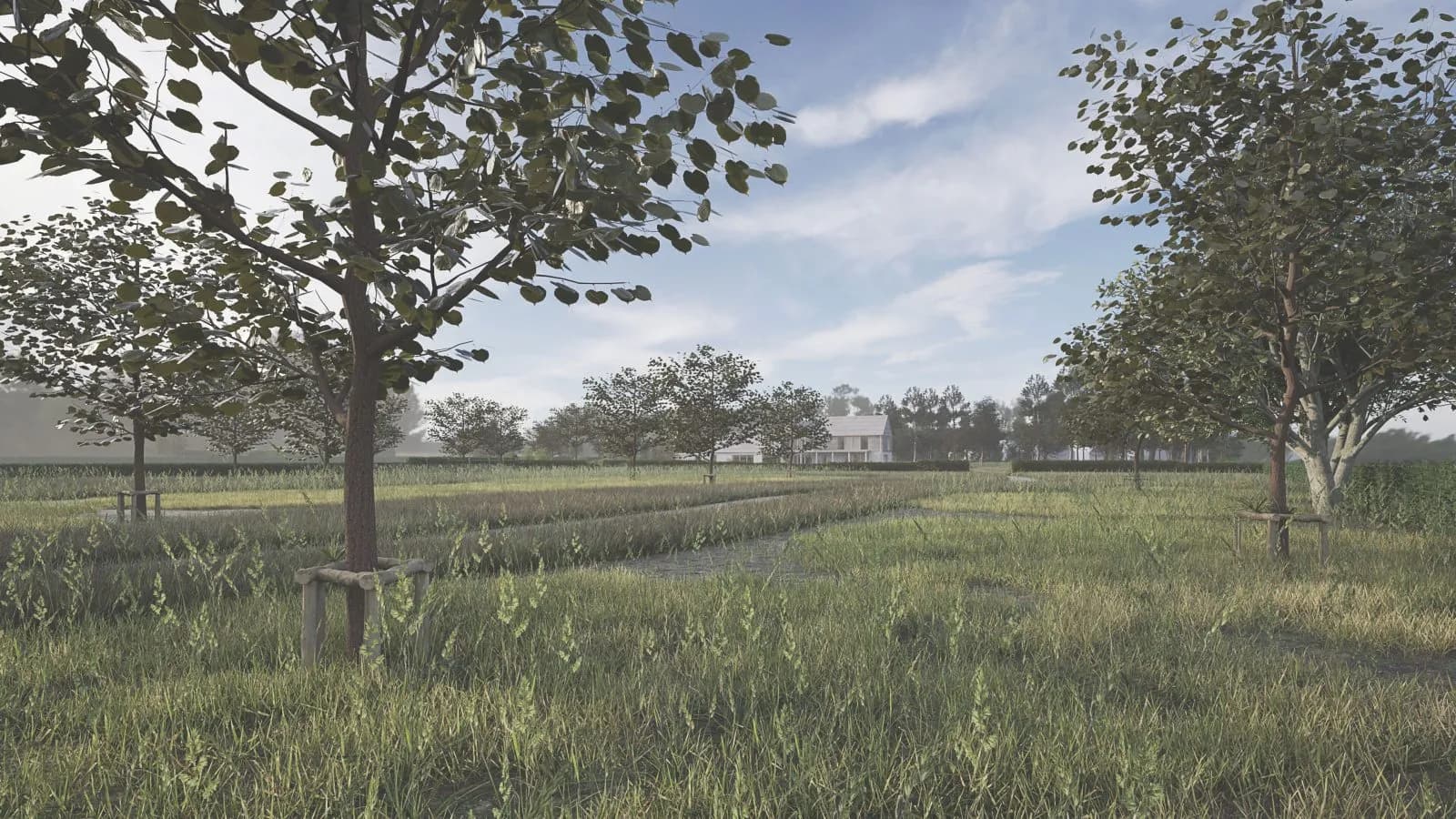
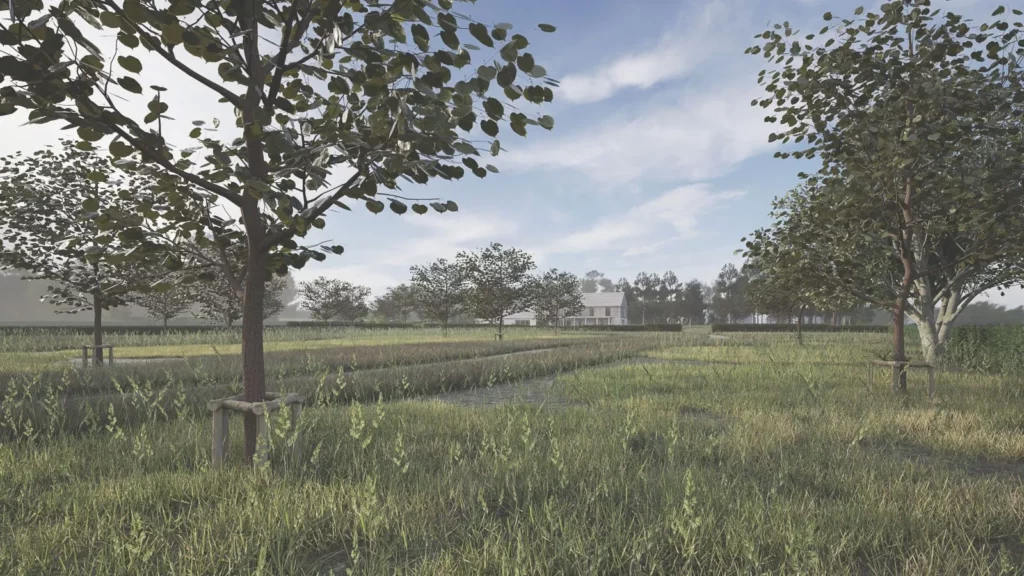
But the green thinking doesn't stop with the construction. The plans for the land around the house are designed for biodiversity gain. This just means they're creating spaces for wildlife to thrive. There will be a wildflower meadow, a pond, and fruit trees, all helping to support bees, birds, and other local creatures. Even the outbuildings, like the garage and storeroom, have flat roofs designed to be covered with plants. The whole design is about creating a home that gives back to its natural surroundings.
Making it look good in the countryside
Putting a brand-new, high-tech house in the middle of the rural countryside is a tricky business. You don't want it to stick out like a sore thumb. The team at Define has been very clever with the design to make sure the building fits in beautifully. The shape of the house, with its sloping gable roofs, is inspired by the old farm buildings you see all over Yorkshire. This helps it feel like it belongs there.
The materials chosen also help it blend in. The first floor and roofs will be covered in timber cedar shingle cladding, which is basically wooden tiles that will weather over time to a lovely silvery-grey colour. The window frames and other metal bits will be made from powder-coated aluminium in a grey-brown shade, chosen to match the timber and the colours of the nearby woodland. The architects said in their planning documents that they are proposing a "neutral and earthy" feel. The idea is to create a building that's quietly impressive, hiding its futuristic construction behind a calm and natural look.
The big question: will it get built?
This is the most important part. To build a one-off house in the open countryside, you need special permission. There's a rule, known as paragraph 84e, that says you can only do it if the design is of 'exceptional design quality' and actually makes the area look better. It's a very high bar to reach, and not many plans make the cut. The architects are arguing that this 3D-printed house is exactly that – a pioneering piece of design that is both beautiful and incredibly innovative.
In the official plans, they claim the project would create ‘one of very few dwellings of exceptional design quality within the Yorkshire and Humber region’. They believe that the sustainable technology, the thoughtful design, and the benefits for local wildlife all add up to something truly special. The local council is now looking over all the details in the planning documents, and a decision on whether to grant consent is expected in the new year. If they say yes, this remarkable 3D-printed dwelling could pave the way for a whole new generation of homes. As Gavin Watts from Define put it, ‘Speckled Wood aims to demonstrate the positive role concrete can play as our industry continues its transition toward more sustainable practices.’ Everyone will be watching to see what happens next.

Yorkshire Team
The Yorkshire.com editorial team is made up of local writers, content creators, and tourism specialists who are passionate about showcasing the very best of God’s Own Country. With deep roots in Yorkshire’s communities, culture, food scene, landscapes, and visitor economy, the team works closely with local businesses, venues, and organisations to bring readers the latest news, events, travel inspiration, and insider guides from across the region. From hidden gems to headline festivals, Yorkshire.com is dedicated to celebrating everything that makes Yorkshire such a special place to live, work, and visit.
View all articles →