
Welcome to Yorkshire
Published on December 18th, 2025
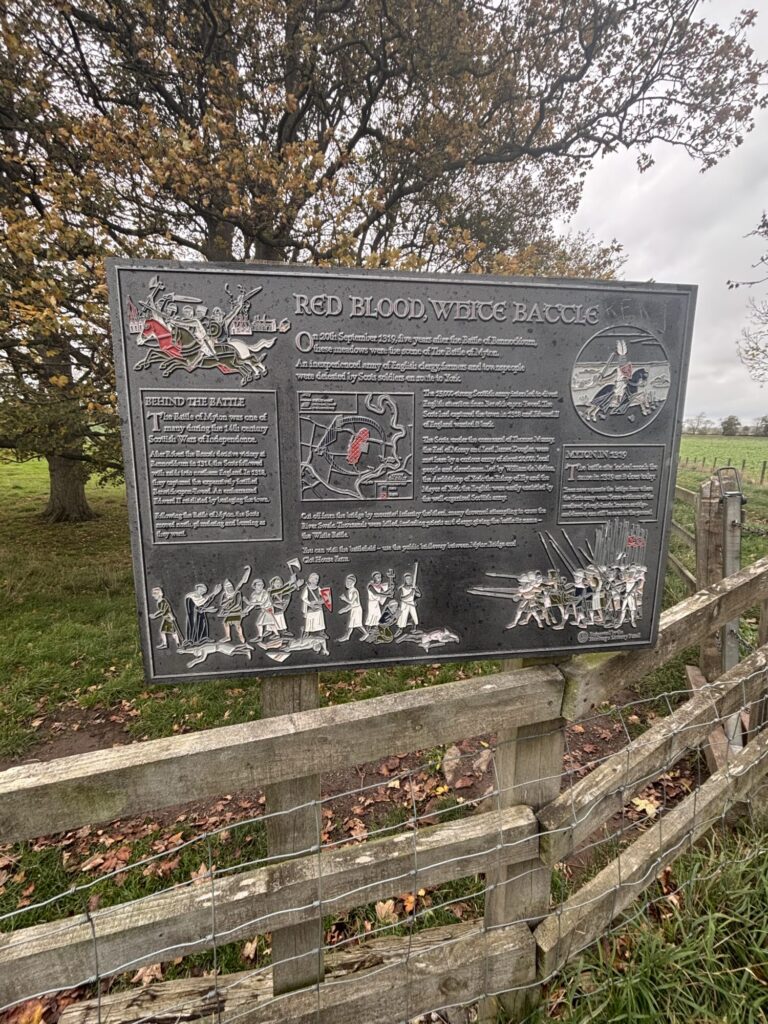
•In the late summer of 1319, a bucolic scene near the River Swale swiftly transformed into one of medieval England’s most tragic encounters: the Battle of Myton-on-Swale occurred three miles east of Boroughbridge. Though often overshadowed by grander clashes like Bannockburn or Falkirk, Myton was a stark episode in the long struggle between England and Scotland, a battle fought not by soldiers, but by civilians, clergy, and desperate defenders.
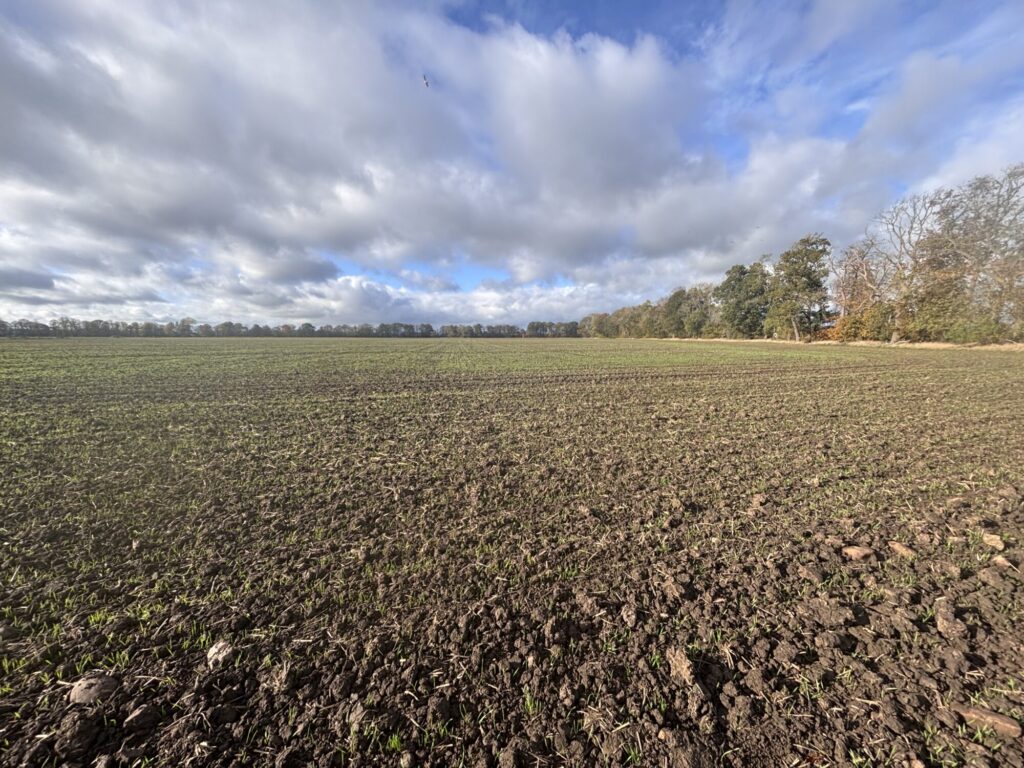
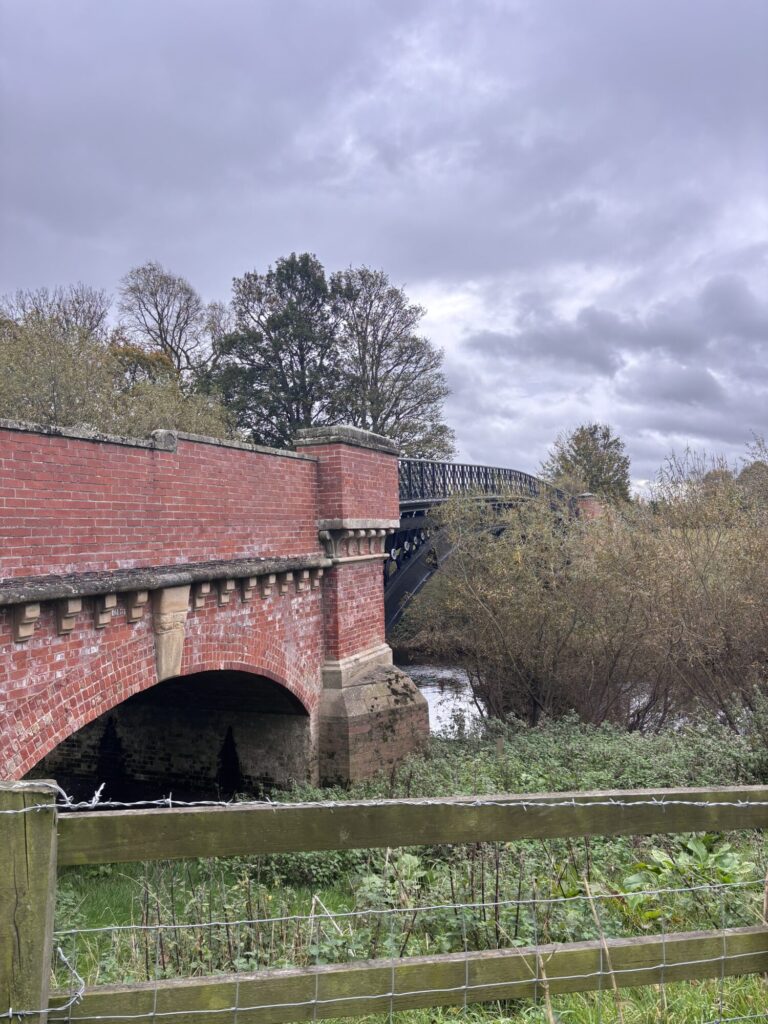
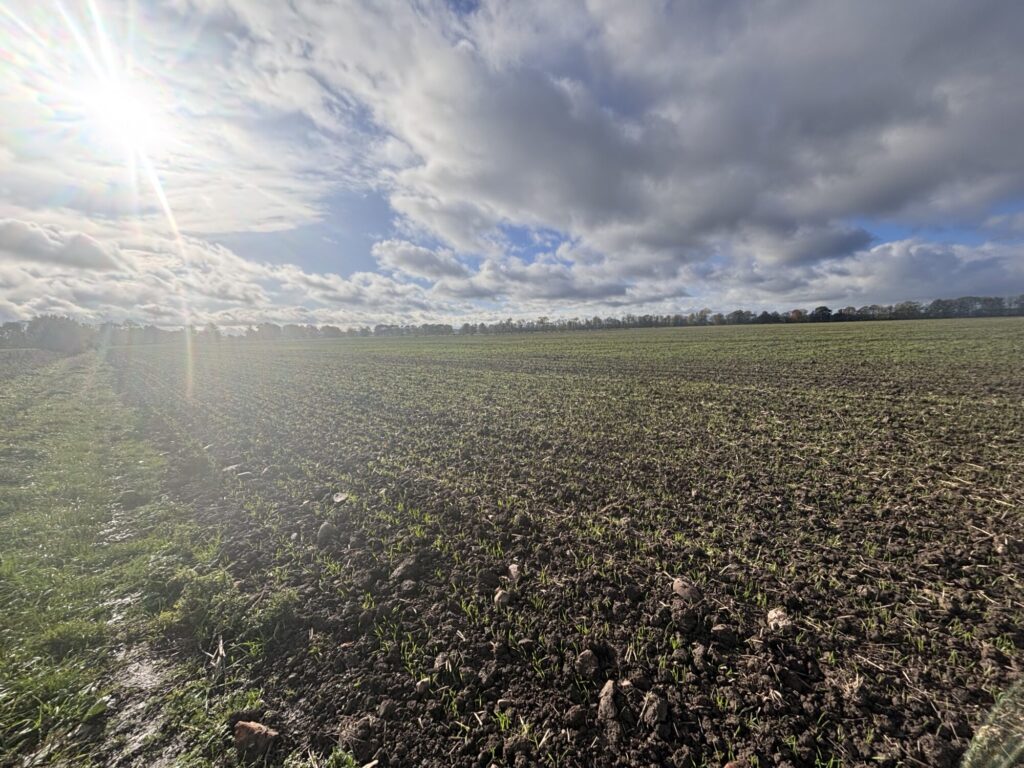
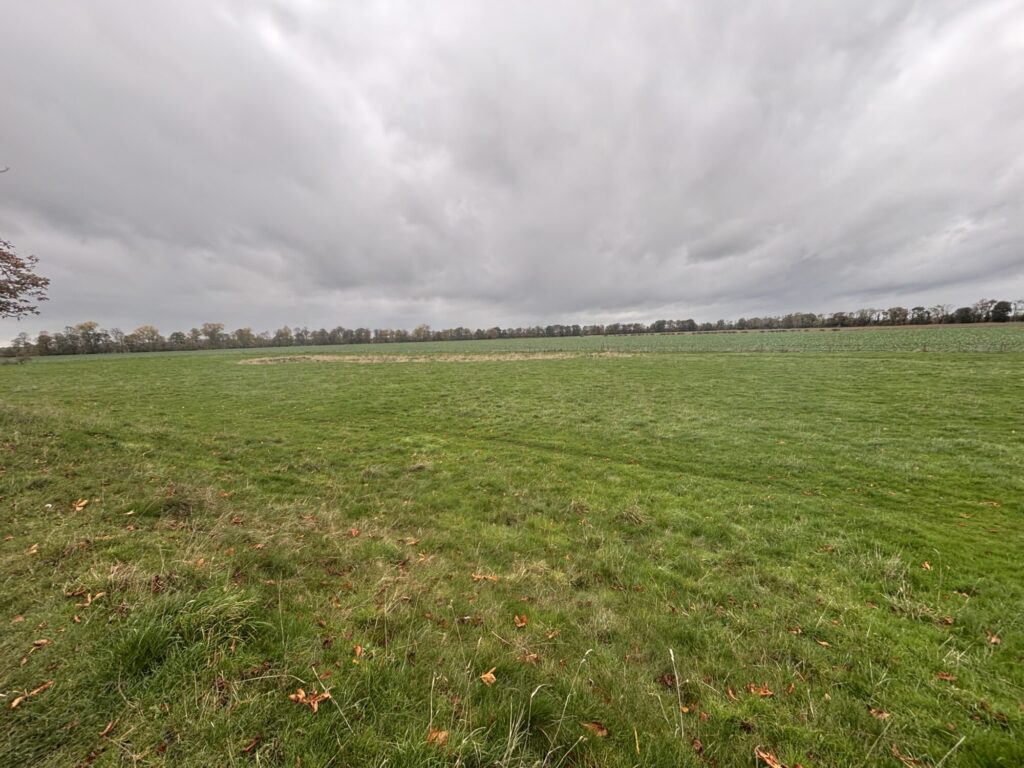
The landscape then, as now, was open farmland divided by the winding river and low-lying meadow, terrain that proved disastrous for the inexperienced English militia, many of whom were driven into the water during their retreat. Today, the area remains peaceful farmland, marked out as a Public Right of Way.
The battle arose from the border warfare that followed Robert the Bruce’s victory at Bannockburn in 1314. By 1319, Bruce’s lieutenants, Lord James Douglas and Thomas Randolph, Earl of Moray, led destructive raids deep into northern England. Following King Edward II’s siege of the Scottish-held town of Berwick-upon-Tweed, his raiding force commenced south, 15,000 strong, sweeping through North Yorkshire, burning towns and spreading terror. In response, William Melton, the Archbishop of York, along with other ecclesiastical dignitaries, raised a makeshift army of clergy, townsmen, and local militia. Chroniclers claim in the region of 10-20,000 men gathered, including priests, students, and peasants, all armed with farm tools and worn swords.
On 20 September 1319, Melton’s ill-trained force met the Scots near Myton. The Scots feigned retreat, luring the English across a ford in the Swale before turning to strike with deadly precision. The militia broke and fled in panic; many drowned trying to escape, while others were cut down as they begged for mercy. Chroniclers later named it ‘The White Battle’, for the colour of the robes of fallen clergy that littered the fields.
The consequences were swift. Edward II abandoned his siege of Berwick and retreated south.
Books by Dr Emma Wells
Emma Wells
Dr Emma Wells has appeared as a historian on Yesterday, Curiosity Stream, Viral History, From the Dales to the Sea – A Great British Story, and as a ‘Don’ on BBC Radio 4’s The 3rd Degree and much more. Her first book, Pilgrim Routes of the British Isles, was released in 2016, and her most recent book Heaven On Earth: The Lives & Legacies of the World’s Greatest Cathedrals, was published in 2022.
View all articles →