
Welcome to Yorkshire
Published on August 20th, 2025
•Imagine going back to your favourite childhood park after 20 years, only to find it completely changed, or maybe even gone. That's a feeling conservationists are worried about, but instead of a park, they're looking at the homes of some of the UK's most delicate creatures.
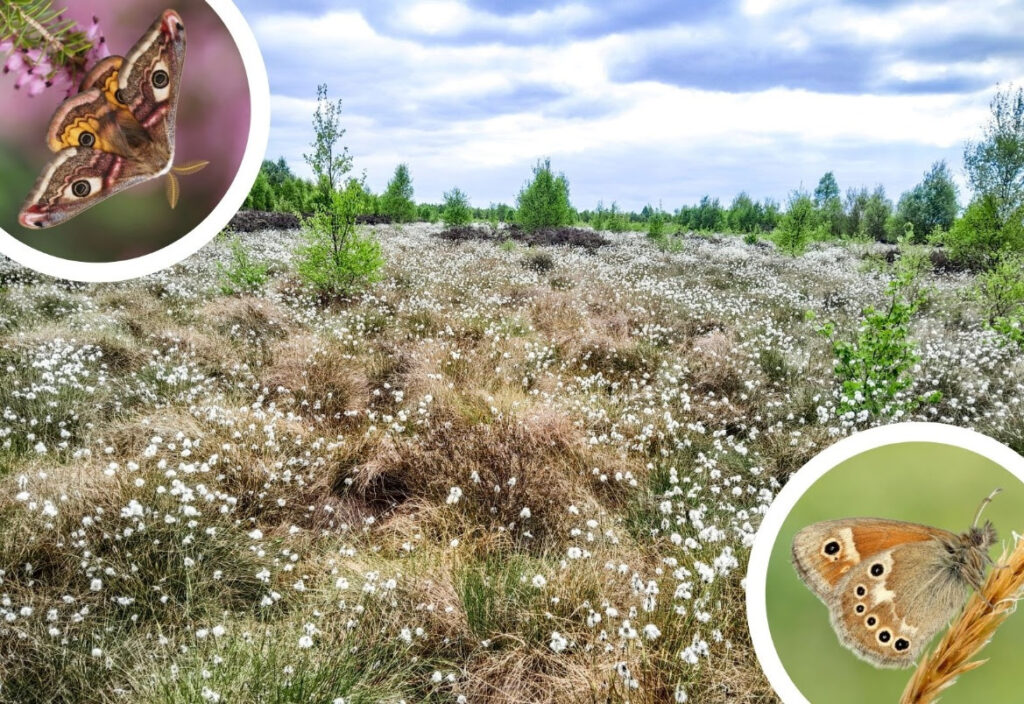
A huge search is kicking off across the north of England to find a special butterfly that hasn't been properly checked on for two whole decades. The national butterfly charity, Butterfly Conservation, is on a mission to see how the Large Heath butterfly is getting on, and they need help.
A northern mission with a big goal
This isn't just a casual weekend hunt. Butterfly Conservation is taking this seriously. Two new full-time staff members are leading a two-and-a-half-year project across Yorkshire, Cumbria, Northumberland, and Lancashire. Think of them as butterfly detectives, searching for clues about the Large Heath butterfly. This big push for conservation is possible thanks to a £300,000 funding boost from the Elgol Fund for Nature. The main goal? To figure out how much trouble this butterfly, and other rare species, are in because of climate change and human actions.
Dave Wainwright, who is the Head of Conservation for England at Butterfly Conservation, shared his thoughts on the project:
"We are excited to be embarking on this project, but also a little worried about what we are going to find out: the last time we surveyed most of these sites was over 20 years ago, and I suspect a lot of them are now being affected by climate change. It's likely that some of the populations of Large Heath that we found 20 years ago will be gone completely now, and if that's the case we need to find out so we can help others."
It's a bit of a race against time. Finding out which populations have disappeared is sad, but it's vital information that can help protect the butterflies that are still hanging on.
Why this butterfly is so special and so vulnerable
So, what's the big deal about the Large Heath butterfly? Well, it's one of the most endangered species of its kind in all of Europe. Its whole life depends on a very specific type of home: peat bogs. The caterpillars, which are the baby butterflies, munch almost exclusively on a plant called hare's-tail cottongrass. And when they grow up, the adult butterflies get their energy by sipping nectar from cross-leaved heath. Both of these plants love the damp, spongy ground of peat bogs.
Here's the problem. Over the last couple of centuries, human actions have been really bad news for peat bogs across the UK and Europe. People have drained them to create farmland and dug up the peat for fuel or garden compost. Now, climate change is making things even worse. Warmer weather is upsetting the delicate balance of these unique places. As a result, the Large Heath butterfly is officially on the IUCN Red List. That's basically a global danger list for wildlife, and it's marked as 'vulnerable and decreasing in Europe'. That's not a good sign. Its population is shrinking, and it needs some serious help.
A call for volunteers and a plan for the future
The truth is, nobody knows for sure how the Large Heath butterfly is doing in England right now because so few of its homes are regularly checked. Dave Wainwright added:
"We don't know precisely how the butterfly is faring in England because so few of its sites are monitored. We need to remedy this, and our new officers will soon be recruiting volunteers who are keen to help."
This is where ordinary people can make a massive difference. The project is looking for volunteers to get involved in the search. At the same time, a lot of good work is already happening. Many landowners have been trying to fix the damage through habitat restoration. This means doing things like pulling out plants that don't belong and building dams to make the peat bogs wet again. While a lot of this peatland restoration is about locking up carbon to fight climate change, it's also a golden opportunity to help wildlife. Butterfly Conservation will be working with these landowners and other partners across the peatland landscapes of northern England to make sure this work also helps threatened butterflies and moths. The end goal is to create solid action plans that can be shared to protect these amazing insects.
It's not just about one butterfly
While the Large Heath is the star of the show, the team will be keeping an eye out for some other cool residents of the peat bogs. Finding these other species can tell them a lot about how healthy the habitat is. It's like a doctor checking all your vital signs, not just your temperature.
One of the other creatures on their list is one of the UK's largest and most impressive moths: the Emperor moth. This moth is a real showstopper with orange-and-red wings that can be 9cm across! It has big eye spots on its wings to scare away anything that might want to eat it. The males also have a sort of superpower. They have big, furry antennae that can smell a female's special scent (called a pheromone) from up to two kilometres away. The team plans to use this to their advantage by training volunteers to use special lures that mimic the female's scent to attract males, making it easier to count how many are around. The project isn't just about the one butterfly or the big moths, it's about a whole community of creatures.
The team will also be on the lookout for:
- Green Hairstreak butterflies
- Small Pearl-bordered Fritillaries
- The local Manchester Treble-bar moth
- The colourful Wood Tiger moth
By studying all these different butterflies and moths, the conservation effort will gather a complete picture of life in the peat bogs. This work in England is part of a wider UK conservation strategy to protect endangered species and their habitats from the effects of climate change. The information gathered by the volunteers will help create tailored action plans for landowners, ensuring that habitat restoration efforts in these precious peatland landscapes give these beautiful insects the best chance of survival.
Yorkshire Team
The Yorkshire.com editorial team is made up of local writers, content creators, and tourism specialists who are passionate about showcasing the very best of God’s Own Country. With deep roots in Yorkshire’s communities, culture, food scene, landscapes, and visitor economy, the team works closely with local businesses, venues, and organisations to bring readers the latest news, events, travel inspiration, and insider guides from across the region. From hidden gems to headline festivals, Yorkshire.com is dedicated to celebrating everything that makes Yorkshire such a special place to live, work, and visit.
View all articles →