Welcome to Yorkshire
Published on October 7th, 2025
•Ever thought that to get bigger and better in business, you just have to say 'yes' to everything? It sounds right, doesn't it? More work means more money. But some of the fastest-growing companies in Yorkshire have discovered a secret weapon, and it's a bit of a surprise.
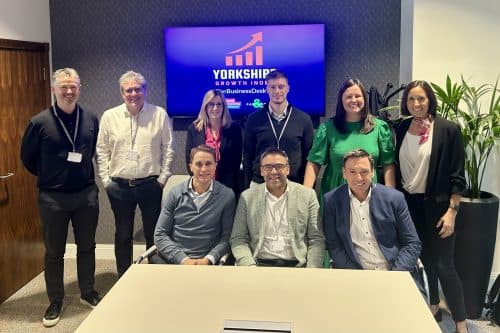
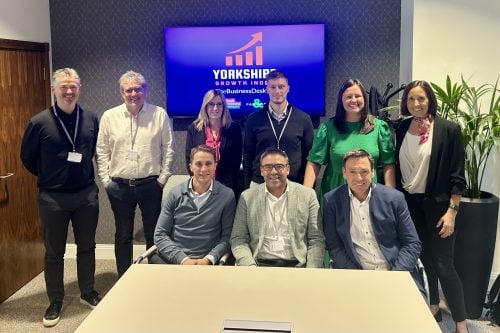
Their real competitive advantage isn't just about the brilliant opportunities they grab, but the ones they have the confidence to turn down. It's a bit like choosing quality over quantity. Instead of chasing every single pound, they're focusing on building solid relationships and making sure the work they do is actually worth it. A group of these business leaders, all featured in the 2025 Yorkshire Growth Index, recently got together to chat about how they do it.
The trap of chasing turnover
Picture a business that's getting bigger and bigger. Its sales numbers, or turnover, are going through the roof. Looks great on paper, right? But what if it's not actually making much money? This is a trap that many businesses fall into. They get so big they have a massive team and huge bills to pay each month - a "big mouth to feed," as one boss put it.
Chris Bond, who runs a mechanical and electrical company called Hensall, has seen this happen to his competitors. "There's a risk when you get to a certain level of growth that there becomes a big mouth to feed," he said. "We're seeing a lot of our competition that have gone from £30m to 40, 50, 100, 200, then £300m, and they're chasing turnover at that point. They're getting the big jobs but their margins are just non-existent."
What are margins? Think of it like this: if you sell a cake for £10 and it costs you £8 to make, your profit margin is £2. If you start selling thousands of cakes for £8.10 each, your turnover looks amazing, but your actual profit is tiny. You're working incredibly hard for very little reward. Bond learned this the hard way after a management buyout in 2007, just before a massive economic downturn. A buyout is when the people running the company buy it from the owners. He described the next four years as "absolute pain."
"That taught me resilience and not to take on work that we couldn't make profit out of," he explained. "We didn't chase turnover." Being selective was the key to survival and future growth.
Knowing who you are and what you stand for
So, how does a business decide what to say 'no' to? According to Mel Hird, from Fresh Thinking Advisory, it all comes down to knowing what the business is about. It's about having clear core values. When a business knows what it stands for, it's much easier to spot the right kind of customers and projects. It also helps to be clear on what you are not dealing with. The focus on values ensures better longevity for the company.
"If you stick to what your core values are, and you set the stall out for that, then you'll know who you're dealing with and what you're not dealing with," Hird said. "Most businesses, certainly when they're starting out, are not necessarily clear about what their vision is and they don't think about margin. They chase turnover, but the longevity is not there."
It's about choosing the right client base. Gary Williams, who runs Widd Signs, has seen his family business grow from a £2-3m turnover to £15m by being picky. "We've been very selective in the client base, identifying the clients that want a relationship," he explained. "There are lots of clients out there that aren't relationship driven. When you come across a problem, they're not interested in the problem. They're just interested in the bottom line, and they're not the client to have."
Taking chances the smart way
Saying 'no' doesn't mean never taking a chance. Far from it. Smart growth is all about taking calculated risks. Just ask Astonish, a Bradford-based cleaning products maker. Its sales have shot up from £17m to £70m over the last ten years. How? By smartly investing in the business.
Mark Winter, the commercial director, points to a few key things:
- Marketing: Making more people aware of the brand.
- Investment: Putting money back into the factory with new production lines and automation.
- Innovation: Constantly bringing out new products.
"If we stand still, we'll go backwards," Winter stated. "We have to keep moving forward. To do that, we have to take a bit of risk, and when it's your money it is a calculated risk. We're not reckless with it." This approach to taking calculated risks is central to their strategy. They know that to achieve their desired growth, they have to try new things. "If it doesn't work, we learn fast, and we move on quickly."
Getting comfortable with risk and money
Finding that sweet spot between playing it too safe and being too risky is a real challenge. Jason Davy of industrial services company Rhodar knows this all too well. "There's a fine line between have you taken enough risk and have you taken too much risk. It's really difficult," he admitted. Experience changes things, too. Davy's company is now debt-free, and he remembers the stress of the years after 2008 when it "felt like I spent four years working for the bank." Having a healthy balance sheet - a snapshot of what a company owns and owes - is now his top priority.
"I look at it now and I think, do I want to risk it all again? I think as you get older, you don't want that risk, to be honest," Davy said. "I think having a good, strong balance sheet, particularly in times like this, is the most important thing."
This cautious approach even extends to raising money for growth. Nikki Foster, whose business helps companies find growth capital, said the first question is always about the 'why'. "The biggest question we ask is 'why do you need it?', and actually a lot of the conversation is 'do you need it?'". And from an insurance advisory perspective, Nathan Bramham of Partners& stressed the importance of understanding what taking on debt can mean for a business. Proper management of financial risk is fundamental.
How loyalty becomes your superpower
Being selective isn't just about money; it's about people. During the mad rush for hand sanitisers in the COVID antibacterial boom, Astonish could have sold its products to anyone and everyone. But they didn't. They chose to look after their existing customers first. This built immense loyalty.
Mark Winter explained their thinking: "We could have got even more business, but it was about getting the right customers. There were all sorts of people coming to us, and I would say to them, 'If we were to supply you, are you still going to be in business in two years time?' Because we've got customers that we're already supplying, and we are going to look after them first."
This strategy paid off massively. "With existing customers you said, 'I stuck with you when I could have gone with other customers.' That gained their loyalty," Winter added. "For new customers, you gained respect from them because they thought, 'Actually, they are doing the right thing for their customers, and if I could be part of that, then I know they can look after me in the future.'" This approach created a strong foundation for future growth and is a perfect example of a real competitive advantage in action. It shows how focusing on relationships builds a business that lasts. As Gary Williams of Widd Signs noted, as his loyal, long-term clients grow, his business grows right alongside them.

Yorkshire Team
The Yorkshire.com editorial team is made up of local writers, content creators, and tourism specialists who are passionate about showcasing the very best of God’s Own Country. With deep roots in Yorkshire’s communities, culture, food scene, landscapes, and visitor economy, the team works closely with local businesses, venues, and organisations to bring readers the latest news, events, travel inspiration, and insider guides from across the region. From hidden gems to headline festivals, Yorkshire.com is dedicated to celebrating everything that makes Yorkshire such a special place to live, work, and visit.
View all articles →