
Welcome to Yorkshire
Published on December 10th, 2025
•Naming zoo animals is often a fun mix of tradition, creativity, and meaning, but sometimes a name carries a powerful story. That’s exactly the case at Yorkshire Wildlife Park, where two Amur leopard cubs born in April 2025 have just been given names that honour two remarkable people who helped shape the park’s conservation work.
The brother and sister cubs, two of the world’s rarest big cats, will now be known as Lewis and Ali, in a heartfelt tribute to two much-loved vets whose legacy lives on through the animals they cared for.
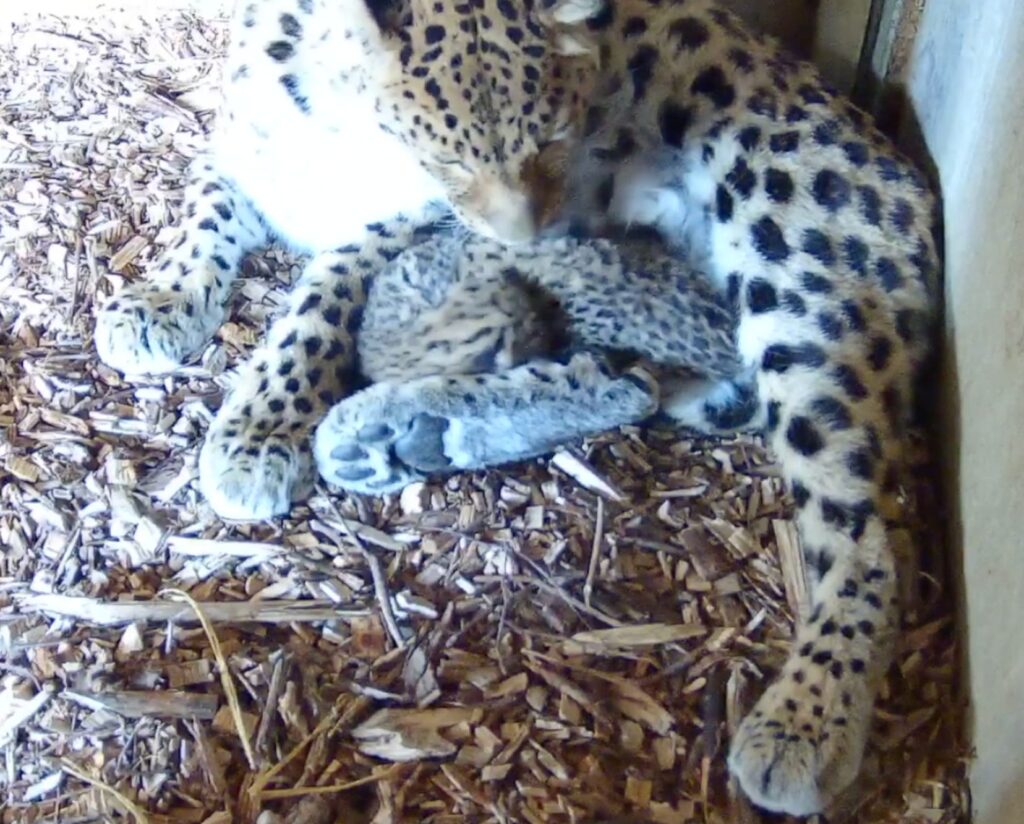
Meet Lewis and Ali, the park’s precious new arrivals
Amur leopards are among the most critically endangered species on the planet, so the birth of these cubs has been a huge cause for celebration. Visitors have already fallen in love with them, and now their names add an emotional layer to their story.
- Lewis - the male cub
- Ali - the female cub
These names weren’t picked for popularity, theme, or cuteness. They were chosen to honour two highly respected vets whose passion and dedication helped protect the Amur leopard species both in captivity and in the wild.
For guests visiting the Doncaster attraction, meeting Lewis and Ali feels even more meaningful now that their names represent real heroes of conservation and animal care.
A tribute to Dr John Lewis - a global authority on Amur leopards
The name Lewis is a direct tribute to Dr John Lewis, a world-renowned wildlife vet from Wildlife Vets International. His contribution to big cat conservation, especially the Amur leopard, was immense.
Yorkshire Wildlife Park’s Director of Animals, Dr Charlotte MacDonald, explained the choice:
“We are calling the male Lewis, after Dr John Lewis from Wildlife Vets International, who was an expert on Amur leopards, working on them in zoos around the world and in the wild. He was here for the launch of Leopard Heights in 2011 and also came and health-checked our first cubs before they went off to Cheyenne Mountain and France. He unfortunately passed in 2020.”
Dr Lewis’s impact on the park, and on the global conservation effort, was huge. Naming the cub after him ensures his legacy continues in the very species he worked so hard to protect.
Honouring “Ali” - a beloved friend and vet of the park
Though Yorkshire Wildlife Park hasn’t given full public details, it’s widely understood that Ali, the female cub, is named after another much-loved vet connected closely with the park.
These vets are the unsung heroes behind the scenes, the people who monitor pregnancies, treat injuries, respond to emergencies, and dedicate their lives to keeping animals healthy. Naming one of the rarest big cats on earth after such an individual is a powerful mark of respect.
Lewis and Ali, the vets, helped shape the park’s mission. Lewis and Ali, the leopard cubs, carry their names forward into the future.
Why these cubs matter so much
The arrival of Lewis and Ali isn’t just good news, it’s incredibly important for the species:
- Fewer than 100 Amur leopards remain in the wild
- They face extreme threats from poaching and habitat loss
- Every successful captive birth helps support the global backup population
- Yorkshire Wildlife Park is part of the carefully managed international breeding programme
Every new cub strengthens genetic diversity and increases the chances that this species can survive long-term. Their birth on 9 December 2025 marks another small but vital step in protecting one of the world’s rarest cats.
The legacy of Leopard Heights
The park’s success with Amur leopards dates back to Leopard Heights, the state-of-the-art enclosure opened in 2011, an event Dr John Lewis attended in person.
- The habitat was built to mimic the leopards’ natural forest environment
- It helped produce the park’s first cubs over a decade ago
- Dr Lewis himself performed their health checks before they travelled to new homes in the USA and France
Now, the newest cubs are growing up in the same space that helped Yorkshire Wildlife Park become a leader in Amur leopard conservation.
Lewis and Ali are not just adorable additions, they are living proof of what expert care, global collaboration, and passionate professionals can achieve.
Yorkshire Team
The Yorkshire.com editorial team is made up of local writers, content creators, and tourism specialists who are passionate about showcasing the very best of God’s Own Country. With deep roots in Yorkshire’s communities, culture, food scene, landscapes, and visitor economy, the team works closely with local businesses, venues, and organisations to bring readers the latest news, events, travel inspiration, and insider guides from across the region. From hidden gems to headline festivals, Yorkshire.com is dedicated to celebrating everything that makes Yorkshire such a special place to live, work, and visit.
View all articles →