Welcome to Yorkshire
Published on November 26th, 2025
•Thinking of taking a dip in one of Yorkshire’s rivers or heading to the coast for a swim? It is a brilliant way to spend a warm day, but before pulling on your swimming costume, it is worth checking how clean the water really is. The Environment Agency has just released its latest bathing water report, and the results are a bit of a mixed bag.
Most places are absolutely fine, but some swimming spots have slipped into the lowest category. The report, published on 25 November, shows that 80 percent of Yorkshire’s designated bathing waters are rated Excellent, Good or Sufficient. That leaves 20 percent with a Poor rating, a clear warning that the water quality might not be up to standard.
The spots with a ‘Poor’ rating
Four well known Yorkshire swimming spots received a Poor classification this year. This does not mean they are closed, but it is a sign that water quality has been consistently below expectations.
The locations are:
• Nidd at the Lido, Knaresborough
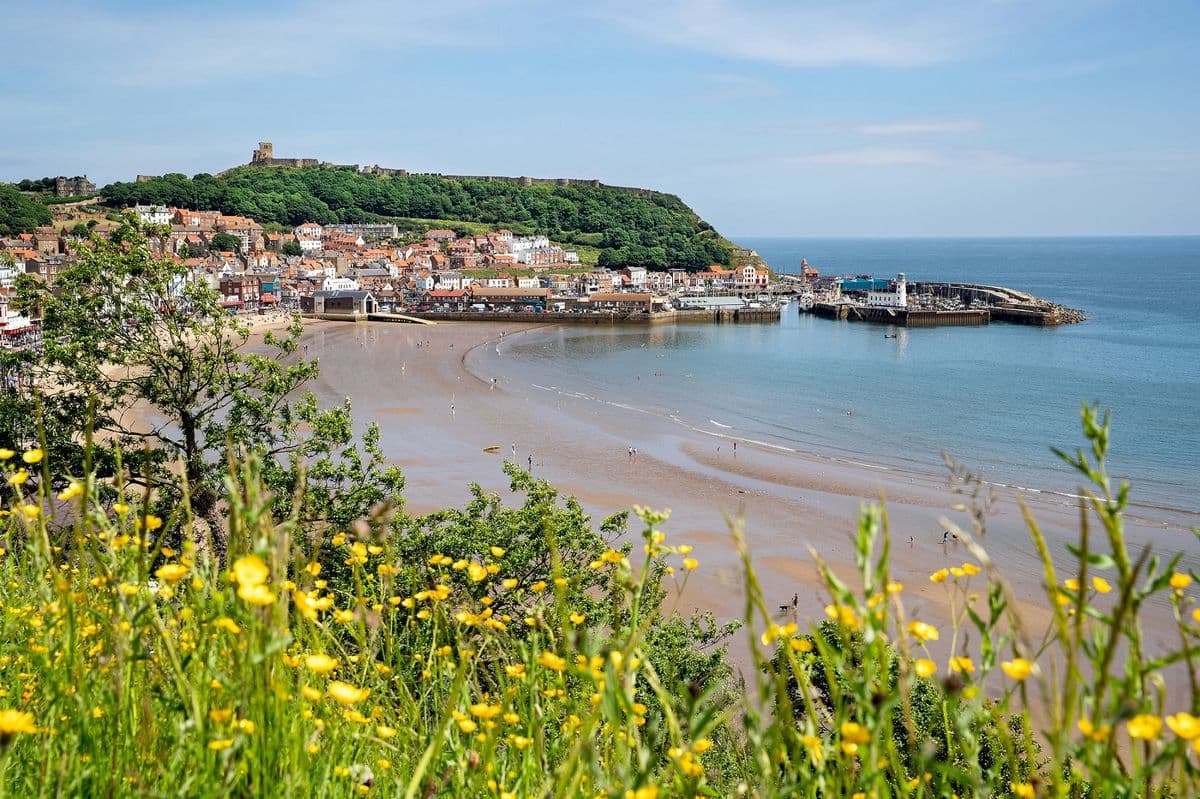
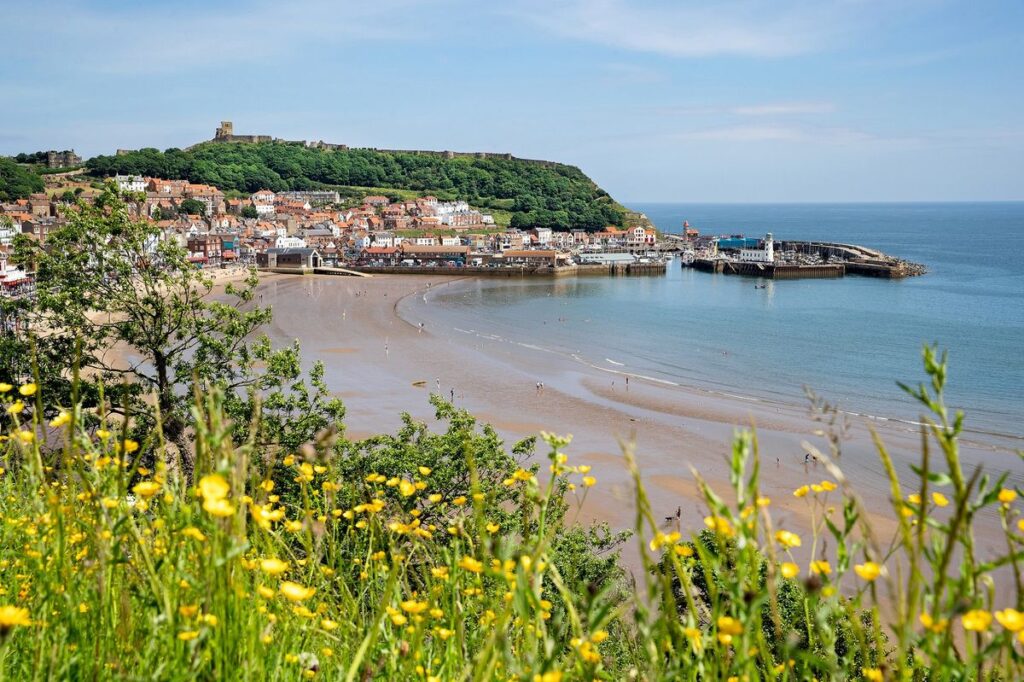
• Scarborough South Bay
• Wharfe at Cromwheel, Ilkley
• Wharfe at Wilderness Carpark
A Poor rating is based on water samples collected over four years. They are tested for bacteria linked to pollution. High levels across several seasons indicate an ongoing issue that needs attention.
A closer look at the situation in Scarborough
Scarborough is one of Yorkshire’s most iconic seaside towns, but Scarborough South Bay has been struggling with water quality for years. Even though it is still rated Poor, there is promising progress.
The Environment Agency confirmed that the water has shown clear improvement over the last two years. This follows a major investigation launched in 2024 involving North Yorkshire Council, McCain Foods Ltd, Yorkshire Water and the Environment Agency. Together, they set out to analyse the causes of pollution affecting both Scarborough South and Scarborough North.
Extensive sampling revealed that the pollution was coming from multiple sources. The water quality was being affected by contamination from humans, farm animals such as cows and sheep, and birds. Heavy rainfall also played a role, washing pollution down Scalby Beck and into the bay.
An Environment Agency spokesman said: “Although remaining classified as Poor this year, there has been an improvement in water quality over the last two years at Scarborough South. The Environment Agency will continue to work with partners to improve the water quality, which will lead to an improvement in official classifications.”
The rating takes time to catch up to the improvements, but the trend is definitely positive.
The complete Yorkshire bathing water rankings
It is not all doom and gloom. Many Yorkshire swimming spots have some of the cleanest water in the country. Here is how all the designated bathing waters are ranked this year:
Poor
Nidd at the Lido, Knaresborough; Scarborough South Bay; Wharfe at Cromwheel, Ilkley; Wharfe at Wilderness Carpark
Sufficient
Bridlington South Beach; Fraisthorpe; Robin Hoods Bay; Scarborough North Bay
Good
Bridlington North Beach; Filey; Redcar Coatham; Reighton; Runswick Bay; Saltburn
Excellent
Cayton Bay; Danes Dyke, Flamborough; Flamborough South Landing; Hornsea; Marske Sands; Redcar Granville; Redcar Lifeboat Station; Redcar Stray; Sandsend; Whitby; Wilsthorpe; Withernsea
Unassessed
Skipsea
It is encouraging to see so many coastal spots, especially around Redcar, achieving Excellent ratings.
New reforms to tackle water pollution
Zooming out to the national picture, there is a major push to improve bathing waters across England. Alan Lovell, Chair of the Environment Agency, said: “Bathing water quality in England has improved significantly over recent decades, and this year’s results show the continued impact of strong regulation, investment and partnership working.”
He acknowledged that there is more to do, pointing to new government reforms introduced on 21 November under updated Bathing Water Regulations. These changes are designed to be more practical. Instead of automatically removing a bathing site’s official status after five consecutive Poor ratings, the new rules focus on identifying workable solutions to restore water quality.
There will also be more flexibility in when water samples are taken, allowing monitoring to better reflect how people use rivers, lakes and beaches.
Emma Hardy, Water Minister, added:
“By ending automatic de-designation and bringing in more flexibility to when waters are monitored, we are creating a system that reflects how people actually use their local rivers, lakes and beaches.”
A further reform is planned for May 2026 to review the criteria for what qualifies as a designated bathing water. The aim is long term improvement, ensuring every swimmer can enjoy cleaner, safer water across the country.

Yorkshire Team
The Yorkshire.com editorial team is made up of local writers, content creators, and tourism specialists who are passionate about showcasing the very best of God’s Own Country. With deep roots in Yorkshire’s communities, culture, food scene, landscapes, and visitor economy, the team works closely with local businesses, venues, and organisations to bring readers the latest news, events, travel inspiration, and insider guides from across the region. From hidden gems to headline festivals, Yorkshire.com is dedicated to celebrating everything that makes Yorkshire such a special place to live, work, and visit.
View all articles →