Welcome to Yorkshire
Published on December 1st, 2025
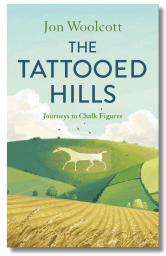
•Drive through the edge of the North York Moors and you’ll spot something striking on the hillside near Kilburn: a huge, gleaming white horse carved into the slope of Sutton Bank. It’s one of Yorkshire’s most distinctive landmarks and one of Britain’s most famous chalk figures—a tradition explored in a new book, The Tattooed Hills: Journeys to Chalk Figures.
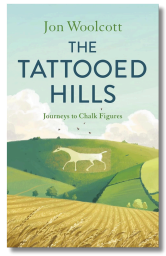
The book travels across Britain’s chalklands to uncover the meanings, folklore, and cultural identity behind these extraordinary hillside carvings. And while many people know the figures of southern England, the White Horse at Kilburn stands proudly as the North’s great contribution to this ancient and modern tradition of “tattooing” the landscape.
More Than a Picture on a Hill
Chalk figures—whether horses, giants or symbols—are known as geoglyphs: enormous designs created by cutting back turf to reveal the bright white chalk beneath. The White Horse at Kilburn may look timeless, but it’s actually a Victorian creation, cut in 1857 with the help of village schoolchildren and a local businessman inspired by the chalk horses of the south.
Though not prehistoric, its scale and boldness give it the same presence as older landmarks. And just like its southern cousins, the Kilburn Horse blends archaeology, land art and cultural storytelling. These chalk figures are not static images but evolving symbols of pride, identity and memory. They shift in meaning over time, becoming part of local character and landscape heritage.
The Tattooed Hills explores how these forms connect communities to their surroundings—from ancient chalk carvings to more recent creations that still spark imagination today.
From Giants to Horses – and Yorkshire’s Own Landmark
The book takes readers to famous chalk figures across Britain, including the Cerne Abbas Giant, the Westbury White Horse and the Long Man of Wilmington. But the White Horse at Kilburn offers something different: a northern iteration of a tradition more commonly associated with the chalklands of Wiltshire, Dorset and Sussex.
Carved at 314 feet long and 228 feet high, the Kilburn figure was deliberately created to stand out on the escarpment of Sutton Bank, visible from miles across the Vale of York. Unlike figures with more mysterious origins, we know exactly who made this one—but its story is no less fascinating. It reveals how communities continue to reinvent chalk art as a living expression of place.
The book highlights everything from ancient symbols to recently rediscovered carvings—even a modern chalk panda—showing the variety and eccentricity of the tradition. The White Horse at Kilburn fits neatly into this patchwork: a symbol of Yorkshire identity etched boldly onto the land.
A Landscape With Stories to Tell
Why carve a horse into a hillside? The answer is part pride, part artistry, part curiosity. Chalk figures like the Kilburn Horse turn hillsides into storybooks—landscapes that speak. They help root people to place, acting as local emblems seen by generations who pass beneath them.
The Tattooed Hills explores how these huge carvings serve as mirrors of society: reminders of the past, markers of local belonging, and symbols of the imagination. Each figure carries meanings that evolve over time, yet all share the same fundamental purpose—anchoring human history into the land itself.
In Yorkshire, the White Horse at Kilburn has long been both a beloved landmark and a signpost to the edge of the Moors. It stands not just as a carving, but as a cultural memory made visible.
The Guide to Britain’s Chalk Stories
Author Jon Woolcott leads this exploration with deep knowledge of the country’s chalk landscapes. Known for his writing in The Observer and the Guardian, and his work with Little Toller Books, Woolcott brings a sensitivity to place that makes these landscapes feel alive on the page.
His new book blends travel writing, folklore, archaeology and history, offering a beautifully written journey into Britain’s hillside carvings—including Yorkshire’s own spectacular White Horse.
The Tattooed Hills: Journeys to Chalk Figures will be published on 23 April 2026 in hardcover and eBook formats.

Yorkshire Team
The Yorkshire.com editorial team is made up of local writers, content creators, and tourism specialists who are passionate about showcasing the very best of God’s Own Country. With deep roots in Yorkshire’s communities, culture, food scene, landscapes, and visitor economy, the team works closely with local businesses, venues, and organisations to bring readers the latest news, events, travel inspiration, and insider guides from across the region. From hidden gems to headline festivals, Yorkshire.com is dedicated to celebrating everything that makes Yorkshire such a special place to live, work, and visit.
View all articles →