Welcome to Yorkshire
Published on January 6th, 2025
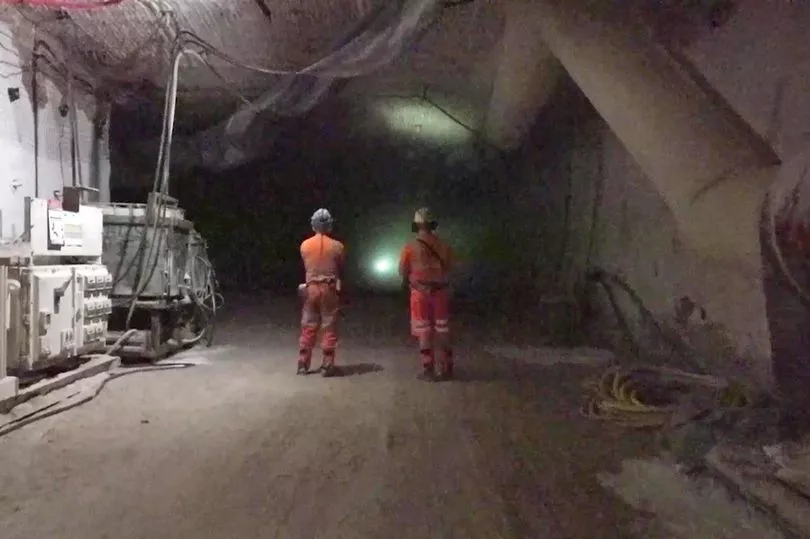
•When you see gritters spreading salt on icy roads during winter, you might not give it much thought. But did you know much of that salt comes from Boulby Mine, a vast network of tunnels deep beneath the Yorkshire coast? This is no ordinary mine—it's the UK's deepest and one of the few places in the country where road salt is produced. Let's dig (pun intended!) into the fascinating story behind it.
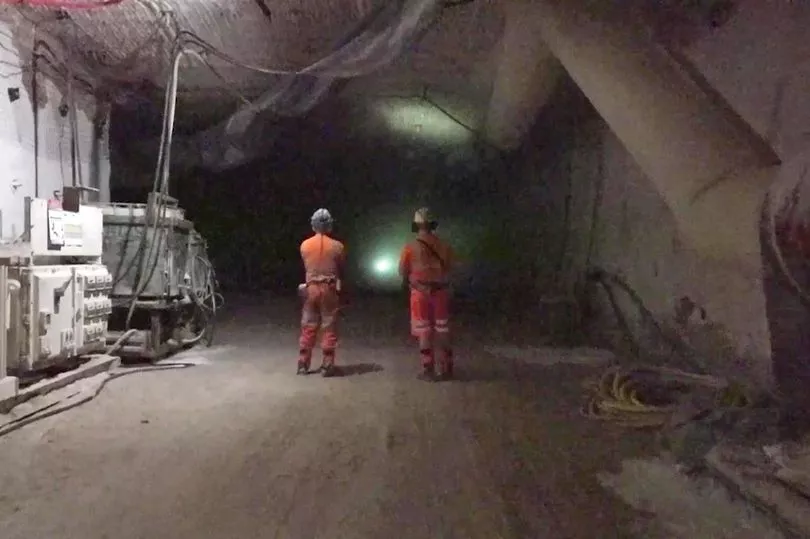
Image source: https://www.examinerlive.co.uk/news/local-news/inside-yorkshires-deepest-mine-road-30700688
A journey beneath the North Sea
Located near Staithes in North Yorkshire, Boulby Mine reaches more than a kilometre underground, making it not just a mining site but a unique part of Yorkshire’s landscape. Formed over 260 million years ago when a prehistoric sea evaporated, the rock salt deposits here have a geological history that's almost hard to wrap your head around.
Getting to work in this mine isn't like your average commute. Workers descend two main shafts, 1,100 metres deep, into hundreds of miles of roadways—some stretching up to 15 km beneath the North Sea. The furthest point takes about an hour to reach by Land Rover!
From potash to grit salt
Originally opened in the 1970s as a potash mine, Boulby was once the deepest mine in Europe. While potash is still extracted for fertilisers, the mine also produces vast amounts of rock salt, particularly during winter when icy roads demand it.
Chief geologist Thomas Edwards explains that most of the salt used by gritters across northern England comes from here. “When you see that salt on the roads—or the grime on your car—that’s 260-million-year-old dirt!” he quips.
A mine of epic proportions
The scale of Boulby Mine is incredible. Over the past 50 years, miners have dug out more than 1,100 miles of tunnels, creating an underground labyrinth stretching from Staithes to Skinningrove. Only 600 miles remain in active use, but that’s still more than enough to keep operations running for decades—or even centuries—according to Edwards.
Miners work around the clock, hauling salt in tough conditions where temperatures can hit a sweltering 40°C. It's a challenging job, but for veteran miner Paul Byrski, who has worked here for 34 years, the mine is like a second home. "I know the tunnels like the back of my hand," he says.
From mine to motorway
Once extracted, the salt is distributed to National Highways and local councils to keep roads safe. Darren Clark, National Highways' severe weather resilience manager, highlighted how essential this supply is during the winter months.
Each year, the UK’s road gritters use an average of 215,000 tonnes of salt on motorways and major roads. With storage barns holding 240,000 tonnes and emergency reserves of 90,000 tonnes, there’s no shortage of salt to combat hazardous conditions.
A scientific twist
Boulby isn’t just about salt and fertiliser. Thanks to its incredible depth and the thick kilometre of rock above, it’s also home to cutting-edge dark matter research. Scientists use the mine’s natural shielding from cosmic rays to search for this mysterious, invisible substance believed to make up much of the universe.
A winter lifeline
When the weather turns icy, and you hear that familiar hum of gritters on the road, remember the extraordinary journey of the salt beneath your tyres. It’s mined by hardworking people in a place that combines geology, history, and even a bit of cosmic science.
And if your car gets covered in a layer of winter grime? Just think of it as a sprinkle of Yorkshire’s ancient sea, keeping you safe one gritted road at a time!

Yorkshire Team
The Yorkshire.com editorial team is made up of local writers, content creators, and tourism specialists who are passionate about showcasing the very best of God’s Own Country. With deep roots in Yorkshire’s communities, culture, food scene, landscapes, and visitor economy, the team works closely with local businesses, venues, and organisations to bring readers the latest news, events, travel inspiration, and insider guides from across the region. From hidden gems to headline festivals, Yorkshire.com is dedicated to celebrating everything that makes Yorkshire such a special place to live, work, and visit.
View all articles →
Comments
0 Contributions
No comments yet. Be the first to start the conversation!