Welcome to Yorkshire
News • September 18th, 2025
|Some places are just famous for certain things, aren't they? Think of Sheffield and steel, or Liverpool and music. Well, in a town like Featherstone, the story is all about two things that go together like mud and a rugby pitch: mining and rugby league. It's a powerful connection that's woven into the very fabric of the place.
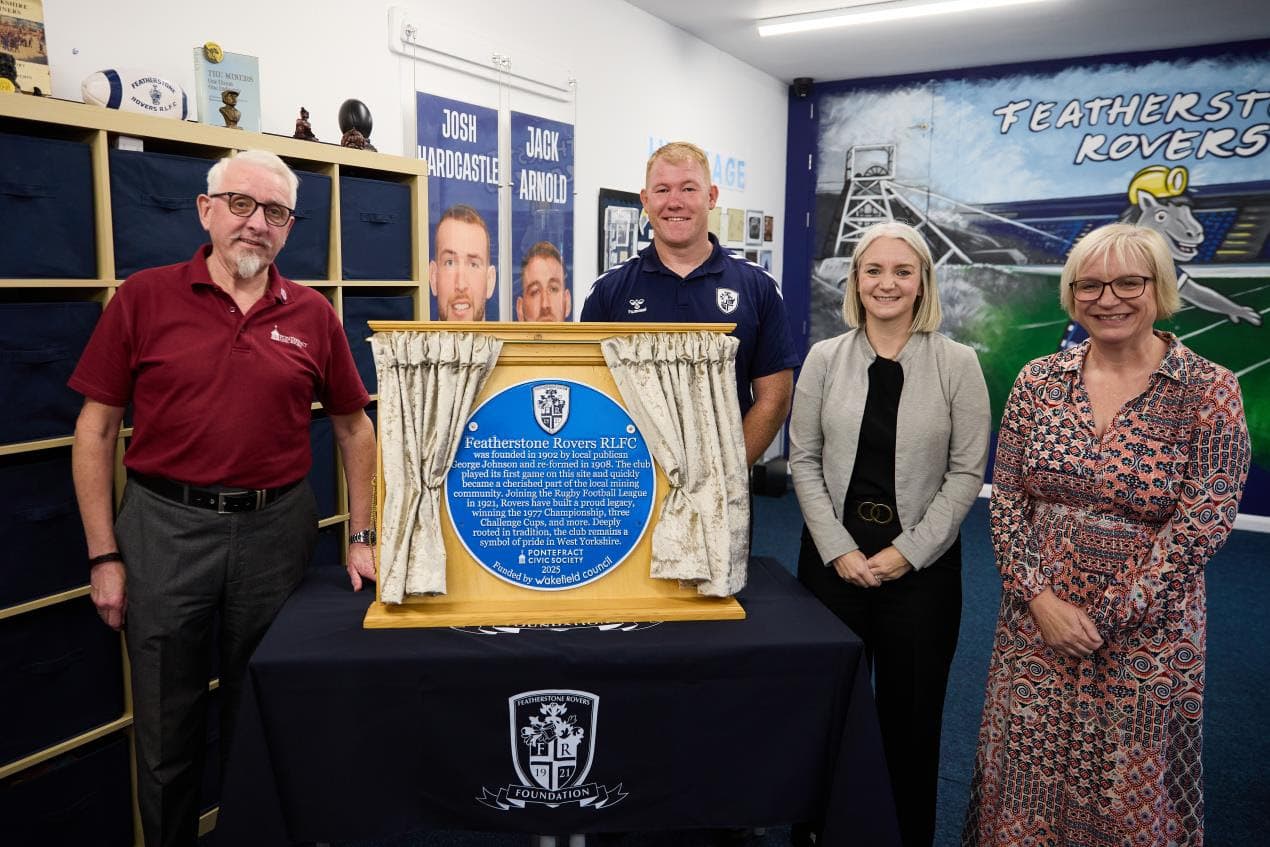
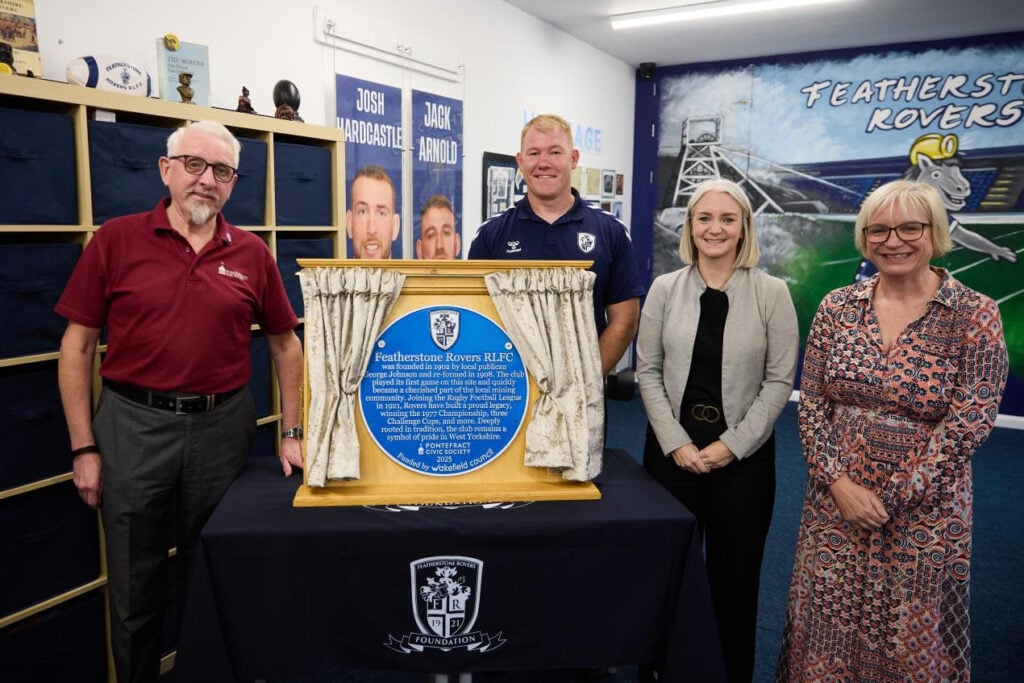
Now, thanks to a special project and some funding from Wakefield Council, that incredible heritage is being celebrated in a big way, making sure these stories of grit and community pride are remembered for generations to come. A brand new blue plaque has just been put up at Featherstone Rovers, marking a history that's as tough and resilient as the people who built the town.
More than just a game
Let's be honest, for many towns in the north, rugby league isn't just a sport. It's a way of life, a source of local pride, and a core part of their identity. This is especially true in Featherstone. The local club, Featherstone Rovers, is even nicknamed "The Colliers." That tells you everything you need to know, really. For generations, the men who spent their weekdays down the pits, covered in coal dust, would spend their weekends on the rugby pitch, covered in mud.
It was a tough life, and rugby was an outlet, a passion, and a way for the community to come together and cheer for their local heroes. This deep-rooted connection between the demanding world of mining and the tough sport of rugby is what gives Featherstone its unique character. It's a shared heritage built on hard work and resilience, a culture that shaped the town and its people. This isn't just ancient history; it's a living, breathing part of the local identity that the community holds dear. The pride in both the mining past and the rugby present is something you can feel just walking around the place.
A blue plaque for a bit of history
So, what's all this about a blue plaque? If you've ever walked around a city like London, you've probably seen them on buildings - little round signs telling you someone famous once lived there. A blue plaque is basically a special marker that says, "Hey, something important happened here!" It's a permanent nod to a place's history and its lasting impact on the world. And now, Featherstone Rovers has one of its very own. This isn't just any old sign; it's a symbol of the club's incredible history and its deep connection to the mining community. Getting a plaque like this doesn't just happen overnight.
This one was made possible through a Culture Grant from Wakefield Council. These grants are designed to provide funding for creative projects that make the local cultural landscape even better. Cllr Hannah Appleyard, who is Wakefield Council's Cabinet Member for Culture, Leisure and Sport, said: "I'm really pleased that we have been able to support this project through our Culture Grants. I know that the community is incredibly proud of the club and its history. To be able to connect people from different generations and backgrounds to explore this heritage is brilliant." Amanda Courtman, the Heritage Officer at Featherstone Rovers Foundation, also shared how much it means.
She said: "Thanks to this generous Culture Grant from Wakefield Council, we are proud to celebrate our rich heritage with the installation of a blue plaque, a symbol of our club's history and lasting impact on the community and rugby league." The Featherstone Rovers Foundation is the charity arm of the club, working to make a positive difference in the local area.
The Rugby Boots and Mining Roots project
The new blue plaque is just one part of a much bigger thing called the "Rugby Boots and Mining Roots" project. What a brilliant name, right? It perfectly captures that link between the pit and the pitch. This whole project is designed to dig deep into the history that connects Featherstone's mining roots with its passion for rugby. The idea is to preserve all those amazing stories, memories, and even old bits of memorabilia that define this special heritage. And it's not just about looking back. The project is actively getting local people involved through all sorts of creative activities. Think of it as a living history lesson, but way more fun than the ones at school. Here's a taste of what's happening:
- Oral History Sessions: This is where people sit down and just talk, sharing their memories. Imagine hearing directly from a retired miner about the roar of the crowd at a Featherstone Rovers game after a long week underground.
- Creative Writing and Poetry Workshops: People are getting the chance to turn those powerful stories into poems and short stories, capturing the feeling and emotion of the mining and rugby culture.
- Art and Craft Events: These workshops let people create visual art inspired by the town's heritage. Maybe it's a painting of the stadium or a sculpture made from old materials. These art and craft events are a great way for different generations to share their experiences.
All of these workshops and creative activities are about more than just making nice things; they are about keeping the community's identity alive for future generations.
Bringing everyone together
One of the best things about this project is its focus on community. It's designed to get everyone involved, especially people who might not normally go to a museum or join a traditional history group. It's about making heritage accessible and fun for all. A big part of this is making sure all the stories are told, not just the ones people already know. For example, the project is making a special effort to highlight the role women played in the rugby league world. Think about the mothers, wives, and sisters who supported the players, washed the muddy kits, and were the backbone of the community while the men were either down the pit or on the pitch.
Their stories are a huge part of this heritage, too. This whole effort strengthens the connection between people in Featherstone. By sharing these stories, the project helps younger generations understand what life was like for their grandparents. It builds pride in where they come from and creates a stronger, more connected community. It's about celebrating a shared identity and ensuring that the spirit of 'The Colliers' continues to thrive. To help with this, the Featherstone Rovers Foundation has even teamed up with the Pontefract Civic Society, showing a real commitment to celebrating the area's wider heritage and making a lasting impact.
Stories for the future
So, what happens to all these amazing stories and creations once the workshops are over? They won't just be packed away in a box. The plan is to create a digital exhibition, which is a fantastic way to share the heritage with the whole world. This online collection will be hosted at the National Coal Mining Museum and the Millennium Stadium, meaning anyone, anywhere can learn about the powerful bond between mining and rugby league in Featherstone. A digital exhibition is a brilliant idea because it means this heritage isn't stuck in the past.
It becomes a resource for future generations to learn from and be inspired by. It ensures the memories, the pride, and the culture of Featherstone have a lasting impact. This project isn't just about putting up a blue plaque; it's about building a living archive. It's about capturing the soul of a community and making sure the connection between rugby boots and mining roots is never forgotten. The Wakefield Council funding has truly helped to enrich the local cultural landscape, ensuring this unique story of rugby, mining, and community continues to be told.

Yorkshire Team
The Yorkshire.com editorial team is made up of local writers, content creators, and tourism specialists who are passionate about showcasing the very best of God’s Own Country. With deep roots in Yorkshire’s communities, culture, food scene, landscapes, and visitor economy, the team works closely with local businesses, venues, and organisations to bring readers the latest news, events, travel inspiration, and insider guides from across the region. From hidden gems to headline festivals, Yorkshire.com is dedicated to celebrating everything that makes Yorkshire such a special place to live, work, and visit.
View all articles →
Comments
1 Contributions