
Welcome to Yorkshire
News • October 9th, 2025
|Imagine just popping down to your local nature spot for a quiet afternoon, camera in hand, hoping to see a kingfisher or maybe even some otters. Then, something totally unexpected shoots across the sky. Something you can't quite place.
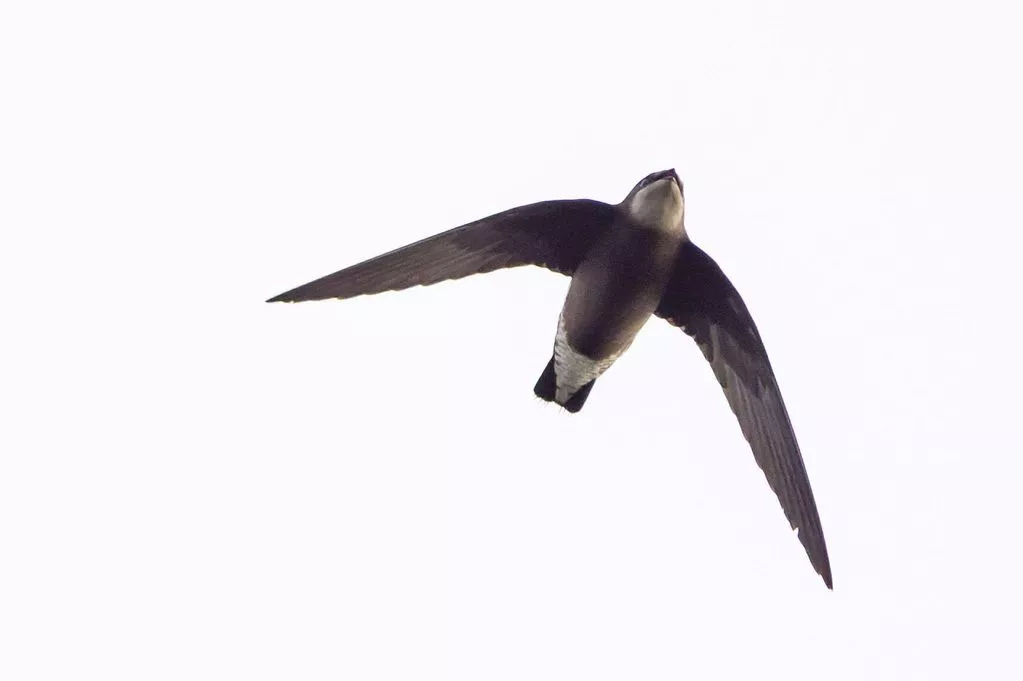
That's exactly what happened at an East Yorkshire nature reserve on October 8th, 2025, leading to a massive buzz in the birdwatching world. A white-throated needletail, an incredibly rare avian visitor, was spotted, marking the first sighting in England in over thirty years. It's the kind of thing that turns a normal Wednesday into a story people will tell for ages.
A what now? The lowdown on the white-throated needletail
So, what on earth is a white-throated needletail? Well, picture a swift - those super-fast, boomerang-shaped birds you see zipping about in summer, gobbling up insects. Now, imagine a bigger, even faster version that's supposed to be on the other side of the planet. That's pretty much it. This amazing species is native to the forests of Asia and spends its winters in Australia. It's famous for being one of the fastest birds in level flight, a proper feathered rocket.
To find one in Yorkshire is, to put it mildly, a bit of a shock. This specific sighting is a huge deal. It's the first time a white-throated needletail has been confirmed in England since 1991. And for Yorkshire, it's only the second sighting ever, with the last one being way back in 1985 near Ferrybridge. So, when this particular avian visitor decided to show up, it was practically a celebrity appearance. For a bird that should be in Asia or Australia, turning up in East Yorkshire is like a kangaroo hopping down your high street - it just doesn't happen.
An ordinary day at Tophill Low turns extraordinary
The whole thing kicked off on the afternoon of Wednesday, October 8th. Two visitors at the Tophill Low nature reserve, Mandy Gregory and Ray Maddison, were the lucky ones. They spotted a bird with "long saber-shaped wings and a bullet-shaped body" but couldn't figure out what species it was. It just didn't look like anything from around here. Thankfully, they snapped some pictures and took them to the people in the know.
Richard Hampshire, the lead nature reserve advisor, picks up the story: "They brought the images to me in the warden base and we quickly realised it was a very special and rare visitor for the UK." And what happened next was pure, brilliant chaos. "We got the news out on social media and became inundated with messages and calls. We had about 50 people turn up to the reserve within the hour." Just imagine the scene. One minute it's a peaceful nature reserve, the next it's the hottest ticket in town, with people scrambling for a glimpse of this rare bird. It shows just how exciting a rare sighting can be for wildlife lovers.
Not the first mega rare bird for this nature reserve
Funnily enough, Tophill Low, near Driffield, has a bit of a reputation for attracting lost superstars. This wasn't its first time hosting a rare species that had taken a wrong turn. Richard Hampshire notes that this white-throated needletail is probably the second-rarest bird to appear at the reserve in its 60-year history. So, what was the first?
That title goes to a spectacular Amur falcon spotted back in 2008, which was a first for Britain at the time. An Amur falcon is a small, dashing bird of prey that breeds in Siberia and migrates all the way to Southern Africa. Finding one in Yorkshire is beyond unusual. And it doesn't stop there. "Last year we also saw a pair of rare blue-winged teal, which are native to North America," Hampshire added. The blue-winged teal is a small duck, so a pair of them setting up shop, even temporarily, was another big surprise. It seems this spot in East Yorkshire is a magnet for the world's most directionally-challenged birds.
What makes Tophill Low so special for wildlife?
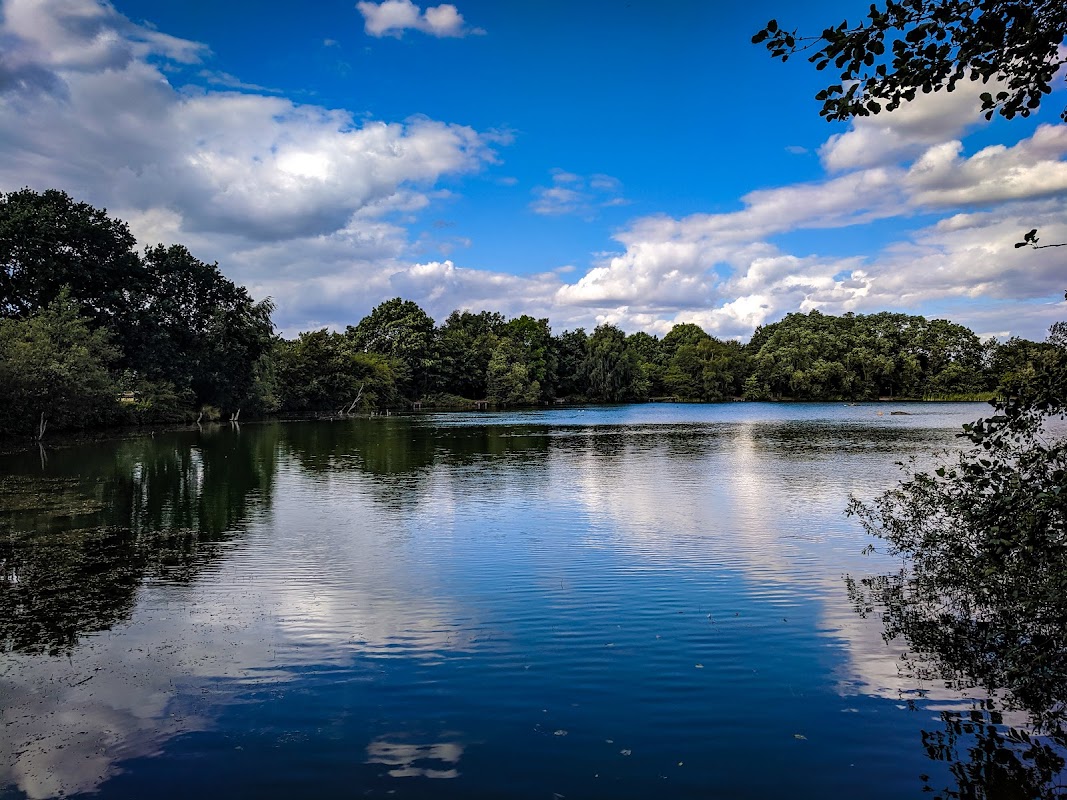
You might be wondering why this one nature reserve gets all the luck. Well, it's no accident. Tophill Low has been a working nature reserve for 30 years, managed with the backing of Yorkshire Water. Thousands of hours of volunteer work have gone into making it a perfect home for all sorts of creatures, which is a massive conservation success story. The team's hard work has paid off, creating a habitat where all kinds of species can thrive.
The list of regular residents is just as impressive as the rare visitors. The ongoing conservation work has led to some incredible breeding triumphs. Here's just a snapshot of the wildlife that calls this place home:
- Otters: Successful breeding programmes mean these playful mammals are a common sight.
- Birds of Prey: Majestic barn owls hunt over the grasslands.
- Waterside Wonders: Bright blue kingfishers flash along the water, there's a flourishing heronry, and the booming calls of bitterns (a very secretive type of heron) can be heard.
- Reptiles: You might even spot grass snakes basking in the sun.
- Rare Plants: The reserve is home to what might be the UK's strongest population of greater water parsnip.
All this life, from the otters to the countless insects, creates a rich and vibrant ecosystem. It's this healthy environment that makes it such an attractive pitstop for any tired avian visitor, no matter how far it has travelled.
The ripple effect of a rare sighting
The excitement wasn't just contained to Tophill Low. News of the white-throated needletail spread like wildfire. By the evening of October 8th, the bird had moved on and was seen again at RSPB Bempton Cliffs, another fantastic nature spot in East Yorkshire. Hundreds of people gathered there, all hoping to catch a glimpse of the special guest before it disappeared. This one sighting created a huge buzz across the county.
It's moments like these that highlight the magic of the natural world. A single, lost bird from Asia can bring hundreds of people together, all sharing in a moment of wonder. This rare sighting is a brilliant reminder of the incredible work being done in conservation at places like Tophill Low. This nature reserve in Yorkshire isn't just a home for otters, kingfishers, and barn owls; it's a place where the unexpected can, and does, happen.

Yorkshire Team
The Yorkshire.com editorial team is made up of local writers, content creators, and tourism specialists who are passionate about showcasing the very best of God’s Own Country. With deep roots in Yorkshire’s communities, culture, food scene, landscapes, and visitor economy, the team works closely with local businesses, venues, and organisations to bring readers the latest news, events, travel inspiration, and insider guides from across the region. From hidden gems to headline festivals, Yorkshire.com is dedicated to celebrating everything that makes Yorkshire such a special place to live, work, and visit.
View all articles →
Comments
1 Contributions