
Welcome to Yorkshire
Published on November 26th, 2025
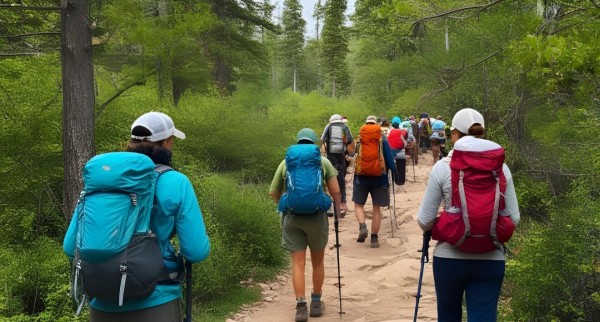
•Ever had that Sunday feeling? The sun is out, the sky is blue, and everyone has the exact same brilliant idea: let’s go for a walk in that gorgeous nature reserve everyone talks about. You get there, and the car park is bursting. The main path looks less like a tranquil trail and more like the queue for a ride at a theme park. It’s lovely to see so many people enjoying the great outdoors, but you can’t help but wonder if the nature itself is having such a great time. This growing problem, known as recreational pressure, is a real headache for beauty spots across Europe. The good news? A clever project is tackling this head-on, and it's a big talking point for the upcoming IBTC conference.
What on earth is a walking starter?
Right, let's get into it. The project causing all the buzz is called the Wandelstarter, which literally translates to “Walking Starter”. It’s an award-winning initiative that came out of the European MONA project, which is all about finding better ways for mobility and nature to coexist. The big idea behind the Wandelstarter is wonderfully simple. It asks a basic question: why does everyone drive for miles to the same handful of famous walking spots when there are probably lovely, quiet walks right on their doorstep they don't even know about?
But here’s the clever bit that sets it apart from other route platforms. Most apps and websites show you a map of the routes themselves. The Walking Starter flips that idea on its head. It focuses entirely on the starting points. Think about it. If you can tempt people to begin their walk from different, less obvious places, you naturally spread them out. Instead of one massive crowd funnelling through a single entrance, you have smaller groups of visitors dotted all over a much wider area. This simple shift is a game-changer for managing visitor flows and taking the recreational pressure off the most popular areas. It stops our beautiful nature reserves from turning into glorified parks, where delicate plants get trampled and wildlife gets spooked.
Does it actually work? Tales from Brabant and Antwerp
This isn't just a nice theory; the Wandelstarter is already making a difference on the ground. The system has been rolled out in the Dutch province of North Brabant and across the border in the Belgian province of Antwerp. In these regions, they’ve seen how strategically highlighting new starting points can gently guide visitors away from the usual honey-pot locations. It’s all about changing habits. People are creatures of habit; they go where they know. The Wandelstarter gives them an easy, appealing alternative.
Imagine living in the Brabant region. You might normally head for the famous dunes, but the Wandelstarter app could show you a quiet forest walk starting from a small village you’ve never visited. Suddenly, your Sunday walking experience is transformed. No more queues, no more crowded paths. It’s a win for the visitors, who get a more peaceful experience, and a massive win for nature, which gets a bit of breathing room. The success in the provinces of Brabant and Antwerp shows that this approach can effectively manage visitor flows without putting up fences or restricting access. It’s about smart persuasion, not heavy-handed rules, making it a fantastic model for other regions dealing with similar recreational pressure issues.
So, what’s the story at the IBTC?
The upcoming IBTC conference is putting this whole concept in the spotlight. It’s the perfect place to discuss big ideas about tourism, mobility, and protecting our environment. A special breakout session will be dedicated to the Wandelstarter, giving attendees a proper look at how it works. This isn't just a PowerPoint presentation; it's a chance to hear from the people who have made it happen. Fabio Tat of Brabant Partners, the main organisation behind the MONA project, will be speaking. He'll be joined by a representative from the Tourism Province of Antwerp. They’ll be sharing their real-world experiences – the successes, the challenges, and what they’ve learned along the way.
This is one of many engaging breakout sessions planned for the day. The IBTC programme is packed, aiming to give everyone a full picture of the latest trends and solutions. The day includes:
- Inspiring keynotes from leading figures in the industry.
- A variety of breakout sessions covering different topics.
- Roundtable discussions for a deeper dive into specific problems.
- Plenty of time for networking over lunch and drinks.
This particular breakout on the Walking Starter is a must-see for anyone interested in sustainable tourism. It promises a look at a practical solution that could be adapted and used anywhere. If you’re planning to attend, be sure to register before 15 December to guarantee your spot.
Why this is a bigger deal than just a walk in the park
At the end of the day, this is about more than just finding a quiet path for a weekend stroll. The success of the Wandelstarter points to a smarter way of managing our relationship with nature. As more people embrace walking for its physical and mental health benefits, the recreational pressure on our green spaces is only going to get worse. We can’t just shut these places down. So, we need clever, sustainable ways to manage the increasing number of visitors.
What the MONA project and the team in Brabant and Antwerp have shown is that small changes in how we present information can have a massive impact on behaviour. By shifting the focus from routes to starting points, they’ve found a key to unlocking the wider landscape and improving visitor flows. It’s a simple, respectful way to protect delicate ecosystems while still allowing people to enjoy the benefits of being outdoors. The discussions around the Walking Starter at the IBTC won't just be about a single project; they’ll be about the future of outdoor recreation and how we can all play a part in preserving the places we love to explore.
Yorkshire Team
The Yorkshire.com editorial team is made up of local writers, content creators, and tourism specialists who are passionate about showcasing the very best of God’s Own Country. With deep roots in Yorkshire’s communities, culture, food scene, landscapes, and visitor economy, the team works closely with local businesses, venues, and organisations to bring readers the latest news, events, travel inspiration, and insider guides from across the region. From hidden gems to headline festivals, Yorkshire.com is dedicated to celebrating everything that makes Yorkshire such a special place to live, work, and visit.
View all articles →