
Welcome to Yorkshire
News • September 3rd, 2025
|Ever thought about the invisible lines that decide which local councillor represents a neighbourhood? They're not just random squiggles on a map. These lines, known as boundaries, are super important for making sure local democracy is fair. And right now, for people across Yorkshire, these maps are being redrawn. The Local Government Boundary Commission, or LGBCE for short, is the independent body in charge of this massive job. It's their role to make sure that each councillor represents roughly the same number of people. Think of it like this: it wouldn't be fair if one councillor had to look after 5,000 residents while another, just next door, only had 500. The LGBCE's work ensures the system stays balanced, especially when populations change. And for big parts of Yorkshire, some significant changes and proposals are on the table.
Big changes proposed for North Yorkshire
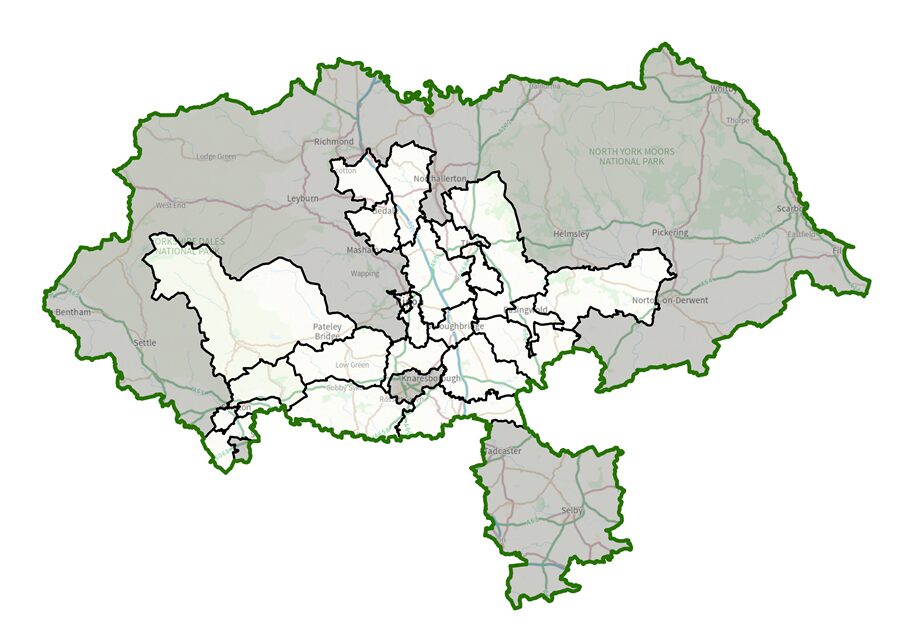
For those living in North Yorkshire, now is a really important time to pay attention. The Local Government Boundary Commission has been looking closely at the electoral map and has come up with some new proposals. Specifically, they're focused on new boundaries for 25 council divisions located in the central and western parts of the county. It's not a whole-map shake-up for everyone, just these particular areas. The main goal of these changes is to ensure the democratic arrangements in the area are fair and effective.
The LGBCE is proposing 25 divisions in central and western North Yorkshire, with each area being represented by a single councillor. After listening to what people said during earlier consultations, and even visiting the areas to see for themselves, the commission has made some big adjustments to its initial ideas. These include:
- Major changes in the Nidderdale, Washburn and Wharfedale areas, based on strong new evidence from the local community.
- Big revisions to divisions across central North Yorkshire, taking into account what people said and the actual geography of the land.
This isn't just about numbers; it's about making sure the new boundaries reflect how people live. Do neighbouring villages feel like one community? Do they share a local school or doctor's surgery? These are the kinds of things the proposals are trying to reflect. The whole point of these electoral arrangements is to make sure the council can work well for the people it serves. The final recommendations for the entire council are scheduled to be published on 14 January 2026, so these last bits of feedback are vital.
How people can have their say in North Yorkshire
This is the final chance for people in the affected parts of North Yorkshire to share their thoughts. A final six-week consultation on the new proposals kicks off on 2 September 2025 and will run until 13 October 2025. The Local Government Boundary Commission is very keen to hear what local residents and organisations think about the recommended divisions.
Andrew Scallan CBE, the Deputy Chair of the LGBCE, put it plainly:
"We are publishing further recommendations for a new pattern of divisions across central and western North Yorkshire, and we are keen to hear what local people think of the recommendations. We want people in central and western North Yorkshire to help us. We have drawn up final proposals for new divisions in central and western North Yorkshire. We want to make sure these new electoral arrangements reflect communities. We also want them to be easy to understand and convenient for local people. Residents and local organisations have already helped us in refining our earlier proposals. Now we would like them to let us know whether they agree with our proposals before we take final decisions. "It's easy to get involved. Go to our website. Or you can e-mail or write to us. Just tell us what you think and give us some details why you think that. It's really simple, so do get involved"
Getting involved is straightforward. People can send an email with their thoughts on the proposals at reviews@lgbce.org.uk, and by post:
The Review Officer (North Yorkshire)
LGBCE
7th Floor
3 Bunhill Row
London
EC1Y 8YZ
This consultation is a chance for the community to directly influence its local electoral map, ensuring the final arrangements make sense on the ground. Every piece of feedback helps the LGBCE make the best possible final recommendations.
A new map is final for the East Riding of Yorkshire
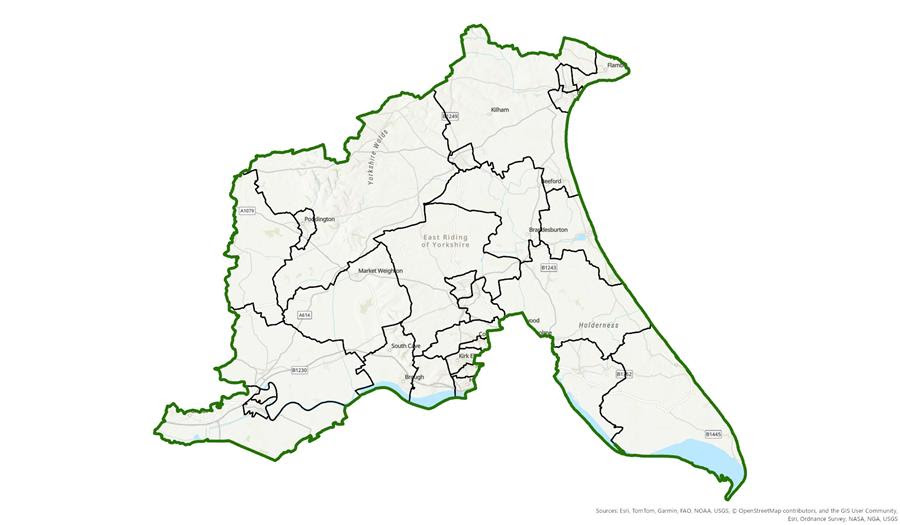
While North Yorkshire is still in the consultation phase, things are a bit further along in the East Riding of Yorkshire. The LGBCE has published its final recommendations for new council ward boundaries across the area. After a lot of research and listening to local people, a new political map is set. This means the boundaries of most wards will change, though seven will stay the same as they are now.
So what does this actually mean? Here are the key changes for the East Riding council:
| Feature | Current Arrangements | New Arrangements |
|---|---|---|
| Total Councillors | 67 | 67 (no change) |
| Total Wards | 26 | 28 |
| Ward Types | A mix of one, two, and three-councillor wards | 17 two-councillor wards and 11 three-councillor wards |
These new arrangements for the wards are designed to deliver 'electoral fairness'. Basically, it brings the number of voters per councillor back into balance. The changes were heavily influenced by feedback from local people. The LGBCE received 145 comments during its consultation, which helped shape these final recommendations.
What these changes mean for the East Riding
The feedback from local people made a real difference to the final map for the East Riding. For instance, the original proposals for the wards around Elloughton-cum-Brough were completely redrawn after people provided new evidence about the community links in that area. Another example is the Weighton & Holme ward, which will now be a three-councillor ward. This change happened because people showed that nearby parishes like Sancton and Goodmanham have strong ties to Market Weighton.
Professor Colin Mellors, the Chair of the Commission, praised the public's involvement:
"We are very grateful to people in the East Riding of Yorkshire. We looked at all the views they gave us. They helped us improve our earlier proposals. We believe the new arrangements will deliver electoral fairness while maintaining local ties."
These changes aren't happening overnight. The new boundaries first need to be approved by Parliament. Once that happens, staff at the East Riding council will work to make sure everything is in place for the local elections in 2027. It's a great example of how local knowledge from ordinary people can shape the future of a community and its local council representation.
The big picture: why do these local boundaries matter?
Redrawing electoral lines might sound a bit dull, but it's the foundation of a fair local democracy. Whether it's the final recommendations for the East Riding or the new proposals for the central and western parts of North Yorkshire, the goal is the same. The Local Government Boundary Commission aims to create sensible boundaries that a local community can recognise.
The system works best when each councillor represents a similar number of people and when wards or divisions reflect genuine community ties. These reviews ensure that as towns grow and villages change, the electoral arrangements keep up. The final map in the East Riding of Yorkshire and the ongoing consultation in North Yorkshire show that the views of local people are a massive part of the process. It's about making sure that your local councillor is truly local, representing a community that makes sense to the people who live there. So, whether it's via email or post, having a say on these proposals helps shape democracy right on your doorstep.
Yorkshire Team
The Yorkshire.com editorial team is made up of local writers, content creators, and tourism specialists who are passionate about showcasing the very best of God’s Own Country. With deep roots in Yorkshire’s communities, culture, food scene, landscapes, and visitor economy, the team works closely with local businesses, venues, and organisations to bring readers the latest news, events, travel inspiration, and insider guides from across the region. From hidden gems to headline festivals, Yorkshire.com is dedicated to celebrating everything that makes Yorkshire such a special place to live, work, and visit.
View all articles →


