
Welcome to Yorkshire
History • January 10th, 2025
|One of many of its type found throughout the North York Moors, the site of Whorlton Castle, situated near Swainby, dates back to the 12th century when it began as a Norman motte-and-bailey fortification. Strategically positioned on the western edge of a spur of the Cleveland Hills, the structure provided a commanding view over the surrounding landscape, underscoring its defensive importance following William the Conqueror’s Harrying of the North.
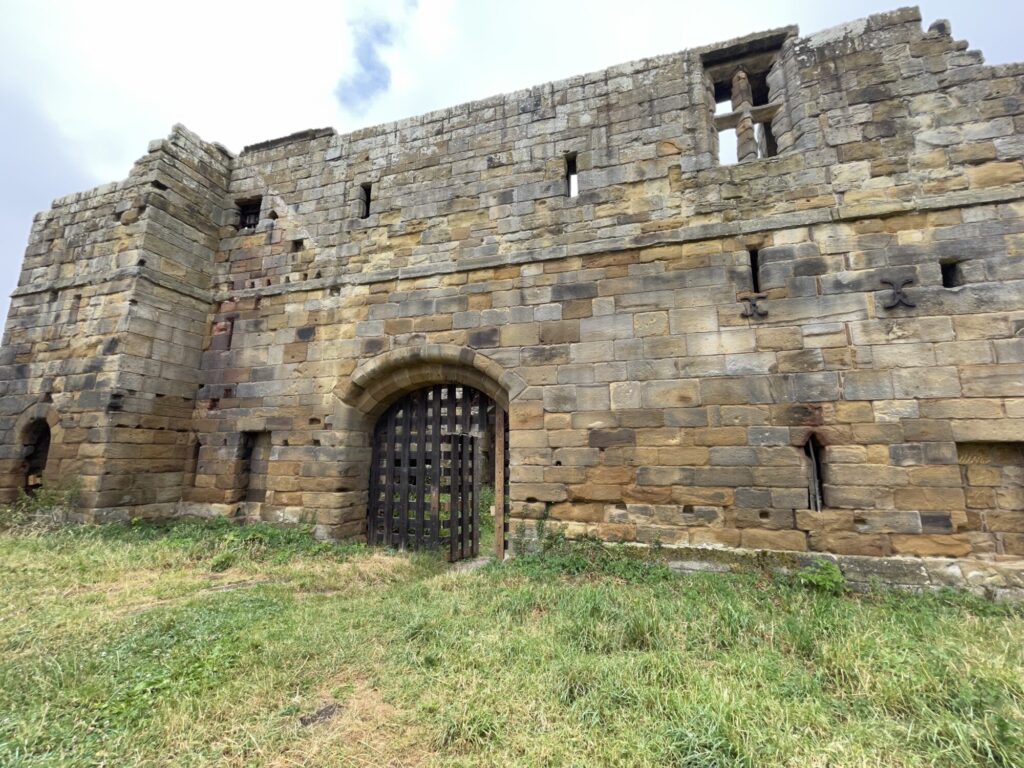
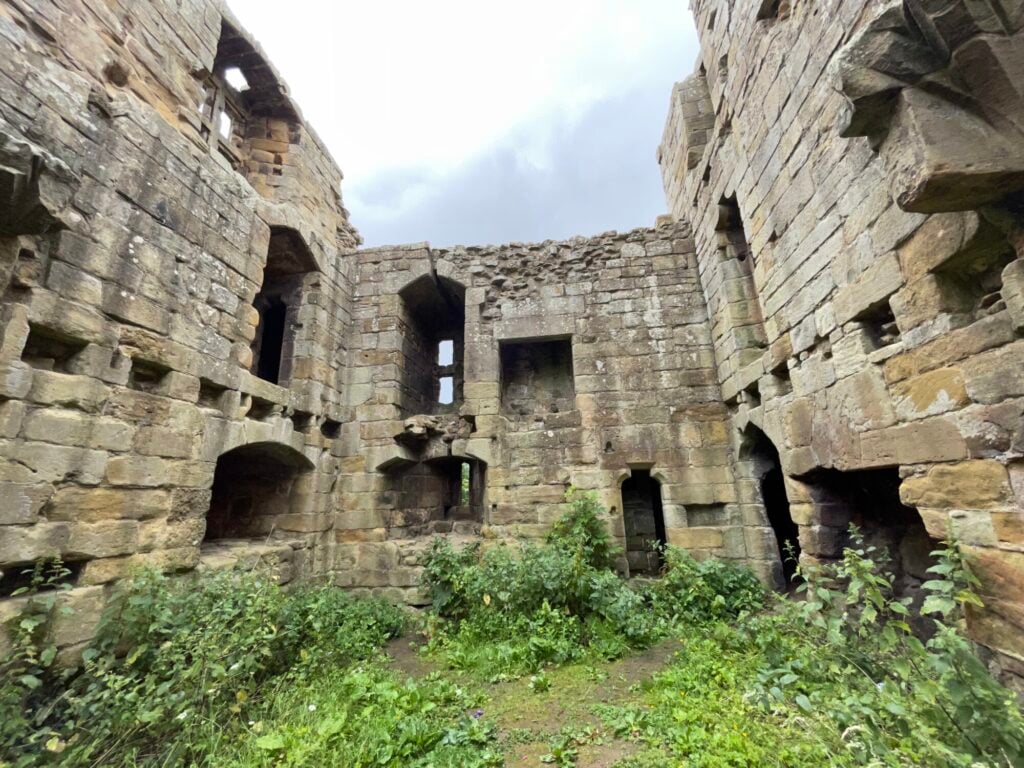
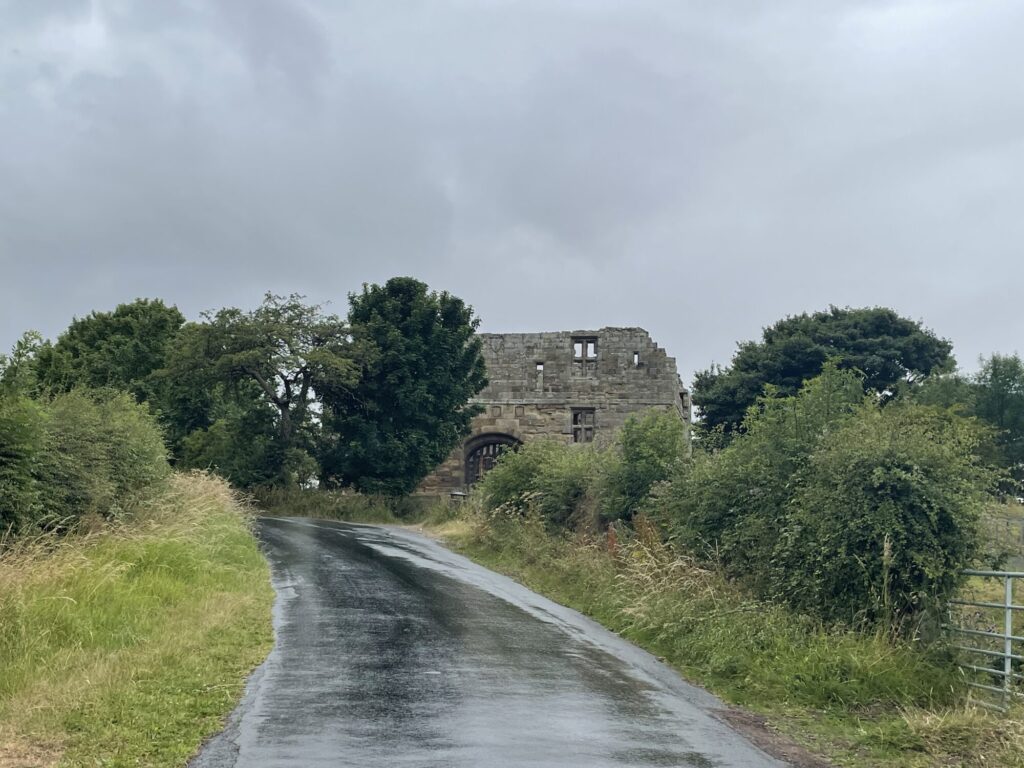
The initial wooden structure was replaced by a fortified stone tower house in the 14th century, when it passed into the ownership of Lord Darcy of Knaith in 1343, as was common for Norman castles transitioning to a more permanent architectural form. A prominent feature from this era is the gatehouse, which remains the castle's most striking remnant. This was attached to a surrounding defensive curtain wall through which an inner ward was accessed. The vaulted sandstone undercroft of the main tower house, located c.20m west of the gatehouse, also highlights the advanced architectural techniques of the period. There are, in addition, an abundance of earthworks nearby relating to the deserted medieval village of Whorlton and the ruined 12th-century Holy Cross Church, whilst the castle site itself features the remains of rare and unusual late-medieval gardens which include remains of a complex water-management system created for the supply of large fishponds.
Whorlton Castle passed through several noble families over the centuries, including the de Meynells, the Darcys, and the Constables, each leaving their mark on the estate. By the 16th century, the castle's role shifted from a defensive structure to a stately home. However, like many such estates, Whorlton Castle fell into decline. By the 17th century, it was largely abandoned though a house was constructed on the grounds and in use for about a century. Its materials were later scavenged for other building projects.
Today, Whorlton Castle is a scheduled monument and the gatehouse is a Grade I listed building, its layered history and architectural features continuing to illustrate the passage of time in North Yorkshire’s rural landscape.
Address: Whorlton Castle, Castle Bank, Northallerton DL6 3EA, UK
Books by Dr Emma Wells
Emma Wells
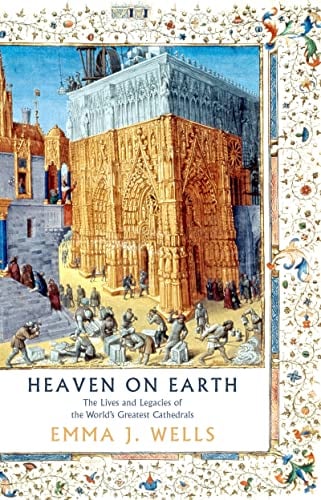
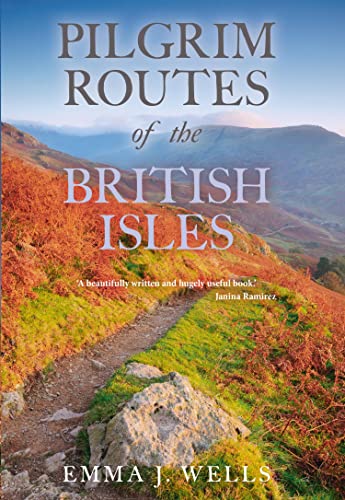
Dr Emma Wells has appeared as a historian on Yesterday, Curiosity Stream, Viral History, From the Dales to the Sea – A Great British Story, and as a ‘Don’ on BBC Radio 4’s The 3rd Degree and much more. Her first book, Pilgrim Routes of the British Isles, was released in 2016, and her most recent book Heaven On Earth: The Lives & Legacies of the World’s Greatest Cathedrals, was published in 2022.
View all articles →
