
Yorkshire Team
News • February 18th, 2026
|Imagine not being able to go to school. Not because of a simple cold, but because of something much bigger. Maybe it's ongoing medical needs, or maybe the noise and crowds of the classroom just feel overwhelming. For many children, this is a daily reality, leading to them feeling left out and falling behind. But in Wakefield, something quite brilliant is happening. An initiative is using innovative technology not just to help kids keep up with algebra, but to help them feel like part of the group again, boosting their wellbeing and making the idea of school a lot less scary.
What's this clever tech all about?
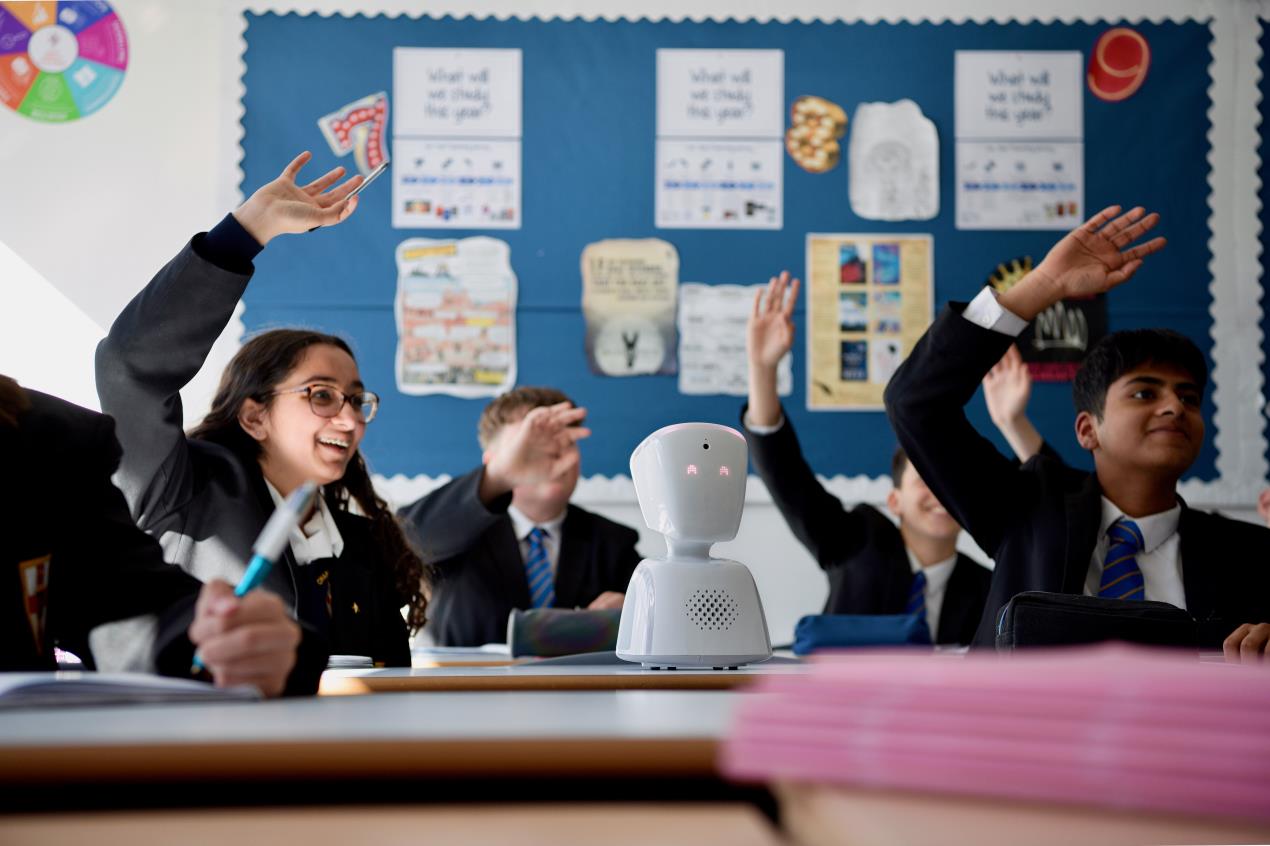
On 17 February 2026, news broke about a pilot scheme that has been quietly changing lives across the district for the past year. At the centre of it all are little robots called AV1s. Now, when people hear 'robot', they might think of something from a sci-fi film, but these are a bit different. Think of them as a personal avatar, a small, friendly-looking stand-in that sits on a desk in the classroom. The student who is at home can log into the robot from a tablet or phone. They can see and hear everything the teacher says, look around the classroom, and even speak through the robot to answer a question or chat with friends. It's their eyes and ears in the school, without them having to physically be there.
This clever idea is about giving children a choice. For those dealing with long-term medical needs or mental health challenges, it provides a bridge back to education. Over the last 12 months, 21 of these AV1 robots have been sent out to various Wakefield schools, offering a new way for children to stay connected. It’s a perfect example of how innovative technology can be used for something truly positive, helping to tackle the isolation that can come with missing school. The scheme has proved so successful that there are now plans to see how it can help in other places, not just the classroom.
Real stories from real schools
It’s one thing to talk about technology, but it’s another to see the impact it has on actual children. At St John’s C of E Primary School, one Year 3 pupil was finding it incredibly difficult to attend. Her attendance was just 3%. The school decided to try an AV1 robot to help with the process of reconnecting with her learning and her classmates. The results were amazing. By September, her attendance had shot up to 76%. She wasn't just tuning in for lessons; she used her robot to 'go' to the summer fair and even cheered on her brother at his end-of-year performance. She was back in the loop.
Sarah Jackson, a teacher and SENDco at the school, explained how it worked. “It gave her access to the classroom without the sensory overload or social pressure. She could listen, join in quietly and just start reconnecting.” This highlights how the robot can lower the barriers for children who find the school environment overwhelming. It’s not just about academics; it's about reducing anxiety and rebuilding confidence at a pace that feels safe.
Another success story comes from The King’s School in Pontefract. A student there used an AV1 robot to ease back into mainstream school. It allowed her to access lessons in a way that felt manageable, avoiding the social pressure that can make returning to school so tough. In just three months, she was able to return to class full-time. This kind of innovative technology is a game-changer for tackling emotionally based school avoidance, giving young people a stepping stone back to their peers and their education.
Tackling the big challenges for young people
There are so many reasons why a child might not be in school. Some face significant medical needs that require long periods of rest or hospital stays. Others grapple with mental health challenges, where anxiety can make leaving the house feel impossible. Then there's something experts call emotionally based school avoidance, which is more than just not wanting to go to school; it's a genuine difficulty in attending due to emotional distress. These are complex problems that need creative solutions, and that's exactly what this project in Wakefield schools provides.
Cllr Margaret Isherwood, Wakefield Council’s Cabinet Member for Children and Young People, shared her thoughts on the scheme. “It is amazing to see this new technology being implemented to assist our district’s children and young people. There are many reasons why a child might not attend school, but that doesn’t mean that they are not still entitled to learn and stay connected. The AV1 robots allow children to still join in with lessons and activities, even if they are not there.” The project acknowledges that a one-size-fits-all approach doesn't work for education. For some children, the typical school day can bring on sensory overload, where the lights, sounds, and general busyness become too much to handle. The robots provide a buffer, a way to engage without being overwhelmed, which is vital for their wellbeing.
Looking beyond the classroom walls
The success of the AV1 robots in Wakefield schools has sparked a new idea. What if this technology could help children connect outside of lesson time too? A new trial is now underway to introduce the robots to SEND youth groups and other activities. This is all about fostering friendship and supporting personal development. Being able to join a youth club remotely could make a huge difference to a young person who is unable to leave home. It’s another step in reducing isolation and promoting a sense of belonging.
For children and young people, social interaction is a massive part of growing up. It’s how they learn, build confidence, and develop their identity. When medical needs or mental health challenges get in the way, it can have a big impact on their personal development. By expanding the scheme to include SEND youth groups, the council is showing a real commitment to the overall wellbeing of its young residents. It’s about making sure every child has the chance to be a child, to hang out with friends and have fun, no matter what challenges they face. Reconnecting with social circles is just as important as reconnecting with school work, and this innovative technology is helping to make that happen.
Images for this article (hosted on S3):
Featured Image: https://copiq-2026.s3.eu-west-2.amazonaws.com/smart-images/10b38534-0208-474d-9d59-6440187e1f03.jpg
Supporting Image 1: https://copiq-2026.s3.eu-west-2.amazonaws.com/smart-images/e2d8e52b-7e58-4d40-9ef7-7582174880f4.jpg
Yorkshire Team
The Yorkshire.com editorial team is made up of local writers, content creators, and tourism specialists who are passionate about showcasing the very best of God’s Own Country. With deep roots in Yorkshire’s communities, culture, food scene, landscapes, and visitor economy, the team works closely with local businesses, venues, and organisations to bring readers the latest news, events, travel inspiration, and insider guides from across the region. From hidden gems to headline festivals, Yorkshire.com is dedicated to celebrating everything that makes Yorkshire such a special place to live, work, and visit.
View all articles →


