
Welcome to Yorkshire
News • September 12th, 2025
|Ever been stuck waiting for a bus that feels like it's never going to show up? Or had to buy three different tickets just to get across town using a bus and a train? It's a common headache, but big changes are on the horizon for public transport in West Yorkshire.
A huge chunk of cash, around £40 million, is set to be approved to get the ball rolling on a massive new transport project. This isn't just about a few new bus routes; it's a complete rethink of how people will get around the region, aiming to connect everything up into one seamless system.
What is this 'Weaver Network' all about?
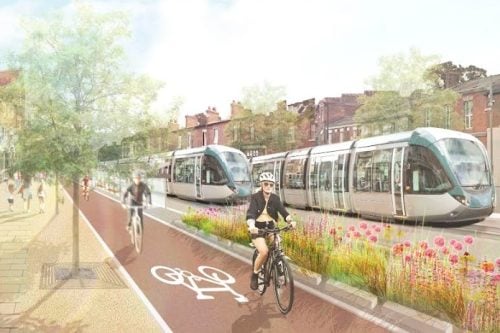
Think of the future of travel in West Yorkshire as a giant, perfectly woven web. That's the idea behind the "Weaver Network." It's a plan to create a fully integrated transport system where everything just... works together. This means trams, buses, and trains will all link up smoothly, making it simple to hop from one to the other. The plan even includes better connections for walking and cycling routes, pushing for more sustainable travel options.
At the heart of this new network are two major changes. The first is a brand-new Mass Transit system. In simple terms, this means trams. Think of the modern, efficient tram services you see in cities like Manchester or Sheffield; that's what's being planned for West Yorkshire. The second big change is something called bus franchising. This is a game-changer for the local bus service. It means that instead of private companies deciding where buses go and how much tickets cost, the local Combined Authority will be in charge. This should lead to a publicly-run service that's designed around what passengers actually need.
Mayor of West Yorkshire, Tracy Brabin, explained the vision for this new integrated network:
"We are creating a transport system that works for everyone, making it easier for people across the region to access jobs, leisure and loved ones.
"The Weaver Network will deliver seamless and reliable connections - making sustainable travel the first choice in the region.
"By working together, we can build a greener, better-connected West Yorkshire that leaves no one behind."
A new era for local bus services
So, what does bus franchising actually mean for your daily commute? Right now, most bus services are run by private bus operators who compete with each other. Under the new plans, the West Yorkshire Combined Authority will take control. They'll set the routes, timetables, and fares for all bus services that run solely within the region. The goal is to create a more logical and reliable bus network that serves communities better, rather than just focusing on the most profitable routes. This new publicly-run bus service is planned to be rolled out in three phases between April 2027 and October 2028.
But what about buses that travel across the border to other regions, or special services for football matches and concerts? That's where permits come in. The Combined Authority will issue special permits to bus operators to run these types of services. This allows them to be properly integrated into the main West Yorkshire network without causing chaos. A detailed consultation is planned to iron out all the fiddly bits. This technical consultation will figure out exactly how these permits will work, ensuring all transport services can operate together smoothly. This ongoing work is key to the success of the entire Weaver Network.
What does £40 million actually pay for?
It's easy to hear a big number like £40 million and imagine bulldozers starting work tomorrow. But this funding is for something just as important: the detailed planning and development that happens before any building can start. A final decision on approving this money will be made at a full Combined Authority meeting on 18 September, 2025. If it gets the green light, the cash will be used to keep the Mass Transit project on track for a 2028 start date.
Here's a breakdown of the essential work this funding will cover:
- Technical and Environmental Assessments: Experts will study the proposed tram routes in detail. This involves carrying out environmental assessments to understand the impact on local nature and communities, and making sure the technical side of the planning is sound.
- Building the Business Case: Before the central government hands over the hundreds of millions needed for construction, it needs to see a rock-solid plan. This funding will help progress the business case, which is basically a massive document proving the project is well-thought-out, value for money, and deliverable.
- Getting Government Approval: The project is hoping to soon be accepted into the government's Major Projects Portfolio (GMPP). Think of this as the list of the UK's most important infrastructure projects. Getting on this list is a huge step and shows the government is taking the scheme seriously. A key review is scheduled for this month to move that forward.
This careful planning work is vital for a regional project of this scale, ensuring the final transport network is fit for the future.
When is all of this work happening?
Big infrastructure projects don't happen overnight, and there are several key dates to keep in mind as this ambitious plan for a new transport network unfolds. The journey involves a lot of consultation, planning, and getting the right approvals from the government.
| Date | Milestone |
|---|---|
| September 2025 | A key assurance review is scheduled as part of the process to get the project into the government's Major Projects Portfolio. |
| 18 September 2025 | The West Yorkshire Combined Authority will make a formal decision on the £40m funding for the next stage of development work. |
| April 2027 - October 2028 | The new, publicly-run franchised bus service is set to be rolled out across the region in three distinct phases. |
| By 2028 | If all the planning, assessments, and the business case get approved, the aim is to have "spades in the ground" and start construction on the Mass Transit system. |
This investment is a major step forward. It's about laying the groundwork for a modern, reliable, and integrated public transport system that could transform how people live and work in West Yorkshire for decades to come. The upcoming decision is a big one for the future of the regional transport network.
Yorkshire Team
The Yorkshire.com editorial team is made up of local writers, content creators, and tourism specialists who are passionate about showcasing the very best of God’s Own Country. With deep roots in Yorkshire’s communities, culture, food scene, landscapes, and visitor economy, the team works closely with local businesses, venues, and organisations to bring readers the latest news, events, travel inspiration, and insider guides from across the region. From hidden gems to headline festivals, Yorkshire.com is dedicated to celebrating everything that makes Yorkshire such a special place to live, work, and visit.
View all articles →


