
Welcome to Yorkshire
History • January 24th, 2025
|A drive through Hornby Castle Park is a drive through the picturesque. As the modern road winds straight through the former estate, everyone can enjoy the talents of Lancelot 'Capability' Brown and William Mason who modified the former medieval hunting park into a pleasure ground for Lord Holderness in the 1770s.
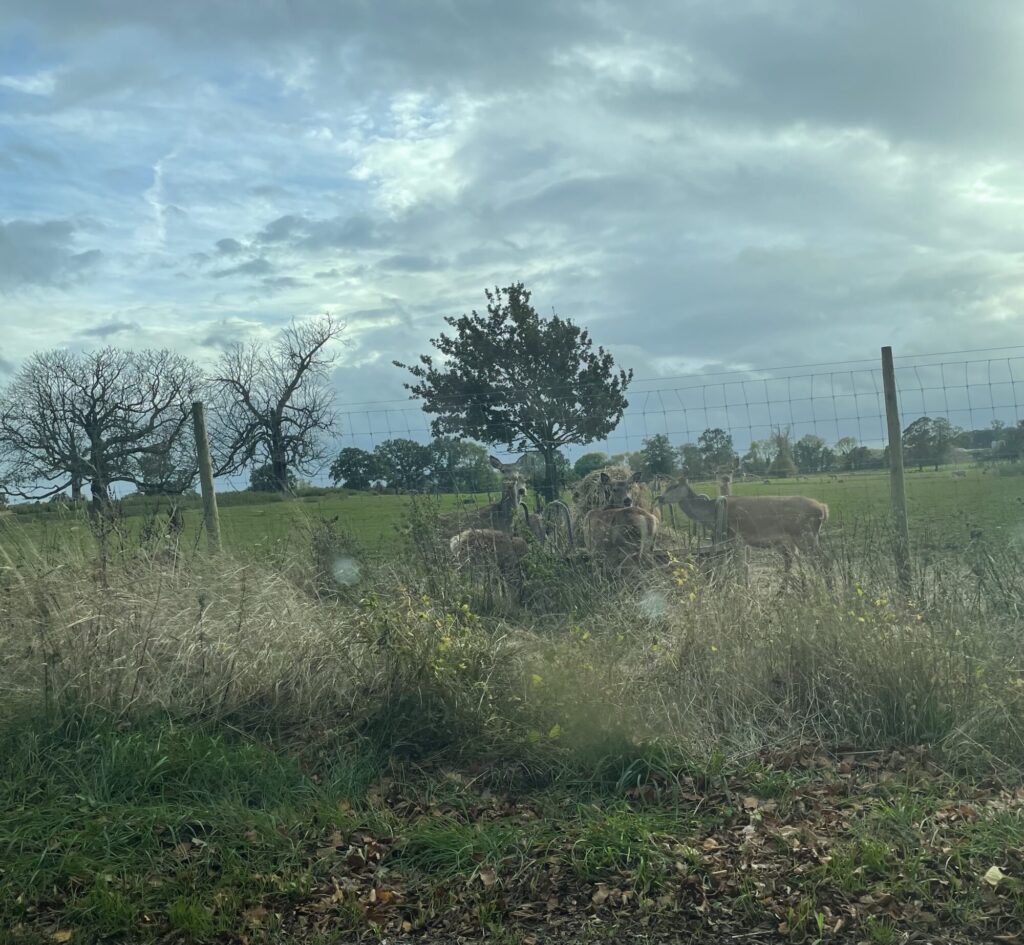
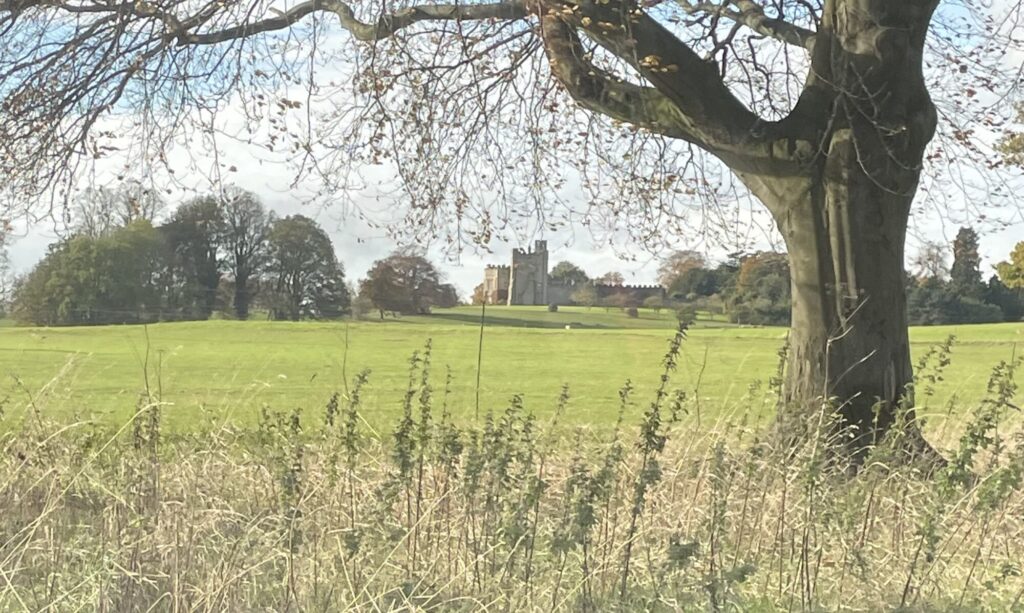
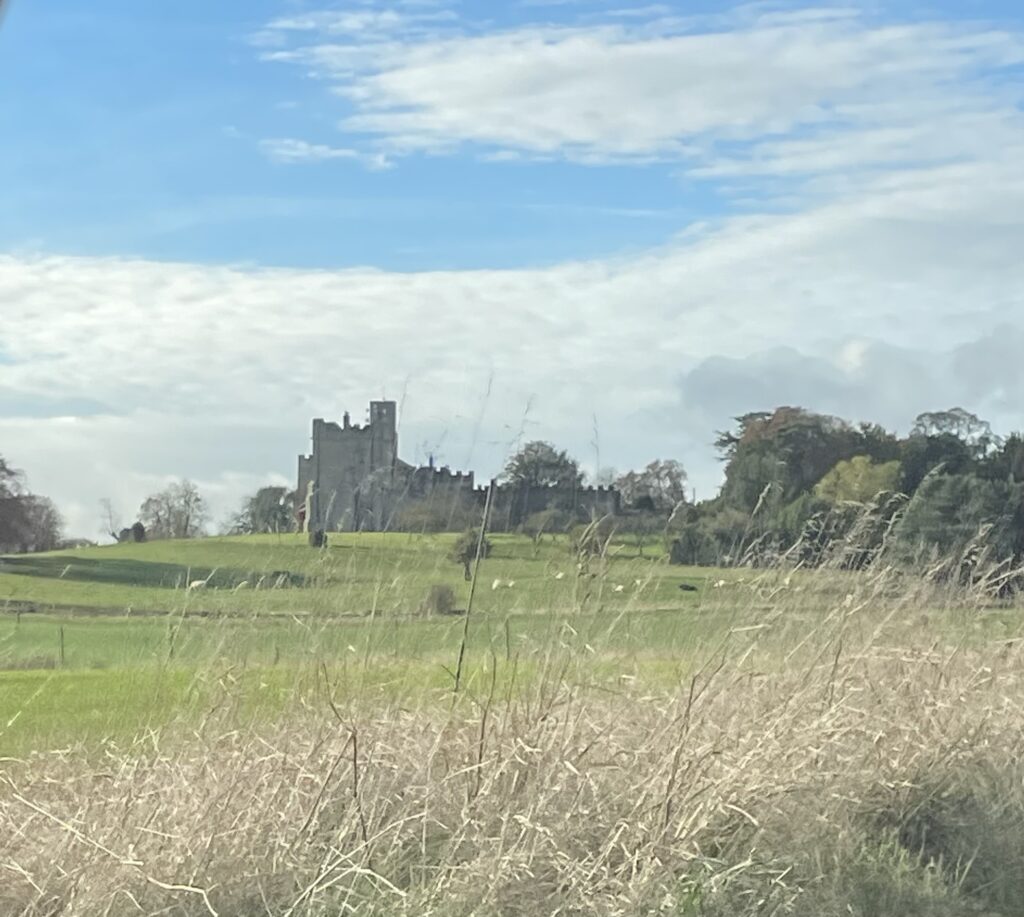
The origins of Hornby Castle date back to the 14th century when it was first established as a fortified manor house initially held by the St Quintin family. After passing by marriage to the Conyers family later that same century, it was two centuries following that a manor house styled as a quadrangular castle was thought to have been built by William, the first Baron Conyers.
The most notable addition from this period was the great tower, which became a defining feature of the castle's silhouette. William Conyers was a key noble in the north, having married Anne Neville, daughter of the 3rd Earl of Westmorland, who is thought to have used Hornby as his principal residence.
The site however flowered, both literally and metaphorically, in the 1630s when the 4th Lord Conyers participated in tulipomania as documented by the survival of extensive lists of tulips, notes and bills.
The castle underwent the most significant changes in the 18th century under the stewardship of the politician Robert Darcy, the 4th Earl of Holderness. As an active supporter of Lancelot Brown, whom he had employed to landscape Syon Hill in Middlesex, he also appointed notable York architect John Carr to remodel the south and east ranges.
In the 19th century, the castle was acquired by the Osborne family, the Dukes of Leeds. When the family seat became Hornby for the 6th Duke and his family, the Gothic fashion for upgrading parkland occurred, with the creation of a menagerie with peacocks, pheasants and an eagle house.
Later that century, eminent architect, designer, artist and critic Augustus Pugin was even invited to produce designs for a remodelling and enlargement of the castle. Unfortunately, he suffered a mental breakdown whilst staying at Hornby thereby preventing the work from commencing.
By the early 20th century, the estate was forced to be broken up and sold off to clear
gambling debts amassed by the 10th Duke. Demolition of much followed. Today, the castle is
privately owned and not open to the public, but its exterior continues to captivate visitors and
historians alike.
Address: Hornby, Bedale DL8 1BF, UK - apporach from Hackforth or Arrathorne
Books by Dr Emma Wells
Emma Wells
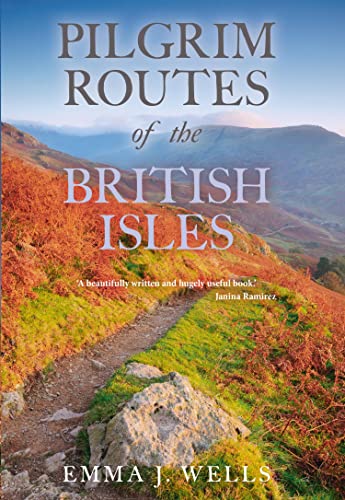
Dr Emma Wells has appeared as a historian on Yesterday, Curiosity Stream, Viral History, From the Dales to the Sea – A Great British Story, and as a ‘Don’ on BBC Radio 4’s The 3rd Degree and much more. Her first book, Pilgrim Routes of the British Isles, was released in 2016, and her most recent book Heaven On Earth: The Lives & Legacies of the World’s Greatest Cathedrals, was published in 2022.
View all articles →


