
Welcome to Yorkshire
History • April 2nd, 2024
|In 1769, the ‘omnipotent magician’ Lancelot ‘Capability’ Brown decided to pound the Howardian Hills towards the East of Yorkshire to turn the ‘dull, flat country’ around Burton Constable as he saw the potential in improving the landscape. Working with owner William Constable, a celebrated art and plant collector and patron of the arts who formed a Cabinet of Curiosities (or at-home museum), and spent a fortune rebuilding the manor, together they created a large lake and bridge, a ha-ha and introduced many varieties of trees into the once dubbed ‘vast naked…’ park.
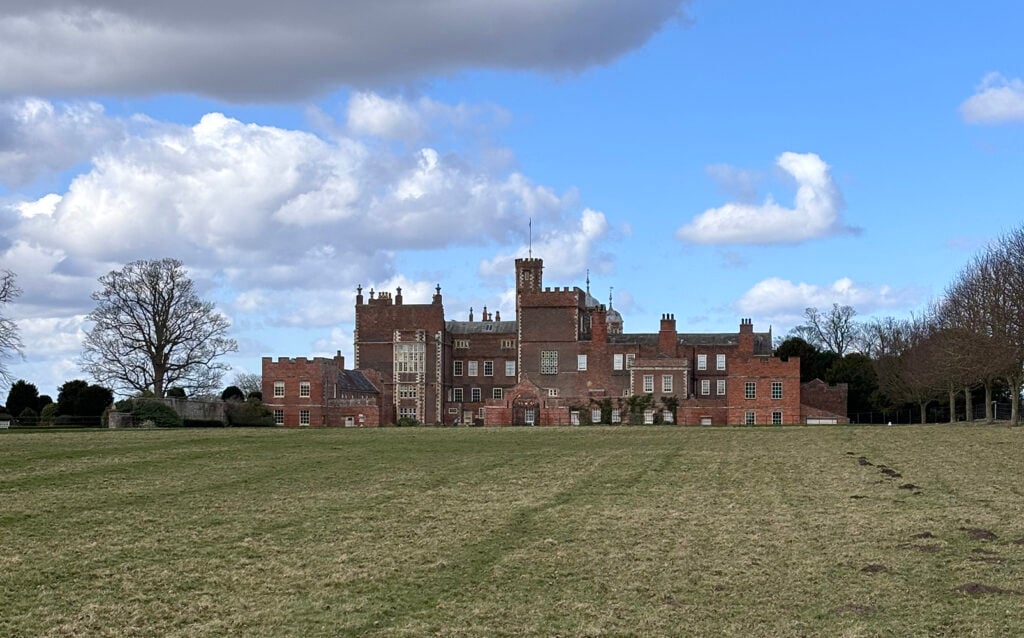
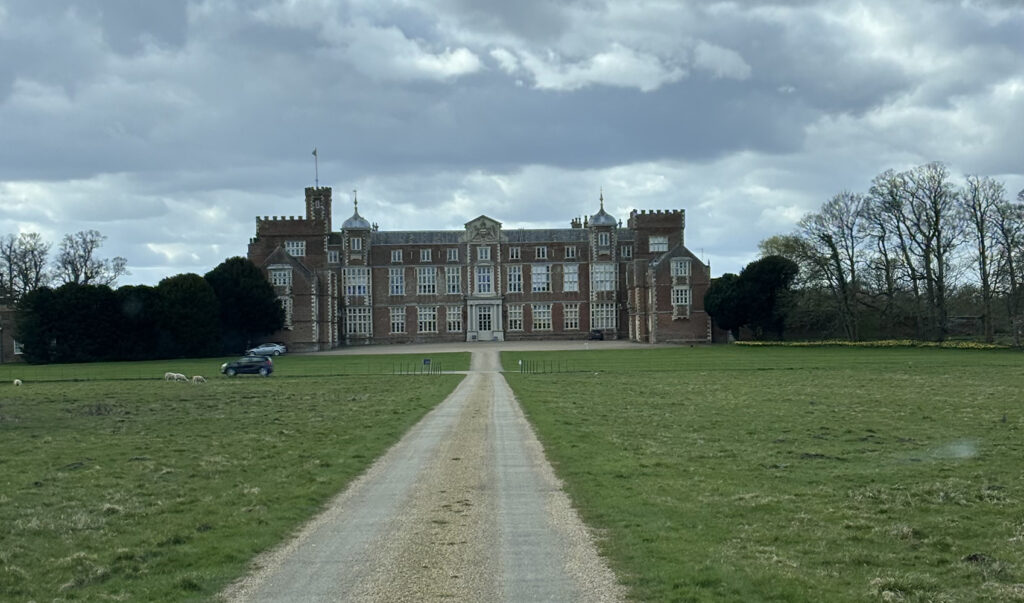
Yet Brown’s influence on the hall did not end in the garden. Back in the late 1750s, he had formalised designs for the interior of the Great Hall (an Elizabethan room that once rose to the full height of the house) and though they were not applied, his designs did have influence. William Constable instead employed some of the leading craftsmen of his day, including James Wyatt and Thomas Chippendale to create a glorious interior offering visitors a fascinating glimpse into the cultural landscape of 18th and 19th-century England.
The history of the hall, however, goes back centuries earlier. Its origins can be traced to the 13th century when the Constable family inhabited the manor of Burton. Some surviving fabric is purported to date to the late Norman era though a new red brick-built dwelling was constructed in the late 15th century then demolished in the 1560s when John or Sir Henry Constable constructed a new Elizabethan mansion of ‘greater beauty’. This new build approximately H-shaped in plan featured ranges arranged around a garden courtyard with a great hall, a parlour and great chamber and a south wing with a further tower that echoed that of the earlier north tower that remained from the former house.
Famed for its interior spectacle known as the Chinese Room, it features Chinoiserie furnishings and wallpaper supplied by Chippendale in 1783. Outside, beside the house, are also the remains of the deserted medieval village of Burton Constable between which is a lengthy channel, the former moat that embraced the original medieval hall. And there’s one more gem: within the stable block lays the skeleton of the Burton Constable Whale, a sperm whale that died after becoming stranded at nearby Tunstall in 1825. So famed did it become, Herman Melville referred to it in his novel Moby Dick (#ad).
Books by Dr Emma Wells
Emma Wells
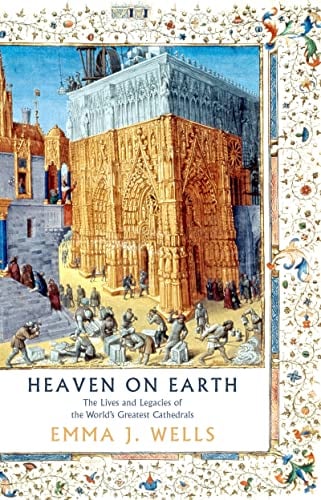
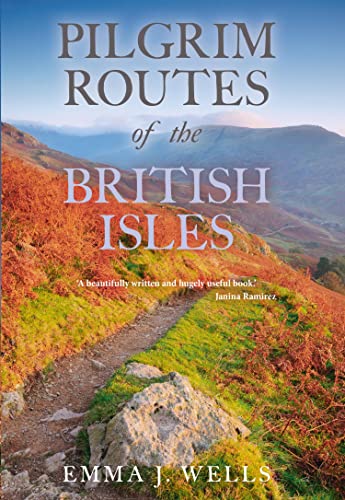
Dr Emma Wells has appeared as a historian on Yesterday, Curiosity Stream, Viral History, From the Dales to the Sea – A Great British Story, and as a ‘Don’ on BBC Radio 4’s The 3rd Degree and much more. Her first book, Pilgrim Routes of the British Isles, was released in 2016, and her most recent book Heaven On Earth: The Lives & Legacies of the World’s Greatest Cathedrals, was published in 2022.
View all articles →


