
Discover Clayton
Clayton is a village located in the BD14 postcode area and is part of West Yorkshire, England. Governed by Bradford Council, it has a population of around 9,000. Known for its historical roots, Clayton features heritage sites that reflect its rich past, attracting visitors interested in local history.
Explore the map below to discover accommodation, attractions, restaurants, and live events across Clayton. Scroll down to browse featured listings and plan your perfect visit.
Stay in Clayton

Butterfly Cottage

Lime Vale House by Lavender Stays


place for professionals


Things to Do in Clayton

Emmerdale Classic Locations Bus Tour from Leeds

Leeds Tourist Information Centre

West View Park
West View Park in Ilkley offers tranquil green space, refreshing walks, and beautiful views at the foot of Ilkley Moor.
Browse by Type
Food & Drink

Guiseley Lounge
Discover Guiseley Lounge in Leeds, a highly-rated restaurant serving delicious food in a welcoming setting.

Royd Cafe
Royd Cafe in Brighouse offers a welcoming spot for a satisfying breakfast and hot drinks, praised for its friendly service.

The Midland Restaurant and Grill
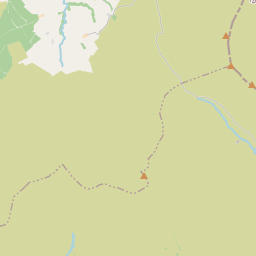
Interactive Map
View accommodation, attractions, restaurants, and events on the map
Geographic Facts
This village is geographically within the following regions:
- Population
- 9,180
- Postcode
- BD14
- Administrative area
- Bradford
- Dialing code
- 01274
Data sourced from Wikidata and verified public records
Upcoming Events in Clayton
View All Events in Clayton →

Walkshire in Clayton
More Walks in Clayton →
Walk: Brontë Way
The Brontë Way is a scenic and literary trail that winds through the rugged landscapes of West Yorkshire and into Lancashire, offering a journey into the world of the Brontë sisters—Charlotte, Emily, and Anne. The trail is a tribute to the Brontës' enduring legacy, inviting walkers to immerse themselves in the history, culture, and evocative landscapes that shaped the authors and their stories. Route What3Words: ///valley.stem.vibrates Distance: 44 miles (71 km) Start: Oakwell Hall, Nova Ln, Birstall, Batley WF17 9LF Finish Location: Gawthorpe Hall, Burnley Rd, Padiham, Burnley BB12 8UA OS Walking Map & GPX Download Our OS map below shows the full route. Under the map, you can find a GPX file download for your navigational device. bronte-way-routeDownload Walk Description As you journey along this trail, you'll encounter various locations, each with a unique connection to the Brontës. Below is an overview of the key points along the route, highlighting their significance to the Brontë legacy. Oakwell Hall, Nova Ln, Birstall, Batley WF17 9LF Oakwell Hall is a striking Elizabethan manor house that served as the inspiration for "Fieldhead" in Charlotte Brontë's novel Shirley. The hall is steeped in history, with its well-preserved interiors offering a glimpse into the kind of environment that Charlotte imagined for her characters. The trail then goes through Birstall, a quaint village near Oakwell Hall. Gomersal Gomersal is where Charlotte Brontë’s close friend, Mary Taylor, lived at the Red House. The house and its surroundings played a significant role in Charlotte's life and were also immortalized in Shirley as "Briarmains." The Brontë Way then skirts past Cleckheaton. Cleckheaton was a bustling mill town during the Brontës' time. Liversedge Liversedge is where the Brontës’ friend, Ellen Nussey, lived. The town is mentioned in letters between Charlotte and Ellen, revealing the close-knit connections between the Brontë sisters and their circle of friends. The Brontë Way then passes through Hightown. Thornhills Thornhills was once the home of the Taylor family, friends of the Brontës. The area captures the essence of the moorland settings often depicted in their novels, providing a backdrop to the Brontë sisters' stories. The walk then goes through Bailiff Bridge, Shelf, Westwood Park and Clayton. Thornton Thornton holds significant importance as the birthplace of the Brontë sisters. The village is where Patrick and Maria Brontë raised their family before moving to Haworth. The Brontë birthplace, now a museum, is a must-visit site for anyone on the trail. The route then passes through Keelham, past Thornton Moor Reservoir, Leeming Reservoir and Oxenhope. Haworth Haworth is the heart of Brontë country, where the Brontë Parsonage Museum is located. This village was the Brontës' home from 1820 and is where they wrote most of their works. Walking through Haworth, visitors can explore the church, the parsonage, and the surrounding moors, all integral to the Brontë story. The route then passes through Penistone Hall Country Park and past Lower Laithe Reservoir. Brontë Waterfall The Brontë Waterfall is a significant landmark on the Brontë Way, often visited by the sisters themselves. The picturesque waterfall, located near Haworth, is a place of natural beauty that continues to draw Brontë enthusiasts. Ponden Reservoir Ponden Reservoir, near Ponden Hall, is believed to have inspired locations in Wuthering Heights. Ponden Hall itself is thought to be the model for "Thrushcross Grange" or "Wuthering Heights" in Emily's novel. The route then passes Watersheddles Reservoir - located on the border between Yorkshire and Lancashire - through Thursden, Lee Green Reservoir, Hurst Well Bridge, Lennox Street Stepping Stones - a unique crossing point along the trail, then past Holbeck Park and Wood End. Gawthorpe Hall, Burnley Rd, Padiham, Burnley BB12 8UA Gawthorpe Hall is the final significant stop on the Brontë Way. Charlotte Brontë was a frequent visitor here, and the hall remains largely unchanged from her time. The stunning architecture and surrounding gardens provide a fitting conclusion to the Brontë Way, connecting the literary heritage of the Brontës with the grand historical homes of their time. This journey through the Brontë Way not only allows you to walk in the footsteps of the Brontë sisters but also to experience first-hand the landscapes that inspired some of the greatest works of English literature. Each stop on the trail offers a unique glimpse into the world that shaped the Brontës, making it a pilgrimage for both literary enthusiasts and lovers of the great outdoors.

Walk: Great Northern Railway Trail
Enjoy this walk along part of the old disused Bradford to Keighley railway line. This section covers the two stunning viaducts at Cullingworth and Thornton the best examples of repurposed railways routes in the region. The Route what3words for start point: ///decent.repair.talked Start Point: Thornton Finish Point: Cullingworth Distance: 6 Miles GPX Route Map great-northern-railway-trail-1Download Walk Description Opened in the 1860's the route from Bradford to Keighley was known as the Switchback or Alpine route due to the large number of viaducts and tunnels that had to be build to navigate the geography of this part of Bradford. This walk starts in Queensbury where you can see face to face the Queensbury tunnel, at just over a mile long, which is currently at the heart of a campaign to reopen as a walking route to Halifax. Follow the fairly flat route towards Thornton and over it's magnificent viaduct. The views down the valley to the city are simply beautiful. Look out for the school at the viaduct's end, this is the site of the old station. Follow the signs to Wellshead tunnel where you'll need to follow the route over the fields above the tunnels towards Denholme. Once there you'll pick up the route again towards Cullingworth to the even more stupendous Heweden viaduct. This 14 span structure is even more impressive due to it's curve and views over the reservoir and Bronte moorland. The route continues for another mile into the lovely village of Cullingworth where you find a nice café at the village hall for refuelling and a caffeine pick me up. This walk can be split up into separate sections in Thornton and Cullingworth which are accessible friendly.

Walk: Bradford City Centre Heritage Trail
This self-guided walk takes you around Bradford’s historic and fascinating city centre, highlighting some of its remarkable architecture and other features of interest. Your walk will take in landmarks of all ages and styles - from medieval to modern - to show how Bradford has developed over the ages. The Route what3words for start point: ///groups.moves.cave Start Point: City Park Mirror Pool and Fountain, Peel Centre, Bradford BD1 1SD Finish Point: Bradford Cathedral, 1 Stott Hill, Bradford BD1 4EH Distance: 2.7 Miles GPX Route Map bradfordcityherDownload Walk Description We recommend beginning the walk at City Park, but it can be picked up and followed at any point on the route. The first part of the walk should take approximately two hours, although may be a little longer if you choose to include the Little Germany and Cathedral parts of the route. Bradford gets its name from a large stream, probably where it was once crossed by an ancient Roman road. This “Broad ford” of water was probably located near to the site of the current Cathedral. Highlights along the route: Bradford City Hall is one of Bradford’s most distinctive buildings. The original building, with its ‘Italianate’ clocktower, was opened in 1873 and was designed by Bradford architects Lockwood and Mawson. The Wool Exchange symbolises the great wealth and importance which Bradford had gained from the wool trade by the mid-19th century. St. George’s Hall built in 1851–53 and the first major public building by Lockwood and Mawson. It is a truly grand building, designed as a classical temple on a podium. Little Germany - a compact area of late Victorian warehouses and offices built on a steep slope and having a highly distinctive character of its own. The Cathedral Close provides a fine vantage point from which to appreciate the townscape and terrain of the ever-changing city and to conclude this walk.

Walk: Yorkshire Heritage Way
The Yorkshire Heritage Way is a long-distance walking route spanning 42 miles through West Yorkshire and North Yorkshire. Linking the vibrant city of Bradford with the historic cathedral city of Ripon, the trail takes in two UNESCO World Heritage Sites—Saltaire and Fountains Abbey—along with stunning countryside across Baildon Moor, the Washburn Valley and Nidderdale. Designed to connect urban and rural landscapes, the route blends spiritual, cultural, and natural heritage in one continuous and varied journey. The Route what3words for start point: ///purely.state.movesStart & Finish Point: Bradford Cathedral to Ripon CathedralDistance: 42 miles (68 km) GPX Route Map yorkshireheritagewayDownload Walk Description The Yorkshire Heritage Way begins at Bradford Cathedral, an ancient place of worship in the heart of the city, and heads north along green corridors and towpaths toward the model village of Saltaire, a UNESCO World Heritage Site known for its industrial and social history. From Saltaire, the route climbs gradually through Shipley Glen and out onto Baildon Moor, where wide views open across the moorland. The path then descends toward Burley in Wharfedale, where walkers must cross the River Wharfe—either by a traditional stepping stone crossing or by diverting two miles upstream to Denton Bridge. A new footbridge here has been a long-standing ambition of the local community. Entering North Yorkshire, the trail winds through Timble, past Blubberhouses Church, and into the Washburn Valley, climbing toward Thruscross Reservoir before descending into the wooded reaches near Glasshouses. Soon after, the dramatic formations of Brimham Rocks offer a spectacular natural landmark. The final stretch leads to Fountains Abbey and Studley Royal Park, a second UNESCO site combining Cistercian ruins with Georgian water gardens and deer-filled parkland. The walk concludes at Ripon Cathedral, a fittingly peaceful end to a route rich in history, beauty and Yorkshire character.