Yorkshire Team
Published on February 5th, 2026
•Thinking about the Brontë sisters often brings to mind wild, windy moors and epic, tragic love stories. And while that’s definitely part of their magic, there’s so much more to discover about their world. The famous Brontë Parsonage Museum on Church Street in Haworth is pulling back the curtain on some lesser-known parts of their lives with a whole host of new events and exhibitions for 2026. It’s a chance to see how the world outside their quiet parsonage shaped the incredible literature they created, from their childhood games to the global legacy of novels like Wuthering Heights.
The secret world of the colonial Brontës
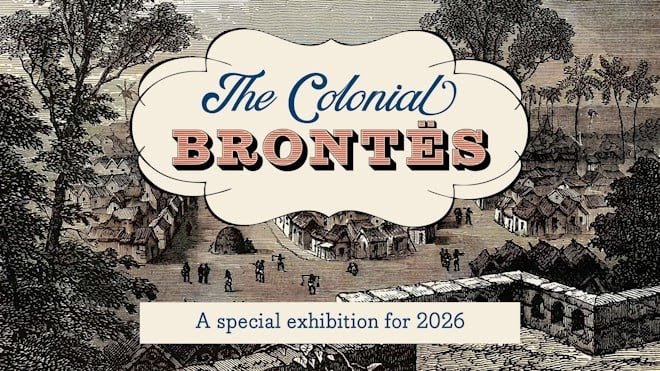
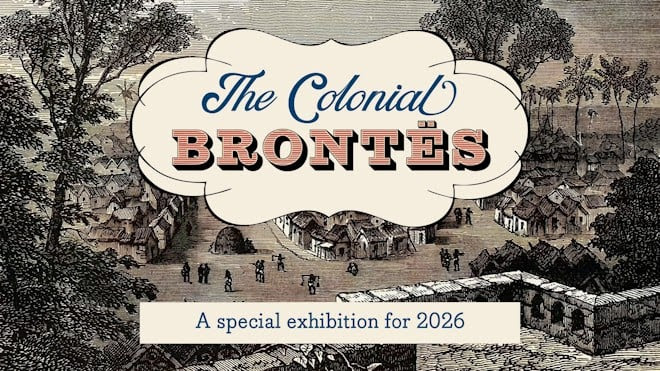
It’s easy to picture the Brontë siblings tucked away in their home, creating stories in isolation. But they were actually keenly aware of what was happening in the wider world. A major new exhibition for 2026, ‘The Colonial Brontës’, looks into just how much the great global events of their time fired up their imaginations. In the late 18th and early 19th centuries, Britain was expanding its empire, and tales of exploration, military campaigns, and missionary work were the blockbusters of their day. This exhibition shows that the Brontë siblings were totally hooked on this stuff.
As children, they didn’t just play with their twelve toy soldiers; they created an entire fantasy world for them. This world, a collection of colonies called the Glass Town Federation, was their own massive, shared universe. Think of it like a prequel to the Marvel Cinematic Universe, but written in tiny, miniature handwriting. They wrote sagas, poems, and magazines all about this federation, drawing heavily on their colonial reading material. They weren't just making things up out of thin air; they were fictionalising real-life battles and basing characters on famous British military figures and even Asante warriors from West Africa. This childhood fascination with the colonial world, with its complex questions about power, identity, and morality, didn't just stay in their childhood games. It bled into their adult novels, shaping their exploration of missionary work and complex racial themes. This side of the Brontës is a fascinating one, showing that their incredible stories were connected to a much bigger, more complicated world than just the Yorkshire moors.
Wuthering Heights, then and now
Even if someone hasn't read Wuthering Heights, they probably know the story. Maybe they've seen one of the many film adaptations, heard the Kate Bush song, or caught a stage show. It’s a story that has been told and retold across the globe for generations. A second compelling exhibition at the museum, ‘Haunt Me Then... and Now: Wuthering Heights on the big screen’, celebrates this enduring legacy.
This display looks at the many different ways Emily Brontë’s masterpiece of literature has been adapted over the years. Each new version, whether it's a Hollywood classic or a modern indie film, brings a fresh perspective. Directors and screenwriters make different choices—who is the hero? Who is the villain? Is it a ghost story or a love story? The exhibition explores these global adaptations, showing how the tale of Cathy and Heathcliff continues to captivate new audiences. It’s a brilliant look at how a single book from a quiet parsonage in Haworth can echo through time and across different cultures. This exploration of Wuthering Heights really highlights its timeless power.
Step inside the parsonage after dark
Reading about the Brontës is one thing, but what if you could experience their home as they did? The ‘Parsonage After Dark’ events offer a chance to do just that. It’s an opportunity to leave the wild and windy moors behind and step into the cosy, candlelit rooms where Charlotte, Emily, and Anne wrote their novels. It’s a completely different way to see the Brontë Parsonage Museum, full of atmosphere and maybe even a little bit of spookiness. One can almost imagine hearing a ghostly tap on the window pane, just like in Wuthering Heights. For anyone wanting a truly immersive experience, this is it.
For those who want to get even closer to the family’s history, the ‘Parsonage Unwrapped: Celebrating Emily’ events are perfect. These are intimate sessions held in the museum’s library. Visitors get to see some of the real treasures from the collection related to Emily Brontë, the creative force behind Wuthering Heights. It’s a rare chance to see personal items and manuscripts up close, offering a tangible connection to the brilliant and enigmatic author.
Brontëmania and the love of literary tourism
What is it that makes people want to visit the places where their favourite authors lived and wrote? This phenomenon, often called literary tourism, is the subject of a ‘Thursday Talk: Brontëmania’. The talk explores why fans love to follow in the footsteps of writers, a tradition that goes way back. It started with the Grand Tour, where wealthy young men would travel Europe to soak up culture, and it continues today with fans making pilgrimages to places like the parsonage on Church Street.
The discussion covers how literary tourism has evolved over the centuries, especially with the influence of film and TV adaptations that bring classic literature to life for new generations. The Brontë legacy extends beyond the museum, and there are plenty of other related events to check out.
Wuthering Heights – Screening
Location: Pictureville
Date: From Friday 13 February 2026
Lights, Camera, Brontë: East Riddlesden Hall on Screen
Location: East Riddlesden Hall
Date: From Saturday 14 February 2026
Emily Brontë: Law Hill, Wuthering Heights and High Sunderland
Location: Holdsworth House
Date: Tuesday 24 February 2026
These events and exhibitions all paint a richer, more detailed picture of the Brontës. They show them not as remote figures from history, but as people deeply engaged with the world, whose work on the colonial experience, love, and loss continues to speak to us today.

Yorkshire Team
The Yorkshire.com editorial team is made up of local writers, content creators, and tourism specialists who are passionate about showcasing the very best of God’s Own Country. With deep roots in Yorkshire’s communities, culture, food scene, landscapes, and visitor economy, the team works closely with local businesses, venues, and organisations to bring readers the latest news, events, travel inspiration, and insider guides from across the region. From hidden gems to headline festivals, Yorkshire.com is dedicated to celebrating everything that makes Yorkshire such a special place to live, work, and visit.
View all articles →