Welcome to Yorkshire
History • November 26th, 2025
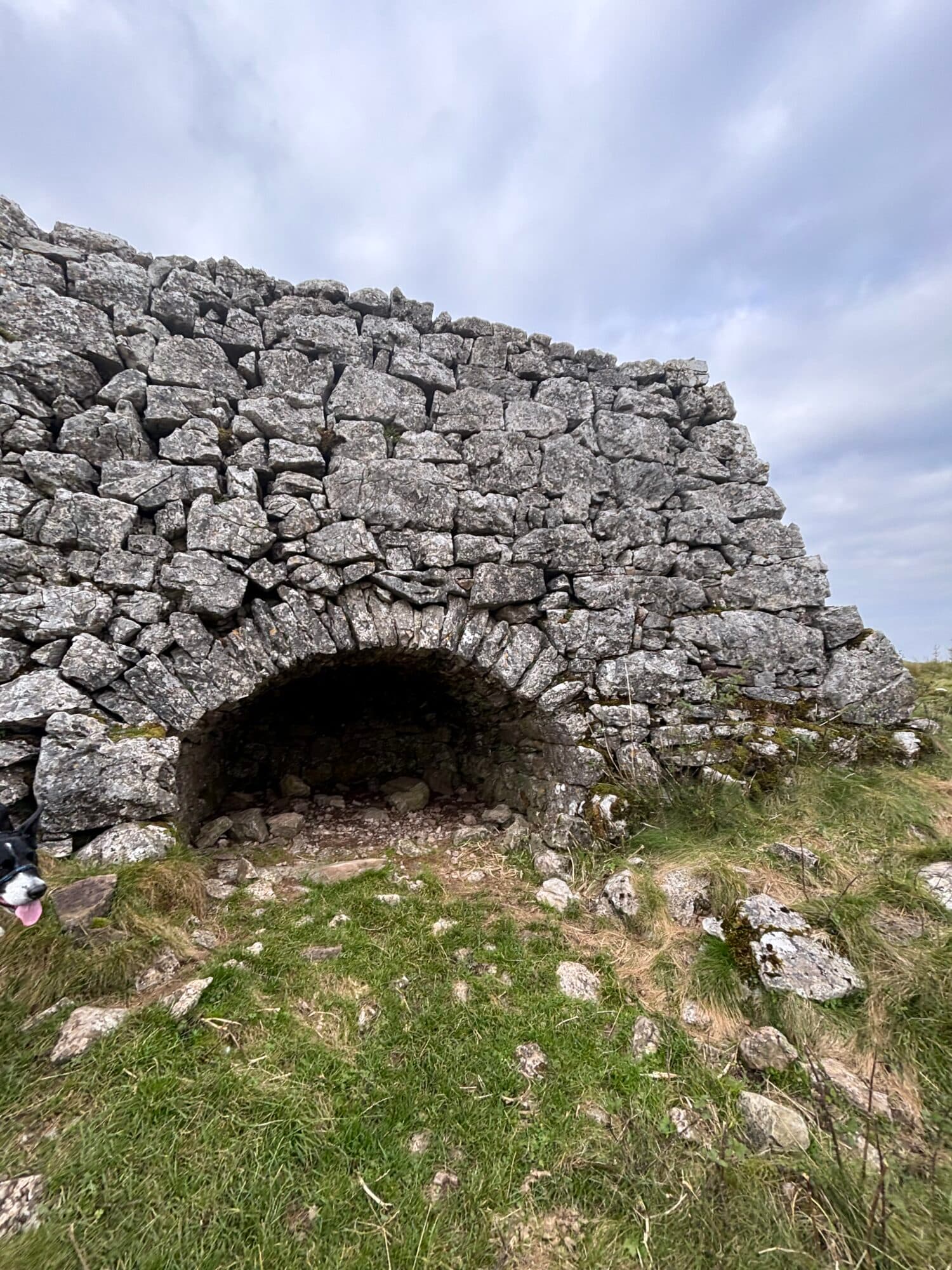
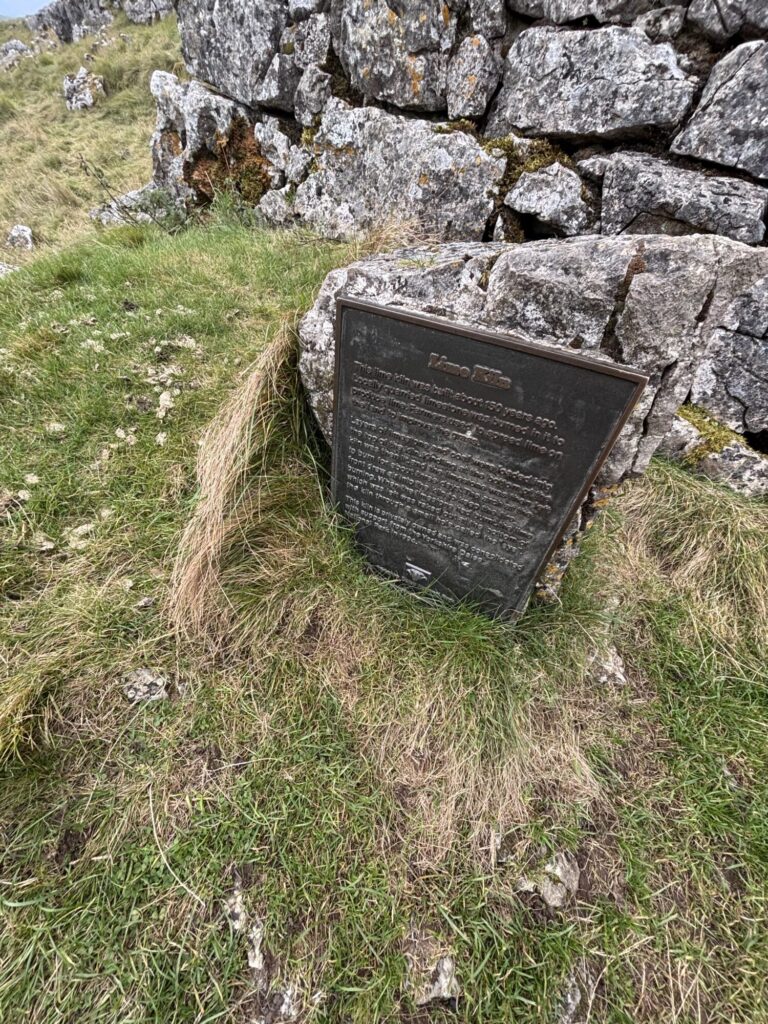
|On a windy ridge above the Yorkshire Dales, where walkers on the Dales Way regularly follow the limestone tracks, stands the Old Pasture lime kiln, overlooking Conistone. This field kiln, roughly 150 years old, was once one of many structures scattered across the Dales, built to burn limestone so that local farmers could improve their poor, acidic soils. Farmers in Conistone and neighbouring villages depended on lime as fertiliser: spread liberally, lime neutralised acidity, enriched pasture, and increased yields of grass for livestock.
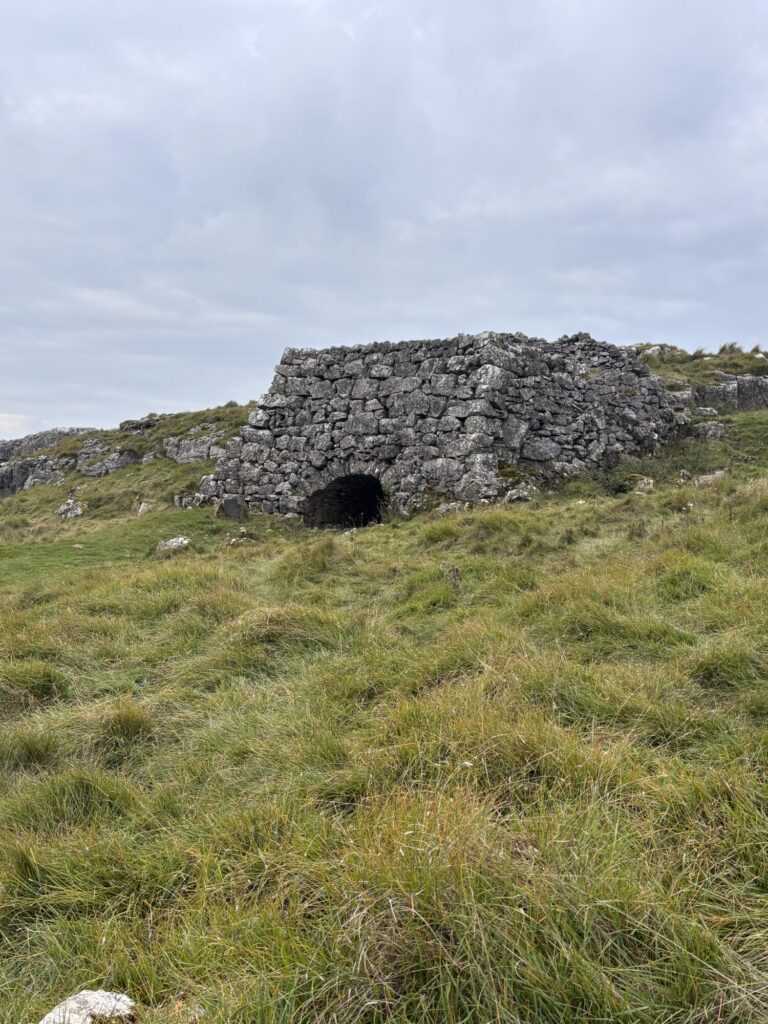
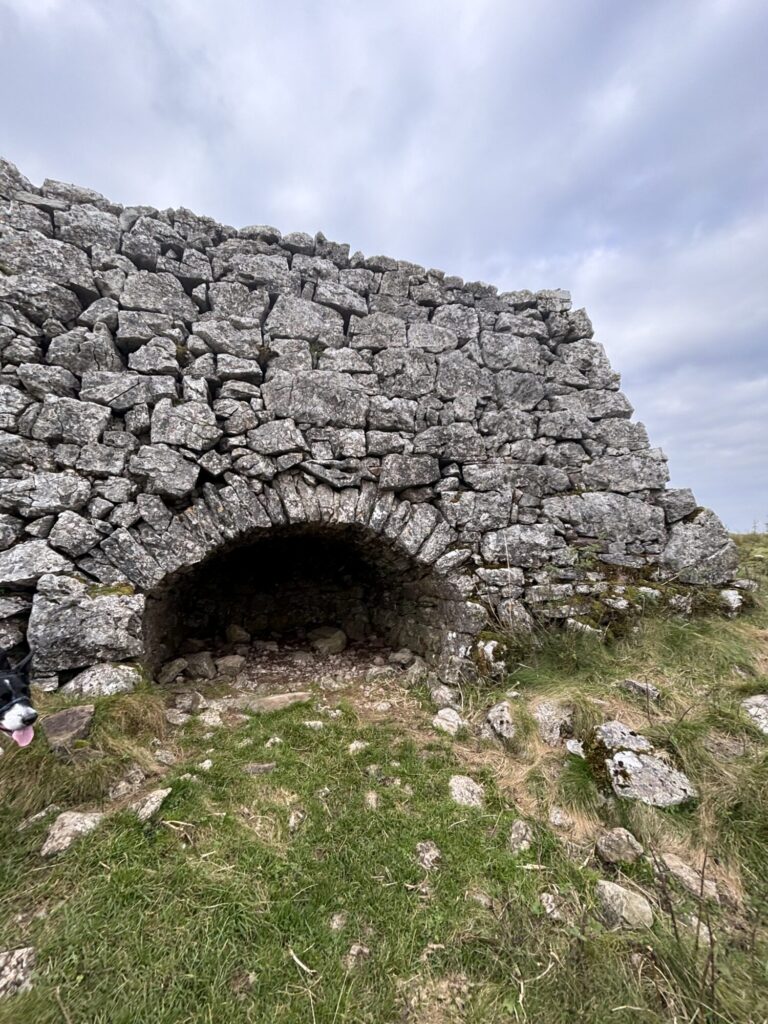
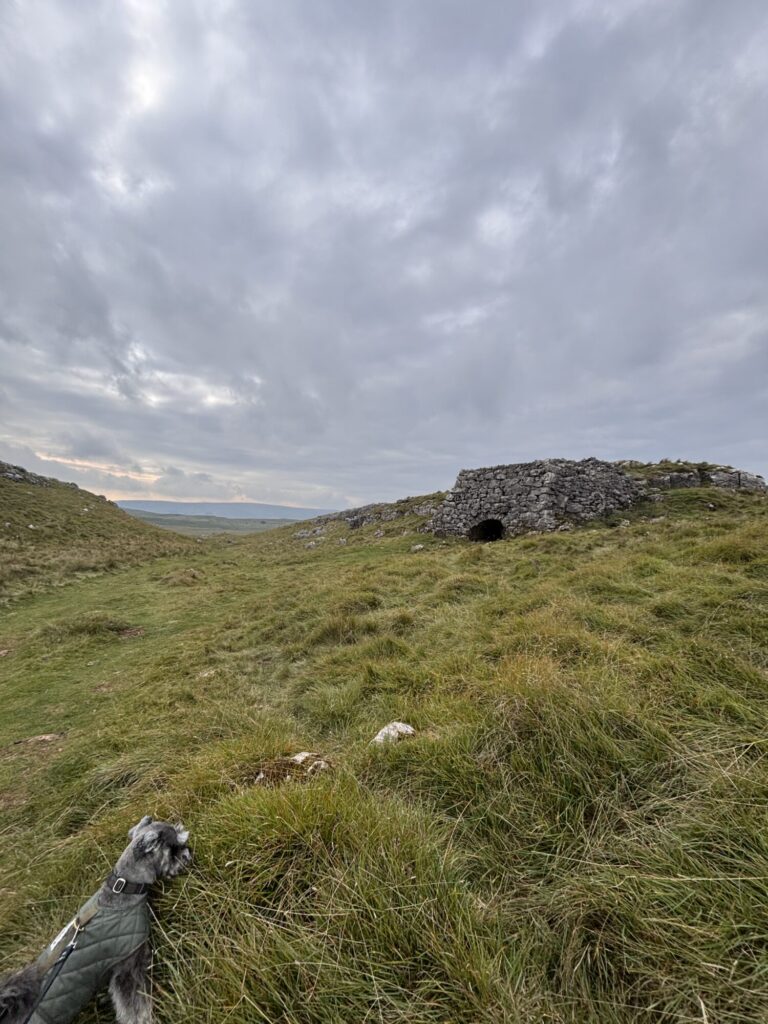
The kiln’s workings were simple but labour-intensive. At the base, kindling was laid. Above this, layers of coal and limestone were stacked into the top of the kiln. Once lit, the fire burned for up to three days, drawing air in through the arch at the front, which kept the fire alive and hot enough. After the limestone was transformed into quicklime (or calcium oxide), the kiln’s operator raked it out through a hole at the bottom known locally as the “eye.”
Originally, this kiln would have been served by local limestone sources—quarried from nearby limestone outcrops—and by fuel either from coal brought in or wood from the local hillsides. The location made practical sense: close enough to farms needing lime, yet sufficiently situated to use gravity to load stone at the top ramp and access the kiln eye at the base.
Over time, as agricultural methods changed, and as larger, more efficient lime-works and kilns were built elsewhere (for example, the Hoffmann continuous kiln at Langcliffe), small field kilns like the Old Pasture structure fell into disuse. By the late 20th century, the Old Pasture kiln was no longer used, and nature and neglect were reclaiming its stones. However, in 1994, conservation work stabilised the structure and preserved this small but vivid piece of Dales heritage.
Books by Dr Emma Wells



Comments
0 Contributions
No comments yet. Be the first to start the conversation!