Welcome to Yorkshire
History • June 16th, 2025
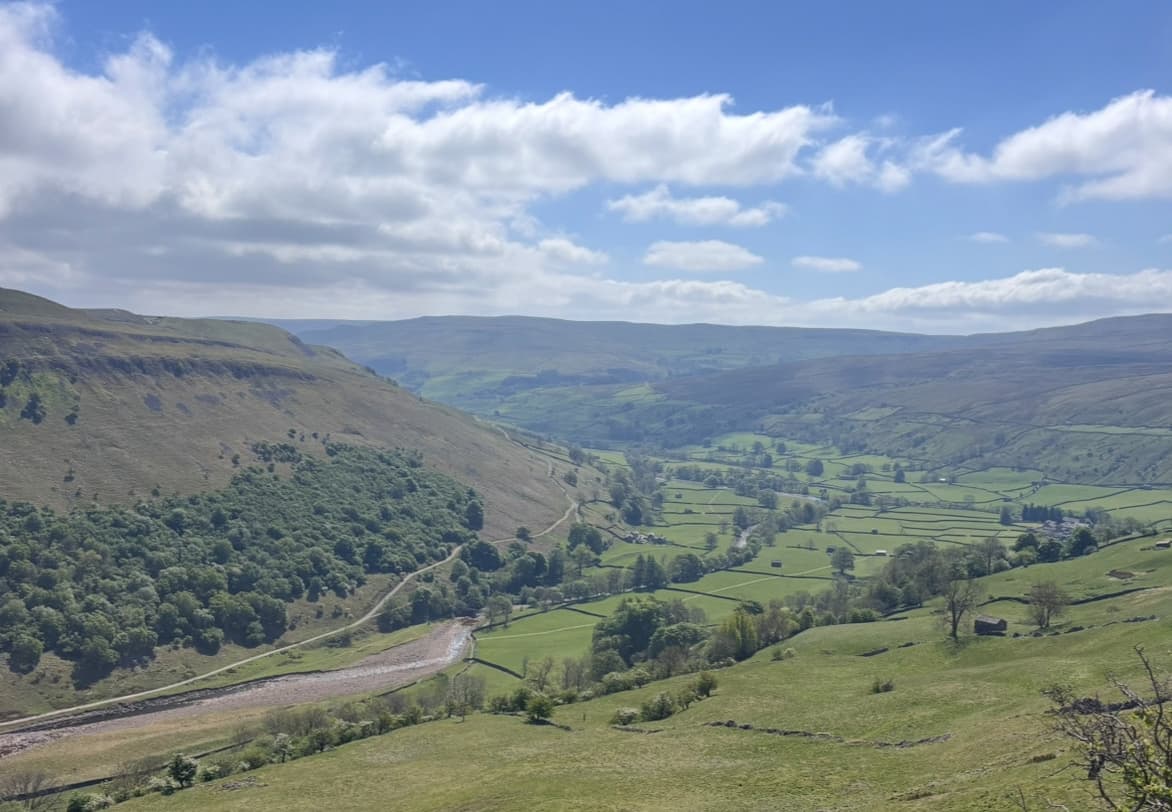
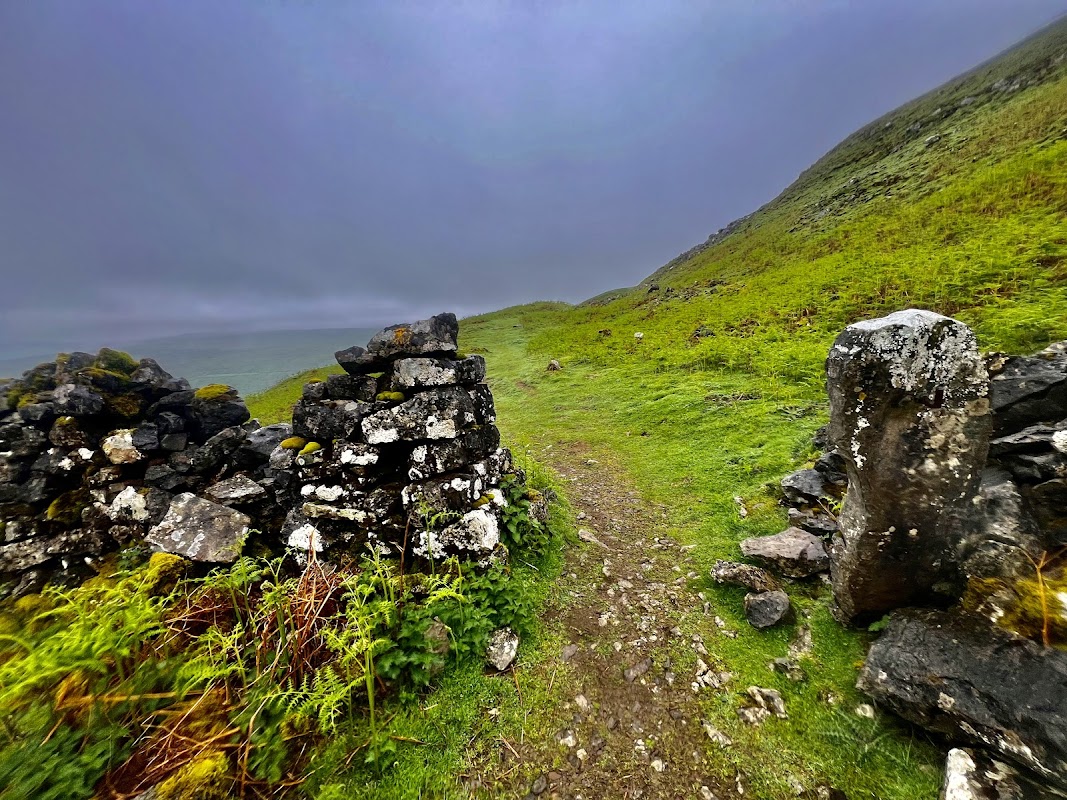
|The Corpse Path at Muker, situated amongst the remote and often-times desolate landscape of the Yorkshire Dales, is an historic route steeped in centuries-old tradition and quiet reverence. This path, a corpse road which traverses from the area around the hamlet of Keld to the small village of Muker nestled in Swaledale, was once a vital lifeline connecting isolated moorland communities to their parish churches, particularly before each village had its own consecrated burial ground.
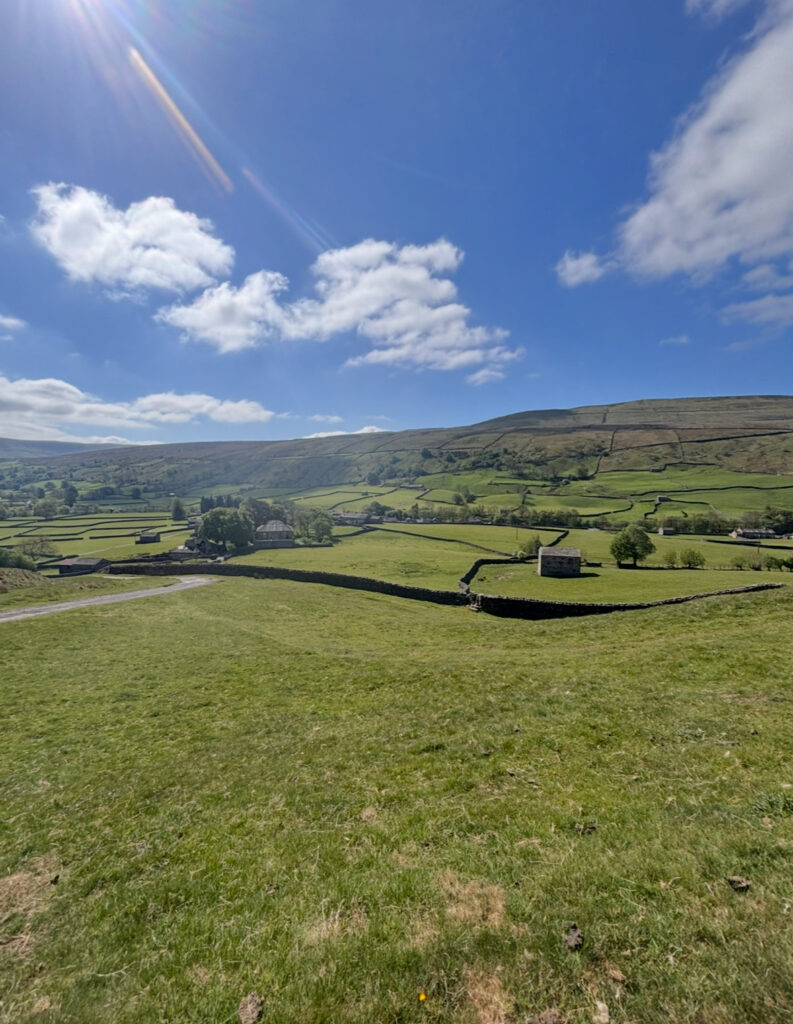
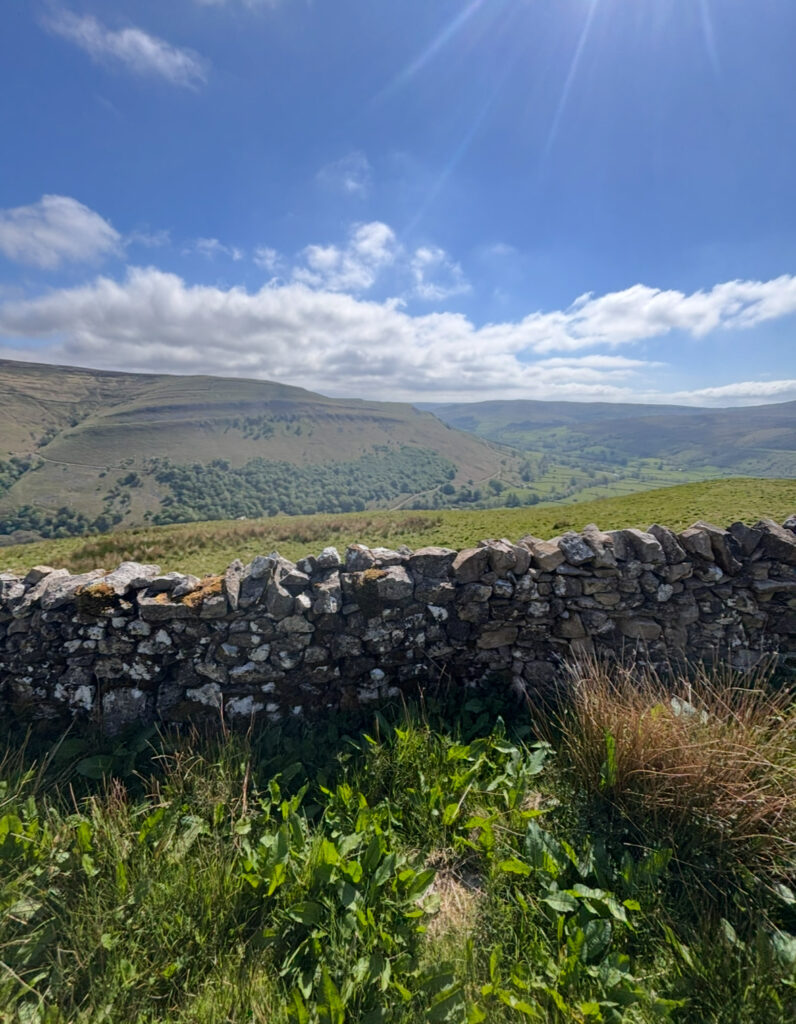
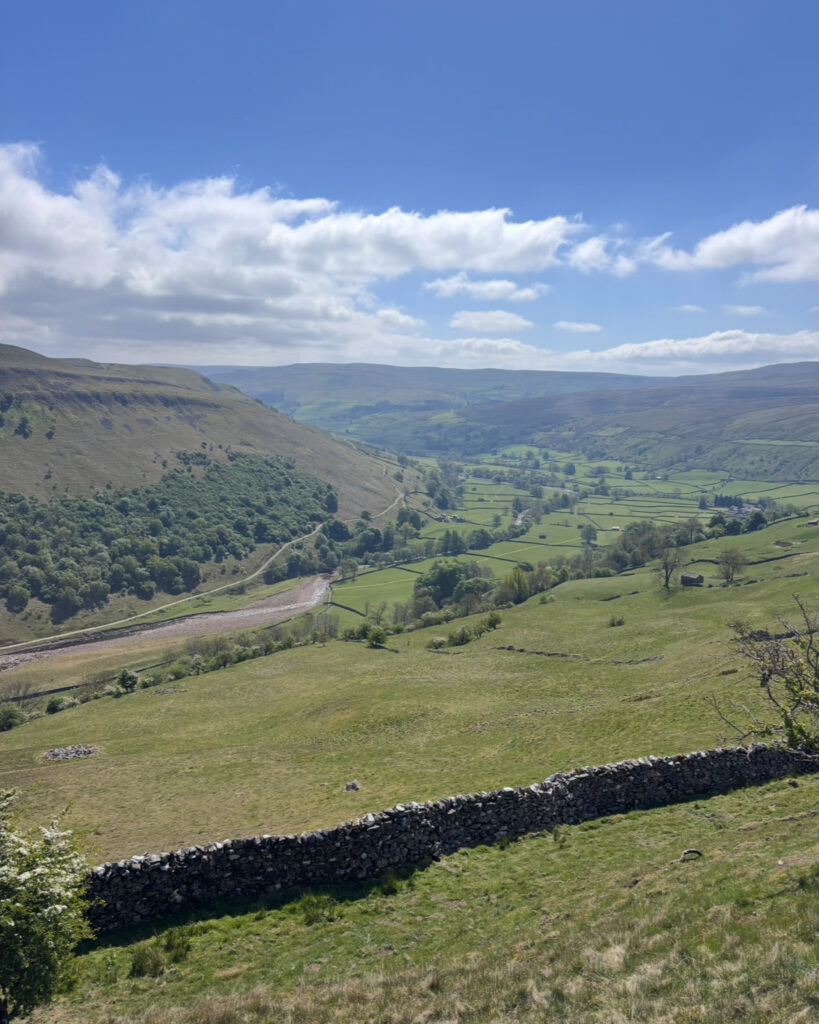
In the case of Muker, , the path was used to transport the dead to the parish church of St Andrew in Grinton, almost 12 miles away. Before Muker had its own church and graveyard, villagers had no choice but to carry the deceased across bleak fells, stony trails, and windswept ridges to reach consecrated ground. The journey, often taken on foot with the coffin borne on shoulders or sledges, was arduous and symbolic—a final pilgrimage through the rugged land the deceased had once inhabited. Stone slabs and flat rocks, known as ‘coffin rests’, were placed at intervals along the path, offering a place to rest both the coffin and the weary pallbearers. Some of these features can still be seen today and offer poignant reminders of the lives and customs of former Dales folk.
Muker itself eventually became a parish in the late 16th century, with St Mary’s Church consecrated in 1580, thereby ending the need for such long funerary journeys. However, the memory of the path remains deeply embedded in local history and folklore. Walkers today can still trace parts of the old route across the moors, often unaware where they are treading.
Books by Dr Emma Wells


Emma Wells
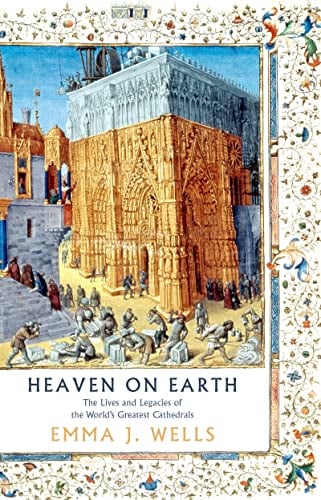
Dr Emma Wells has appeared as a historian on Yesterday, Curiosity Stream, Viral History, From the Dales to the Sea – A Great British Story, and as a ‘Don’ on BBC Radio 4’s The 3rd Degree and much more. Her first book, Pilgrim Routes of the British Isles, was released in 2016, and her most recent book Heaven On Earth: The Lives & Legacies of the World’s Greatest Cathedrals, was published in 2022.
View all articles →
Comments
0 Contributions
No comments yet. Be the first to start the conversation!