Welcome to Yorkshire
Inspiration • November 27th, 2025
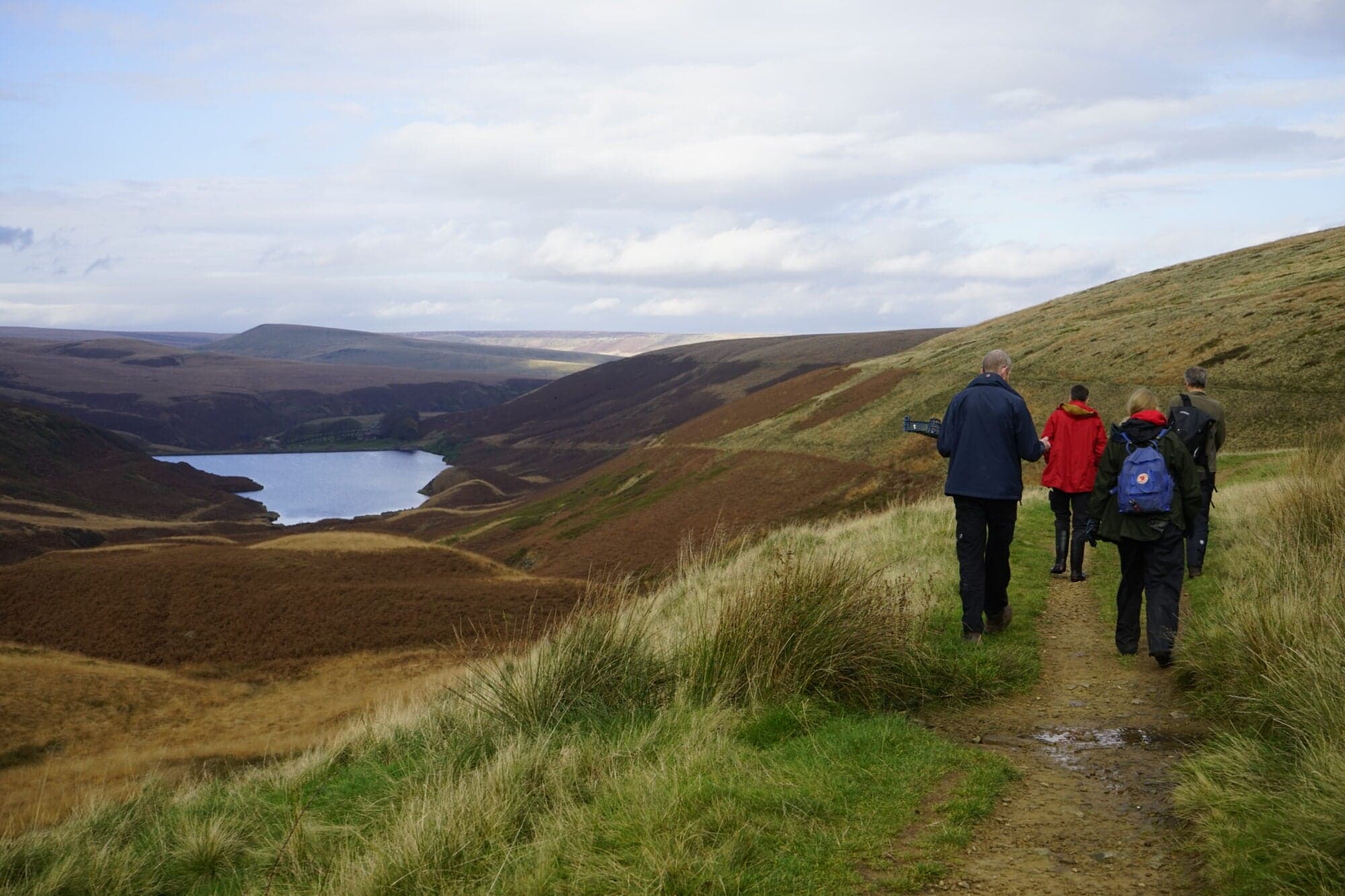
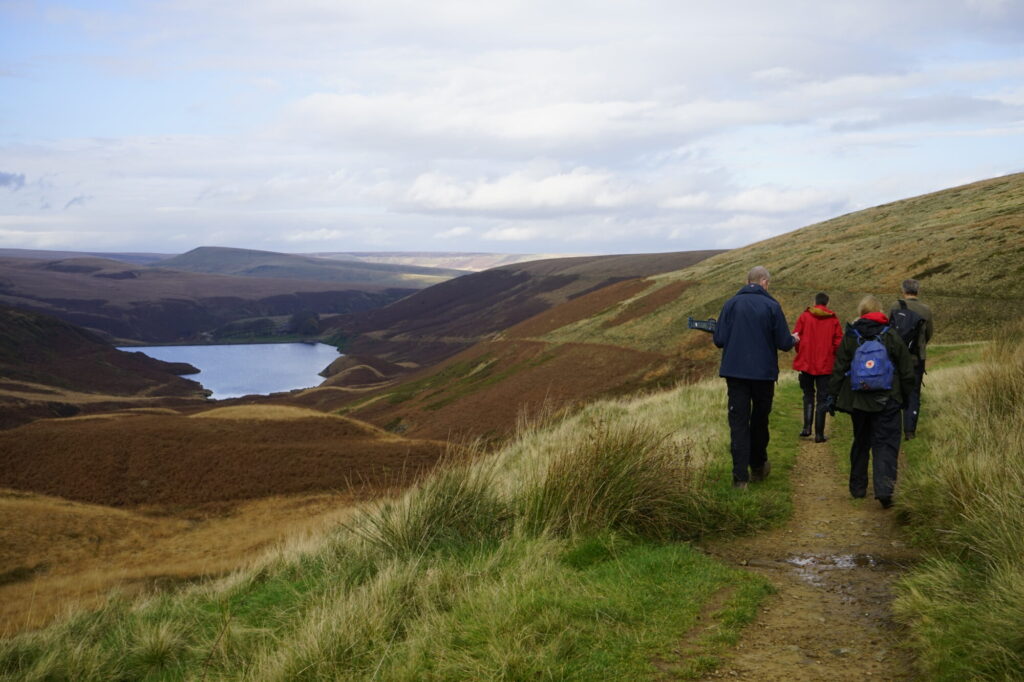
|Ever walked across the wild, open moors and wondered what keeps them so special? Well, sometimes they need a bit of help. Over at Marsden Moor, a massive patch of beautiful landscape looked after by the National Trust, a fire in 2023 caused some serious damage. Think of it like a huge scorch mark on a favourite painting. Now, the team there is getting stuck into a big restoration project to help the land heal, and their secret weapon is something you might not expect: a special type of moss.
The problem with a tricky grass
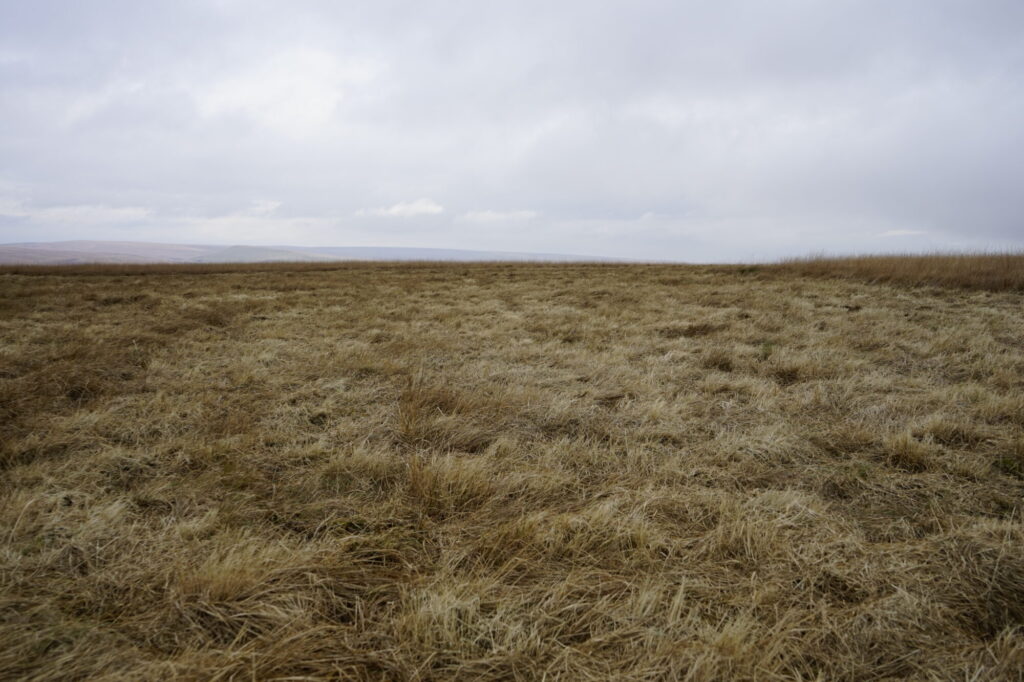
Back in 2023, a wildfire burned for nine hours at a spot called Holly Bank Moss on the Marsden Moor estate. It damaged 66 hectares of precious moorland habitat, which is an area bigger than 90 football pitches. After a fire, you’d hope to see all the old plants grow back, creating a healthy home for wildlife. But something else happened here.
A type of grass called Molinia, or purple moor grass, took over. At first glance, this might not seem so bad. It grows fast and looks lush and green, making it seem like the moorland has recovered. But this grass is a bit of a bully. It grows so well that it crowds out all the other important moorland plants, creating what’s known as a monoculture – where just one species dominates the entire area. This isn’t good for the local ecosystem, which needs lots of different plants to be healthy. And there's another problem: Molinia is really flammable, which means it could make future fires even worse.
Meet the amazing sphagnum moss
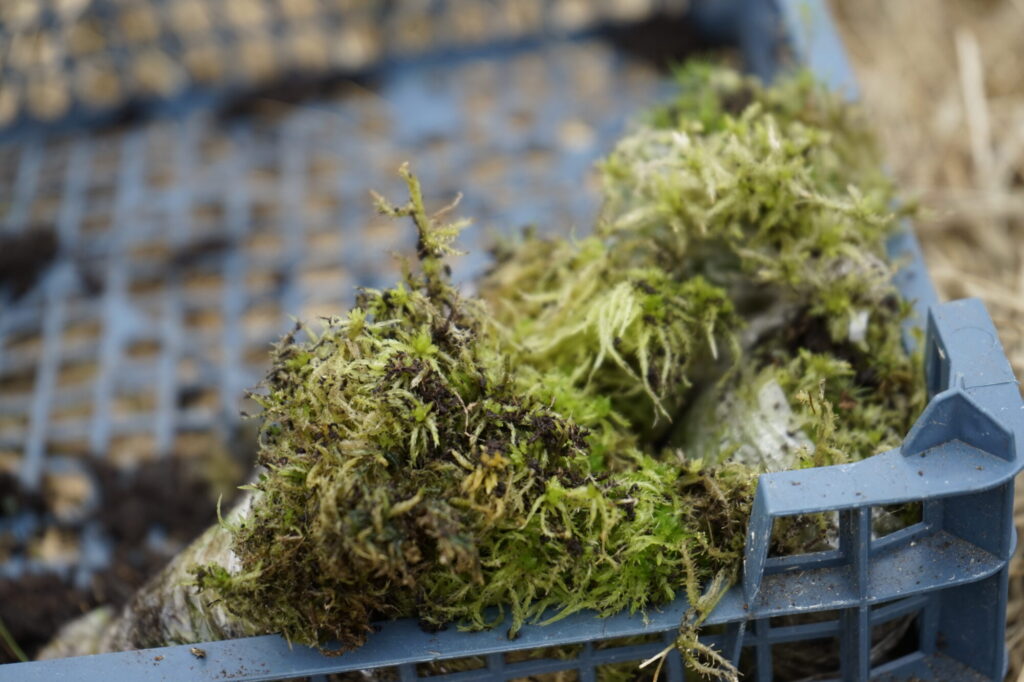
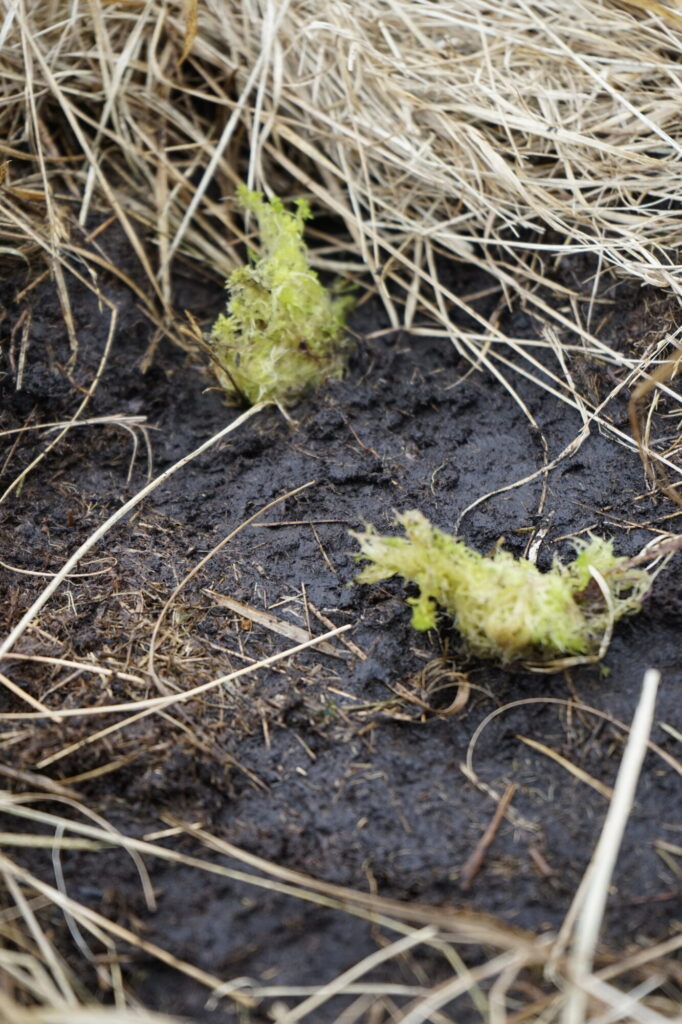
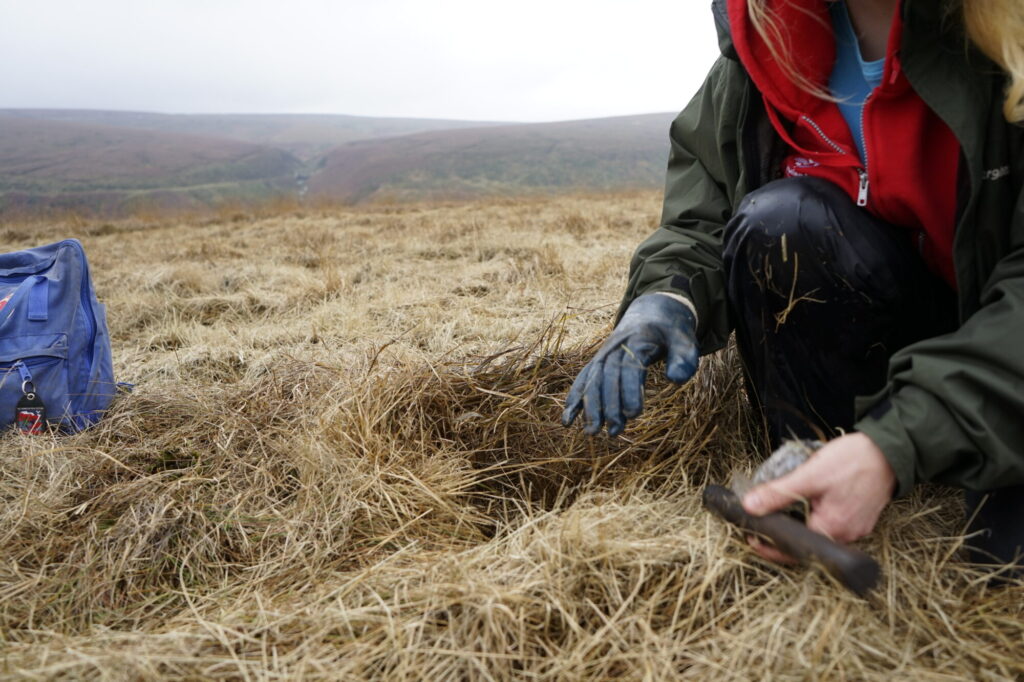
So, what's the plan? The team at Marsden Moor is fighting back against the Molinia to give another plant a chance to shine: sphagnum moss. This stuff is basically a superhero of the plant world. Rangers and volunteers have started cutting back the Molinia to make space for over 20,000 little plugs of sphagnum moss to be planted this year.
What makes this moss so brilliant? Here’s a quick rundown of its superpowers:
- It’s like a giant sponge: Sphagnum moss can hold more than twenty times its own weight in water. This makes the whole moorland wetter and much less likely to catch fire.
- It builds new land: This incredible moss helps create new layers of peat. Peat is the dark, soil-like stuff that makes up the moorland, and it’s a vital part of the peatland habitat.
- It’s a climate champion: By creating new peat, the moss helps with carbon storage. Peatlands are amazing at trapping carbon from the atmosphere and locking it away in the ground.
This restoration work is all about bringing balance back to the moorland ecosystem. By planting sphagnum moss, the National Trust isn't just fixing the damage from one fire; it's making the whole habitat more resilient for the future.
People power bringing the moorland back to life
This huge restoration project wouldn't be possible without a lot of hard work from dedicated people. An amazing team of volunteers works alongside the Rangers to get the moss in the ground. But where does all this sphagnum moss come from? You can’t just buy it at a garden centre.
The National Trust has a specialist nursery right on the Marsden Moor estate, where tiny bits of moss are harvested from healthy areas of the moorland and carefully grown into the plugs needed for planting. This nursery is managed by a team of volunteers, whose efforts are a massive part of the conservation success story. The charity has also been able to extend the nursery and create a new outdoor education space thanks to generous funding from donors like Starling Bank, showing how support from businesses and the public makes this conservation work happen.
Why this work on the moors matters for everyone
It might seem like a remote patch of countryside, but the health of this moorland matters to all of us. The peatland at Marsden Moor already holds an estimated 1 million tonnes of carbon. By helping the peatland recover and grow, this project boosts its natural carbon storage capabilities, which is a brilliant way to help fight climate change.
This is exactly the kind of work the National Trust was set up to do. As a conservation charity, its job is to protect our shared heritage and open spaces. It looks after hundreds of historic properties and glorious gardens, but it also cares for vast areas of countryside, miles of coastline, and important nature reserves. It’s a huge responsibility, protecting the very fabric of our nation's natural and historical beauty.
A conservation charity for the nation
Founded way back in 1895, the National Trust is an independent charity that relies on the support of its members, visitors, and donors to carry out its work. It protects over 250,000 hectares of countryside and 780 miles of coastline across England, Wales, and Northern Ireland. When people visit pay for entry sites, from grand historic properties to beautiful gardens, that money helps fund vital habitat restoration projects just like the one at Marsden Moor.
With more than five million members and thousands of volunteers, the charity is a testament to how much people care about preserving nature and heritage for future generations to enjoy. The next time you walk through some open spaces or visit one of the UK’s incredible nature reserves, remember that a whole community of people is working behind the scenes. They are ensuring these precious places, from the wild moorland to the rugged coastline, are protected forever.


Comments
0 Contributions
No comments yet. Be the first to start the conversation!