Welcome to Yorkshire
Inspiration • September 5th, 2025
|On Friday 5th September 2025, some brilliant news broke for anyone who loves the great outdoors. One of Yorkshire’s most stunning spots, the Ingleborough National Nature Reserve, officially got bigger. A lot bigger. This isn't just about drawing new lines on a map; it's a massive step forward in protecting an incredible landscape and the unique wildlife that calls it home. The expansion is part of a special project celebrating King Charles’s Coronation, making it a right royal affair for nature recovery.
What's all the fuss about?
So, how big is this expansion? An extra 179 hectares of beautiful upland landscape have been added to the reserve. That brings the grand total to 1,186 hectares. If you’re struggling to picture that, imagine an area a third of the size of the city of York, or enough land to lay out 2.2 billion Yorkshire Tea bags. It’s a huge area, making the Ingleborough NNR one of the largest and most nature-rich places in the north of England.
This expansion makes Ingleborough part of the King's Series of National Nature Reserves, a project launched in 2023 to create a network of amazing places for nature across the country. It’s the result of years of hard work by organisations like Natural England and the Yorkshire Wildlife Trust. Their goal is to tackle the climate crisis head-on, carry out vital restoration work on habitats that have been damaged, and create a landscape where both people and wildlife can thrive. And for visitors, there's a bonus: the expansion means better public access, making it easier to get to from Ribblehead station on the famous Settle–Carlisle railway line.
A landscape of limestone and legends
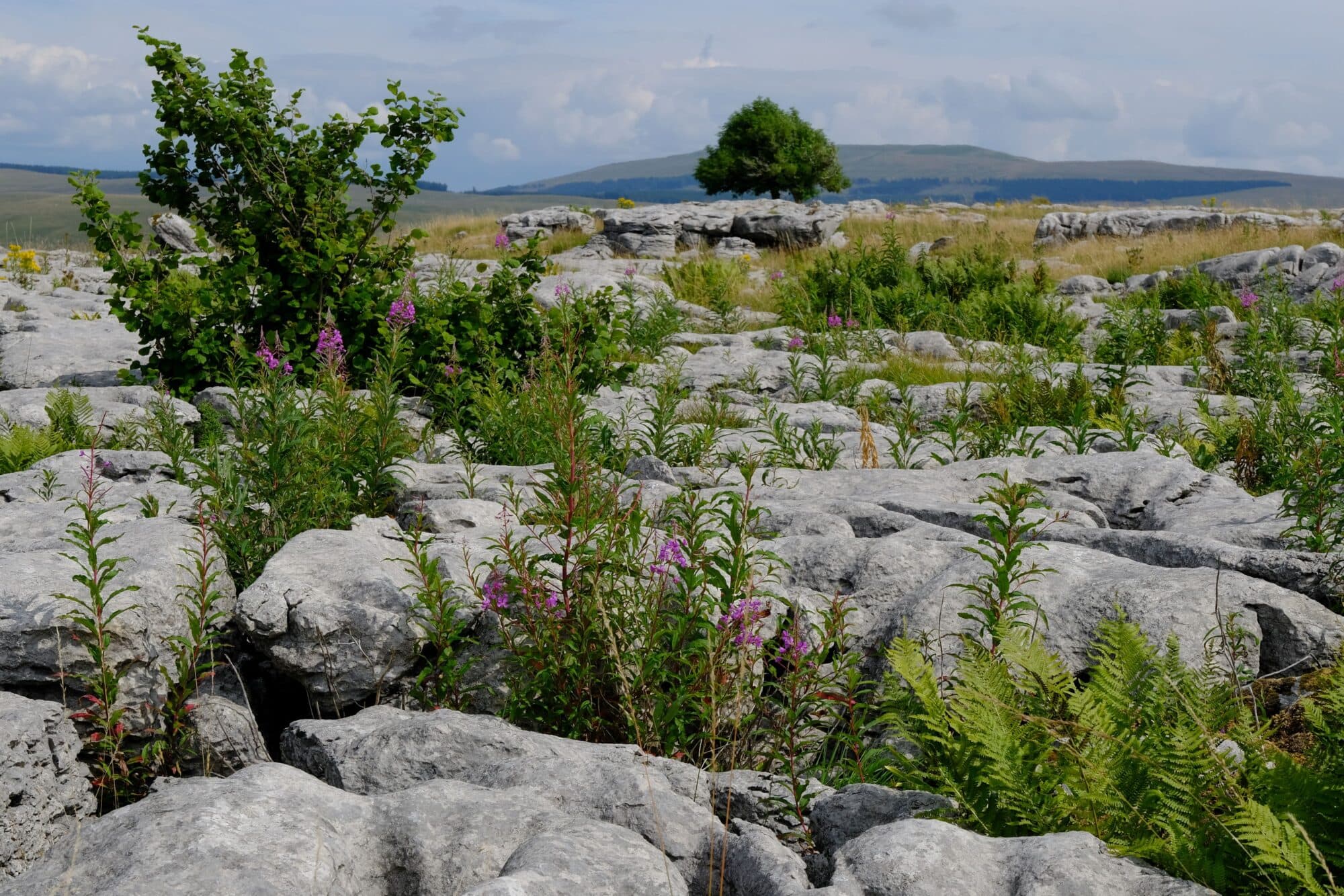
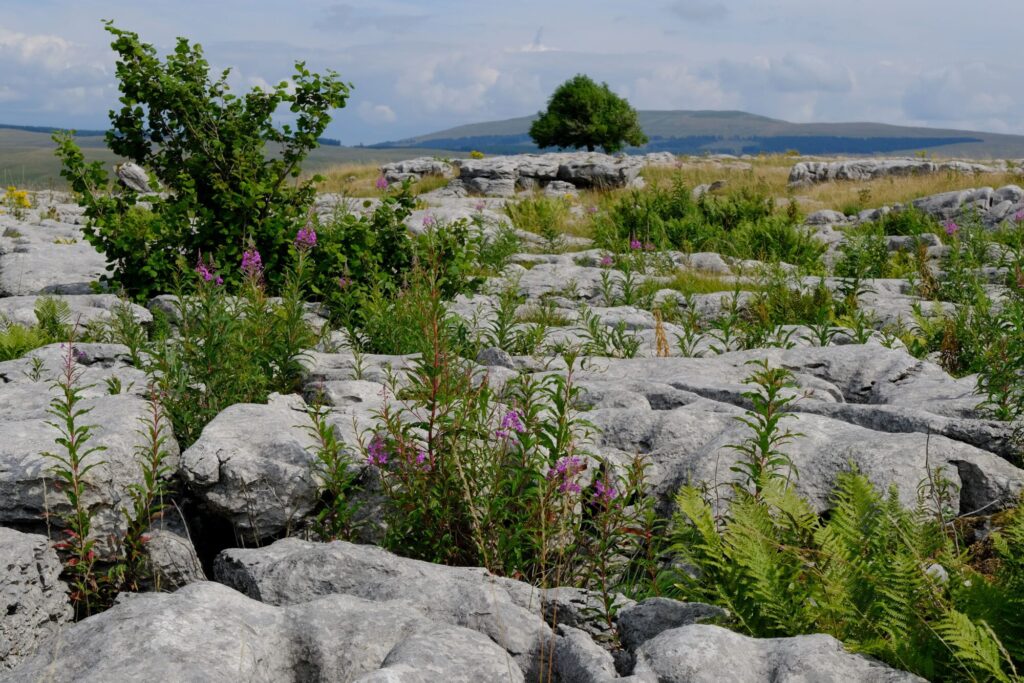
If you’ve ever explored the Yorkshire Dales, you’ll know the landscape is properly dramatic. A big part of that is down to something called limestone pavement. It looks a bit like giant, crazy paving with deep cracks, creating a unique surface that looks almost alien. The Ingleborough area has some of the best examples of these limestone pavements in the UK. Sadly, what exists today is only about 8% of what was once there. In the past, huge amounts of this incredible limestone were taken away – between 34,000 and 41,000 tonnes, which is about the same weight as four Eiffel Towers. Thankfully, it became protected in the 1990s, and this expansion will safeguard even more of this precious habitat.
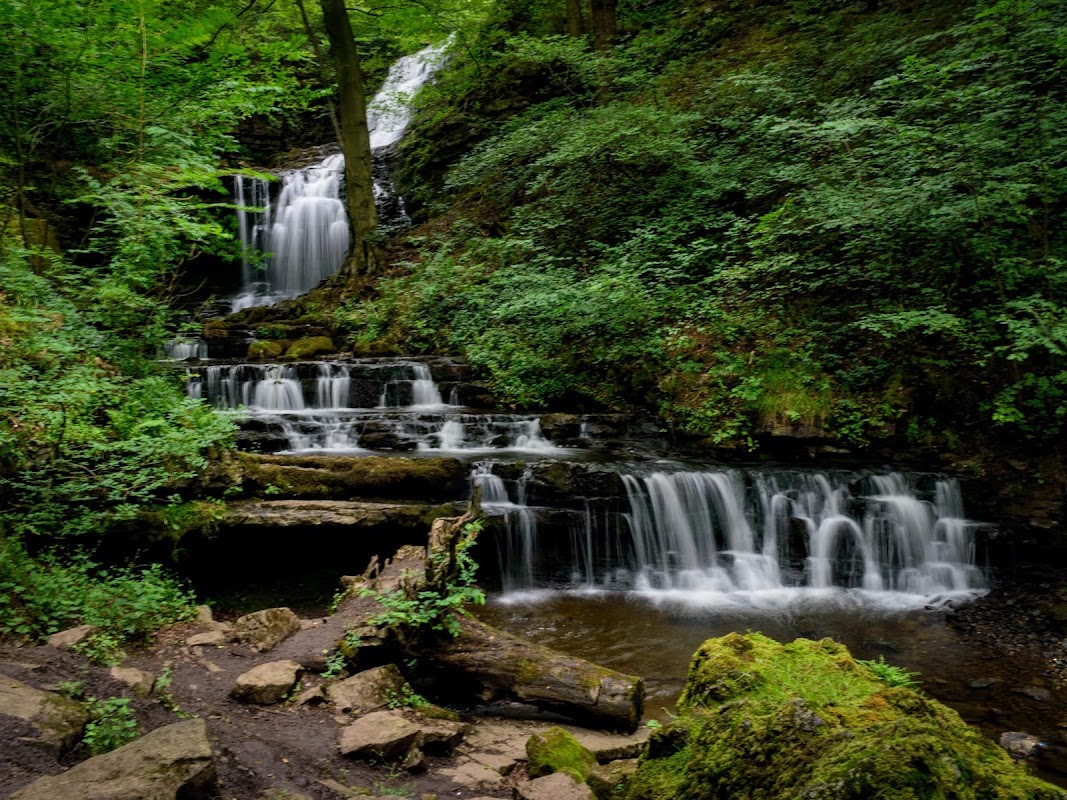
This whole upland area is a mosaic of different environments. In just one valley, you can go from a moorland top, through blanket bog and heath, down to woodland and species-rich meadows by a river. This variety of habitats is what makes the nature so special.
Home to some very special residents
The Ingleborough National Nature Reserve is a lifeline for some seriously threatened species. Because of its unique geology and habitats, it’s home to plants you can’t find anywhere else in the world. They’re ‘endemic’ to the area, which is a fancy way of saying they are hyper-local celebrities.
Ever heard of the Yorkshire sandwort? It’s a tiny flower with white, star-like petals, and Ingleborough is the only place on the entire planet you can see it. It's also one of just four places in the UK to spot Teesdale violets and one of two in Yorkshire for the purple saxifrage. The limestone pavements are home to rare ferns and mosses, as well as wild thyme and rock-rose, which is the favourite snack of the rare northern brown argus butterfly. The site is a haven for all kinds of wildlife, supporting fragile wildlife populations. The entire landscape, from the valley floor to the mountain peak, is teeming with life.
It’s not just about plants, either. The area is vital for birds whose numbers are dropping across the country. The haunting call of the curlew can be heard here, alongside the black grouse and the ring ouzel – all birds on the red list of conservation concern. Protecting their habitats here gives them a much-needed fighting chance against the climate emergency.
A helping hand from some clever cows
Looking after a landscape like this isn't just about leaving it alone. Active restoration is key. The reserve team has been working with local farmers on sustainable practices. One brilliant example is using native breed cows for low-intensity grazing. These cows munch away in a way that mimics how wild animals would have grazed centuries ago, which helps create a patchwork of different habitats. This means you get areas of wildflower grassland next to patches of shrubs and woodland – perfect for a huge variety of species. These clever farming methods will now be used in the new areas, helping to protect the delicate limestone pavement from too much pressure.
What the experts are saying
The people behind this massive project are, understandably, thrilled. Paul Duncan, who is the Deputy Director for Natural England in Yorkshire, highlighted the importance of the move.
“The extension of Ingleborough National Nature Reserve is a significant moment for nature recovery. The Yorkshire Dales is one of the most unique and irreplaceable landscapes with habitats that play host to species found nowhere else in the UK. They are now better protected for generations to come.” “Over seventy years on from the creation of our first National Nature Reserves in England, these wonderful places are needed now more than ever as we tackle the challenges of climate change, wildlife decline and reconnecting people with the natural world.”
Rachael Bice, the CEO at the Yorkshire Wildlife Trust, spoke about the collaborative effort involved.
“Working together to create space for nature is vital and further protection for Ingleborough’s stunning landscape follows years of dedicated commitment to bring back more diverse and abundant wildlife to a nature-rich upland limestone landscape.”
“We’re thrilled the vision and work of our partnership, volunteers, members and supporters has been recognised. This area is one of the most exciting and inviting places to enjoy the wilder side of our rich natural heritage.”
And Nature Minister Mary Creagh added her support.
“Ingleborough is one of our most dramatic and beautiful landscapes, and I’m delighted this reserve is going to support thriving nature across an even larger area.” “This Government is committed to turning the tide on nature’s decline after years of neglect. New and expanded National Nature Reserves are improving access to nature and protecting nature-rich habitats, such as the limestone pavements found at Ingleborough.”
All together now: the power of partnership
This amazing achievement isn't the work of just one group. A powerful partnership called 'Wild Ingleborough' has been formed to drive the restoration of wildlife habitats across the Yorkshire Dales National Park. It brings together Natural England’s team, the Yorkshire Wildlife Trust, The University of Leeds, UBoC, The Woodland Trust, and WWF. Their shared aim is to bring back even more wildlife across the entire landscape, from the valley floor to the top of the mountain. This work supports the government's goals under the Environment Act to stop the decline of our wildlife. The new areas included in the expansion are:
- Salt Lake Quarry (Yorkshire Wildlife Trust nature reserve)
- Ashes Pasture (Yorkshire Wildlife Trust nature reserve)
- Bellfield’s Pasture (Yorkshire Wildlife Trust nature reserve)
- Selside Shaw (Yorkshire Wildlife Trust nature reserve)
- Ashes Shaw (Yorkshire Wildlife Trust nature reserve)
- Gauber Pasture (Natural England)
- Swarth Moor (Natural England)
Comments
0 Contributions
No comments yet. Be the first to start the conversation!