
Welcome to Yorkshire
Inspiration • September 8th, 2025
|Ever looked at a shirt with a stubborn stain or a dress with a zip that’s completely given up and thought, "Well, that's that"? It's a common feeling. Most of us would probably sigh and chuck it in a bag for the charity shop, hoping someone else might be able to fix it. But what if those 'unwearable' clothes could be turned into something amazing, something you’d see in a designer shop? That’s exactly what's happening over in Leeds. A group of clever fashion students are taking on this very challenge, transforming piles of damaged textiles into unforgettable fashion pieces. And it’s all to help Oxfam raise money and fight poverty.
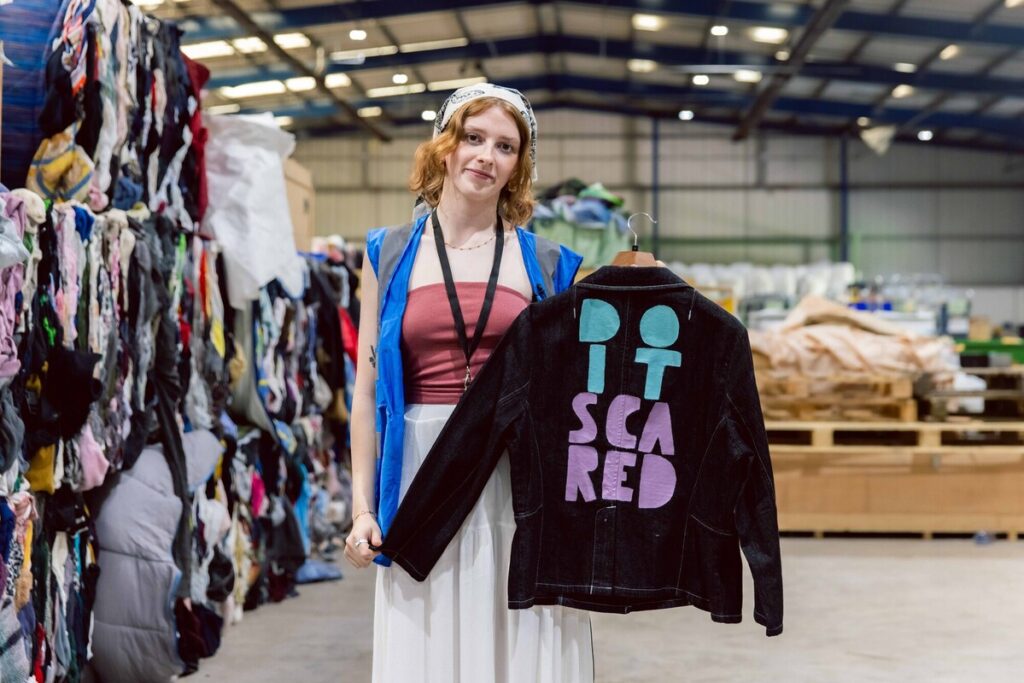
The challenge of turning trash into treasure
This isn't just a small-time craft project. It's a proper partnership between Oxfam and Leeds Beckett University called the Textile Upcycle Lab. For six months, nine second-year BA fashion design students have been working away at Oxfam’s huge warehouse in Batley. Their mission? To create up to 60 brand-new, sellable outfits. The catch is, they can only use clothes and fabrics that have been donated but can't be sold as they are. Think beautiful dresses with rips, stylish shirts with permanent marks, or amazing fabrics with broken zips. Basically, the stuff that would usually be considered textile waste.
This process is called an 'upcycle', which is a bit like recycling's cooler, more creative cousin. Instead of just breaking something down to reuse its materials, to upcycle is to take something considered 'waste' and turn it into a new item of higher quality or value. These students are proving that with a bit of design magic, unwearable clothes can have a spectacular second life. This whole project is a brilliant showcase for Second Hand September, Oxfam's yearly campaign to encourage people to buy second-hand clothes.
A personal touch from the students
For the students involved, this project is more than just a university assignment; it's a chance to really make a difference with their design skills. The hands-on work has sparked a real passion for sustainable fashion. One of the students from Leeds, 21-year-old Adeleide Coupland, found the experience incredibly inspiring. It connected with her long before she even started her fashion degree.
She said:
“The first time I went to Batley with Oxfam to repurpose clothes, I felt like I had a real sense of this is what I want to do. My grandma is a sewer and would always sew from the scrap box using second-hand clothes and fabrics, and I have always shopped at charity shops with my mum, so it has always been a part of me. I think working with second-hand materials is so freeing. Working on this project I feel like I have been more creative than I have ever been and it is so fulfilling to see what you can make and knowing you are making a difference.”
More than just a university project
The students aren't going it alone. They’re being guided by some serious experts in sustainable design. Husband-and-wife team Jo and Peter Thorndike, who run the design studio Community of Creatives, are mentoring the group. They're helping the students not only to unleash their creativity but also to think like business owners, ensuring the final outfits are actually sellable. It’s one thing to create a wild catwalk piece, but another to design something people will want to buy and wear. This project gives them a real taste of working in the modern fashion industry, where sustainability is becoming more and more important.
Jo Thorndike explained the value of the experience:
“It has been amazing helping support and guide the students and encourage them to be creative but also learn how to make something that is actually sellable. Not only can they hopefully create something brilliant that can help raise money for Oxfam, but also, they will have learnt the skills and developed the confidence and sense of direction they need for getting a job too in the fashion industry.”
This practical help is a massive boost for any aspiring designer.
Why Second Hand September matters
This whole upcycle initiative ties in perfectly with Second Hand September. Launched by Oxfam in 2019, the campaign encourages everyone to say no to new clothes for 30 days and explore the brilliant world of second-hand fashion instead. Why? Because the fashion industry has a huge environmental footprint. Making brand-new clothes uses up massive amounts of water and energy, and produces climate-damaging emissions. By choosing to shop second-hand, or by supporting projects like this one, people can help reduce waste and lessen the industry's impact on the planet. And every penny raised from selling these unique outfits will go directly towards Oxfam's vital work fighting poverty and inequality around the globe.
Behind the scenes at the Batley warehouse
The warehouse in Batley has been buzzing with creative energy for months. Agnes Kaluza, the Oxfam Batley team manager, has been watching the students' progress up close. It’s been a fantastic journey seeing them problem-solve and bring their ideas to life. Each of the nine students has a unique style, and it shines through in their designs. From bold, architectural pieces to soft, flowing outfits, the collection is set to be incredibly diverse.
Agnes said:
“It has been amazing seeing the students working over the last few months at the warehouse, hearing their ideas, learning new skills, being creative and problem-solving to try to create what they are envisaging. It’s so interesting to learn about their personalities and see how differently all of their designs are and how each one reflects their individual style so well. I think it is so important that we are working on projects like these to help reduce waste, create really unique, beautiful clothes and help Oxfam raise money to help tackle poverty and inequality.”
How to see (and buy) the final collection
After months of hard work, the final designs are ready for their debut. The students’ incredible upcycled outfits will be showcased before they're made available to buy. It's a chance to see first-hand how unwearable clothes have been transformed into designer fashion. Here’s how to get involved:
- What: An exhibition of the final upcycled fashion designs.
- When: 11th September.
- Where: Oxfam’s Batley Warehouse.
Following the exhibition, the entire collection of unique outfits will be available to purchase from the Oxfam Online Shop starting from October 1st. It’s a fantastic opportunity to own a one-of-a-kind piece of sustainable fashion, created by the next generation of designers from Leeds Beckett University, and to help raise money for a great cause.
Yorkshire Team
The Yorkshire.com editorial team is made up of local writers, content creators, and tourism specialists who are passionate about showcasing the very best of God’s Own Country. With deep roots in Yorkshire’s communities, culture, food scene, landscapes, and visitor economy, the team works closely with local businesses, venues, and organisations to bring readers the latest news, events, travel inspiration, and insider guides from across the region. From hidden gems to headline festivals, Yorkshire.com is dedicated to celebrating everything that makes Yorkshire such a special place to live, work, and visit.
View all articles →


