
Yorkshire Team
News • February 4th, 2026
|A new company called Traxlo has just launched in the UK, and it’s picked Leeds as the very first place to test out a brand-new way of solving supermarket staffing. A new approach to grocery retail staffing is being trialled, aiming to tackle those annoying gaps on the shelves and at the checkouts.
What's the big deal with supermarket staff?
It sounds simple enough, but making sure a big supermarket runs smoothly is a massive juggling act. Think about it. People call in sick, some leave for new jobs, and suddenly there are not enough hands on deck. New analysis by Traxlo shows that across the UK, grocery stores often have between 4% and 9% of their labour hours unfilled on any given day. In a bustling city like Leeds, that’s the same as having between 400 and 900 full-time workers missing at any one time. These aren't just empty job positions waiting to be filled; they are daily operational gaps that cause real headaches.

When these gaps appear, things start to wobble. It means there might not be anyone free to restock the bread, leading to poor shelf availability. It might mean longer queues because there's no one to open another till. For the staff who are there, it means a more stressful day and can lead to declining staff morale. This is a persistent issue for the grocery retail sector, and finding a flexible solution to fill these short-term gaps in staffing is a top priority.
So, what's Traxlo's plan?
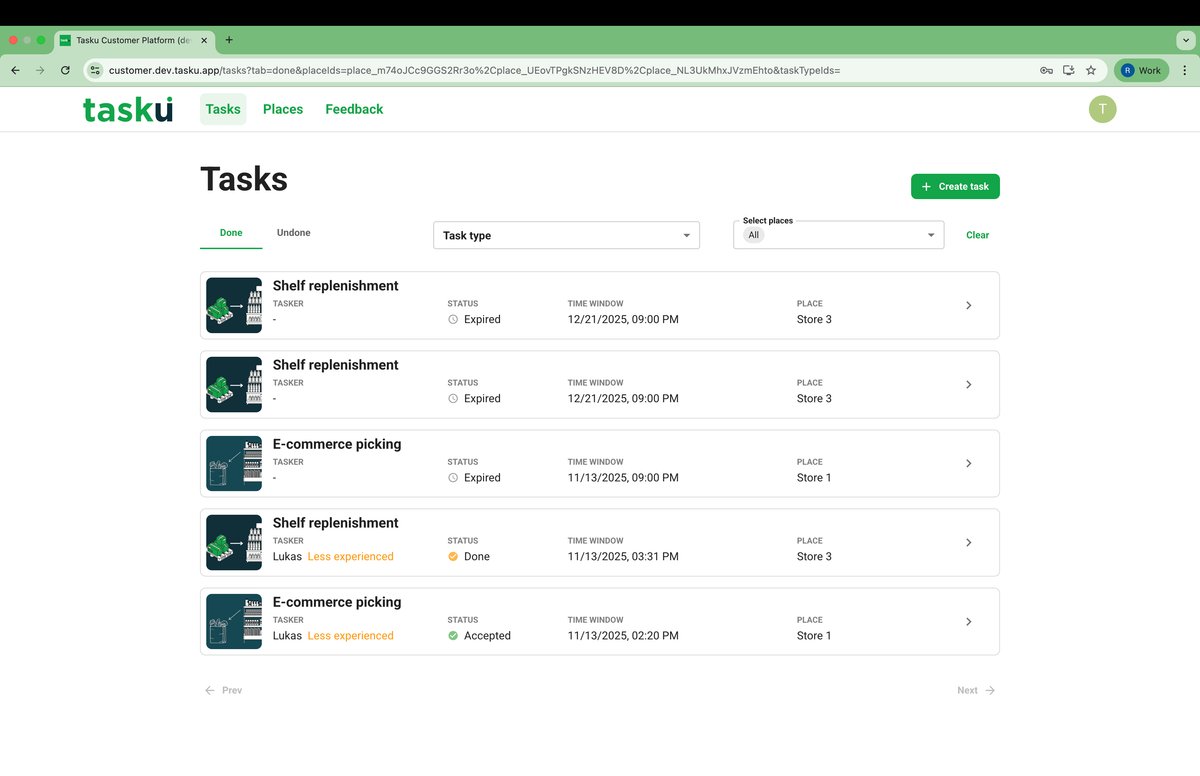
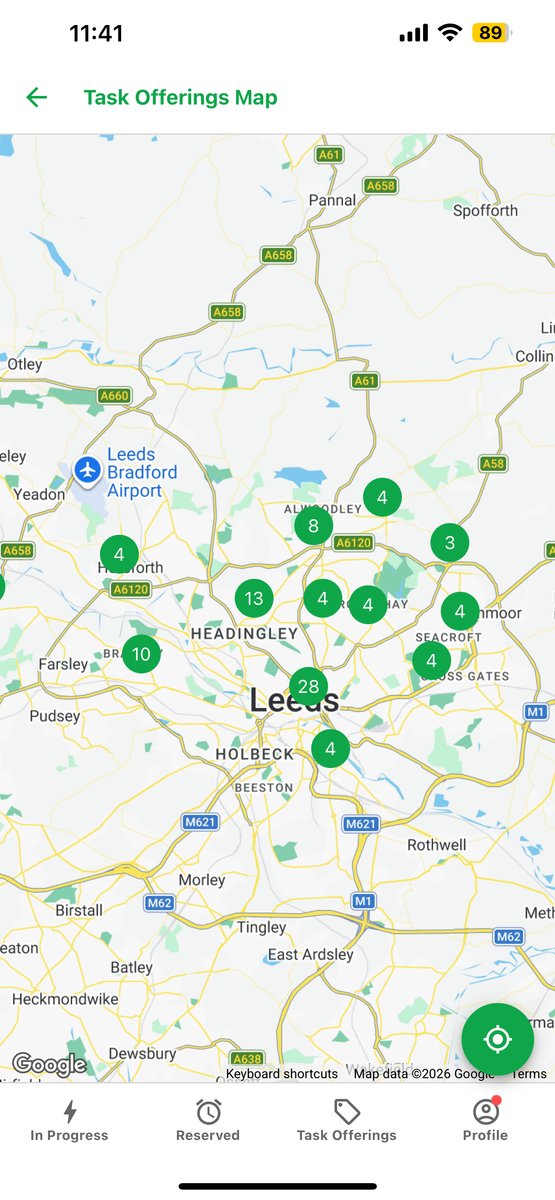
This is where Traxlo comes in with a fresh idea. It’s bringing a new model to the UK that’s all about flexible, task-based work. Instead of a supermarket needing to hire someone for a full shift when they only need a few specific jobs doing, they can post these jobs as individual tasks on the Traxlo platform. Think of it like ordering a taxi on your phone, but for work. These are for specific roles that need filling urgently.
This approach is what’s known as ‘outcome-priced’. The supermarket pays for the task to be completed, not for the hours a person works. For example, a store manager might notice the fruit and veg section needs replenishing. They can post this as a single task. A local person, part of a growing community of gig workers, can then accept the job, pop into the supermarket, complete it, and get paid. It’s a super flexible way to manage staffing needs without the long-term costs of hiring permanent staff to cover temporary gaps. This system connects gig workers directly with the grocery retail businesses needing help.
Why has Leeds been picked for this UK first?
So, why Leeds? The city has been chosen as Traxlo’s first UK test hub for some very good reasons. Leeds has a huge retail scene, with lots of major supermarket chains and distribution centres. It also has a diverse labour market, meaning there are lots of different people who might be looking for flexible work that fits around their lives. It's a key part of the regional economy.
This makes Leeds the perfect place to pilot a new way of thinking about grocery staffing. The idea is to create a system that works for everyone: the stores get the help they need, and local people get new opportunities to earn money. It’s a chance to see if this model can help bolster the local economy and create a more resilient community of workers and businesses. The success of this launch could change how supermarket staffing is handled across the entire UK.
Does this actually work?
This isn't just a wild idea; Traxlo has already proven its model works across Europe. The company has been operating for over three years and has successfully delivered more than 300,000 completed tasks. It works with some massive names in the grocery retail world, including the French supermarket giant Carrefour, which operates in dozens of countries. This experience shows that a task-based system can work at scale.
The types of jobs people do are exactly the ones that stores struggle to cover. The most common completed tasks include:
Shelf restocking and replenishment
Scanning for gaps on shelves
Pallet handling
Inventory control
Managing product expiry dates
Picking orders for online shopping
This model is part of a bigger shift towards digital labour platforms, which are becoming a more common way for people to find work. By bringing this system to the UK, Traxlo is offering a modern solution to an age-old operational problem.
What are the advantages for everyone?
The whole point of this new system is to offer clear advantages to everyone involved. It’s not just about helping the supermarkets. The benefits are designed to spread through the whole community. For shoppers, it means better shelf availability and a nicer shopping experience. For people in the local community, it offers new, flexible earning opportunities that can fit around other commitments. The list of advantages is pretty compelling:
Improved store performance and better shelf availability for grocery retailers.
New, flexible work opportunities for local residents.
Lower recruitment and labour management costs for the supermarket.
Reduced pressure on full-time staff, allowing them to focus on other roles.
A stronger community, with local stores becoming places to both earn and spend.
A word from the boss
The person behind Traxlo, CEO and Co-founder Paul Vezelis, explained why this launch is so important. He noted the challenges facing the retail sector today.
“Retailers are dealing with declining staff morale, rising employment costs and increasing operational complexity. By launching in Leeds, we’re putting our proven European model into a real UK retail environment, one with the scale, diversity and ambition to shape the future of grocery staffing.”
“Our pay-per-task approach reduces time and cost, improves operational resilience, and creates meaningful local work. It allows supermarkets to stay competitive while supporting their communities, and we are proud to provide the community in Leeds not only with more jobs, but full shelves and happy retailers.”
Yorkshire Team
The Yorkshire.com editorial team is made up of local writers, content creators, and tourism specialists who are passionate about showcasing the very best of God’s Own Country. With deep roots in Yorkshire’s communities, culture, food scene, landscapes, and visitor economy, the team works closely with local businesses, venues, and organisations to bring readers the latest news, events, travel inspiration, and insider guides from across the region. From hidden gems to headline festivals, Yorkshire.com is dedicated to celebrating everything that makes Yorkshire such a special place to live, work, and visit.
View all articles →


