
Welcome to Yorkshire
History • May 15th, 2026
|In the upland valley of Colsterdale, the twin waters of Leighton and Roundhill Reservoirs form part of a landscape thriving with engineering ambition and political negotiation.
The reservoirs were part of a broader effort by Leeds City Council to secure reliable water supplies for the rapidly expanding industrial city of Leeds. Engineers identified the Upper Ure catchment in the hills of Wensleydale as an ideal location for large storage reservoirs. Yet before a single stone could be laid, the scheme faced formidable opposition.
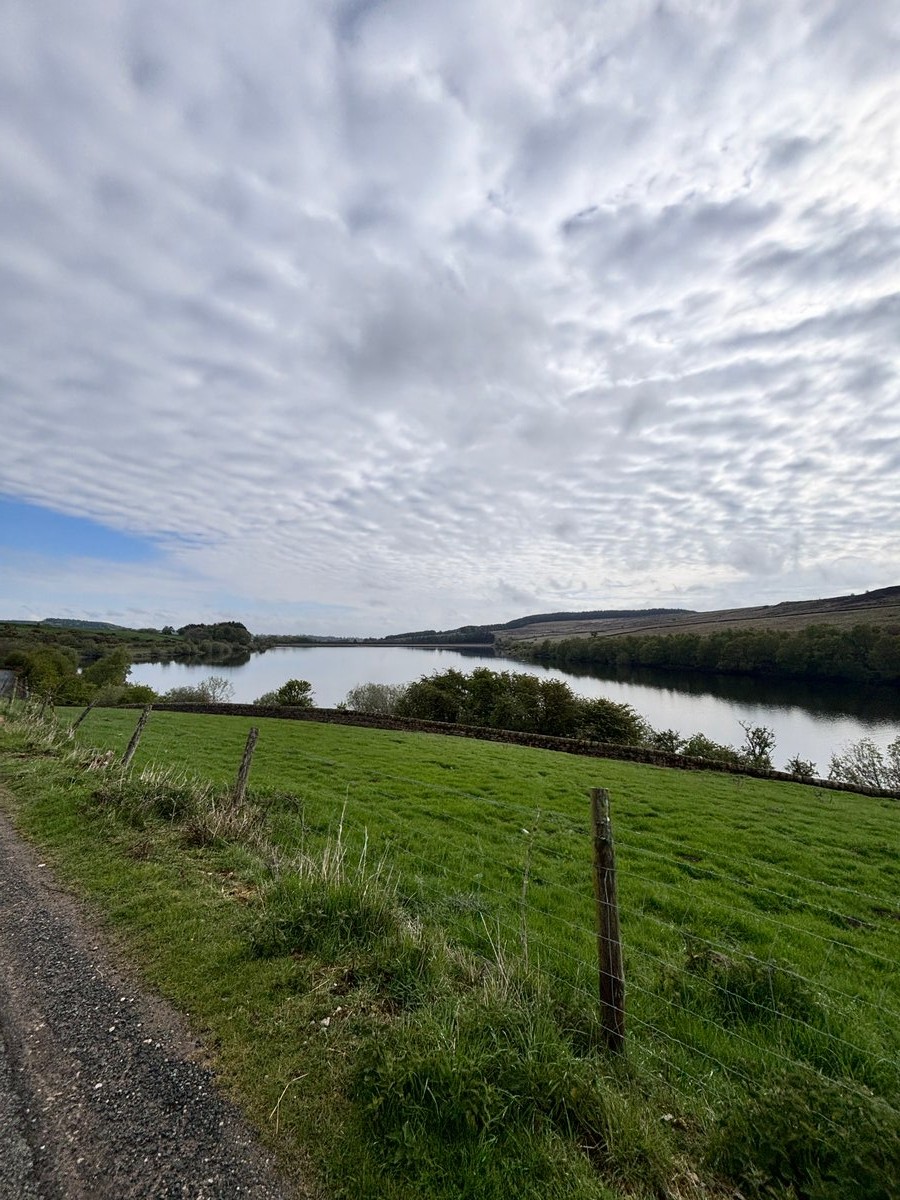
Powerful landowners held great influence over the site and the parliamentary approval process required for such works. Among them was Frederick Robinson, 1st Marquess of Ripon, whose estate included the historic ruins of Fountains Abbey. But one of the most persistent opponents was the Bradford industrialist Samuel Cunliffe Lister, 1st Baron Masham. His family’s Swinton estate lay close to several proposed reservoirs. In a petition to Parliament, he argued that the reservoirs at Colsterdale, Leighton and Healey would obstruct views and endanger property. Although compensation was eventually negotiated for the reservoirs that proceeded, the dispute significantly strained relations between Masham and the Leeds authorities.
Further complications arose from the rivalry between municipal corporations. While Leeds promoted Leighton Reservoir, Harrogate Borough Council sought permission to build Roundhill Reservoir upstream. Each authority planned its own railway to transport materials to the remote construction sites, leading to public disputes and delays despite the sites being only a few miles apart.
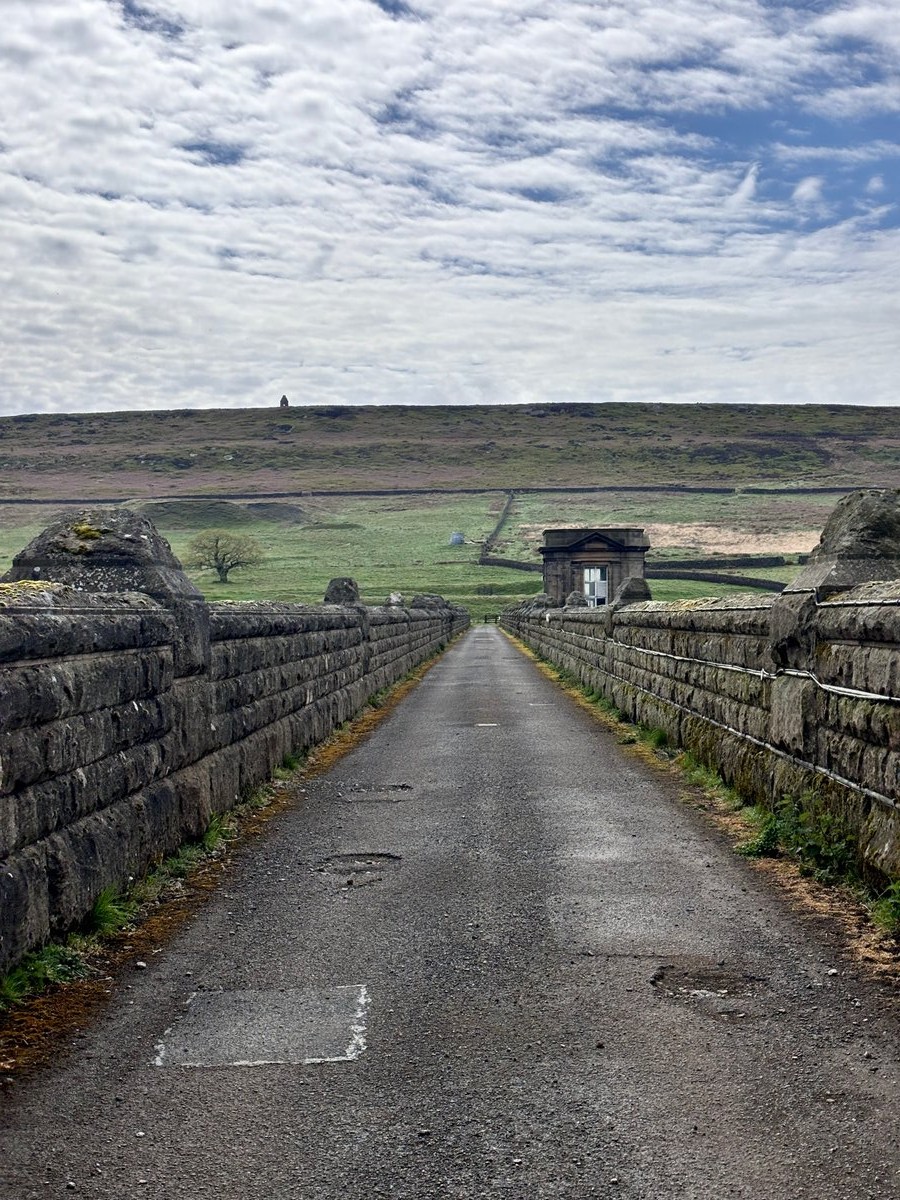
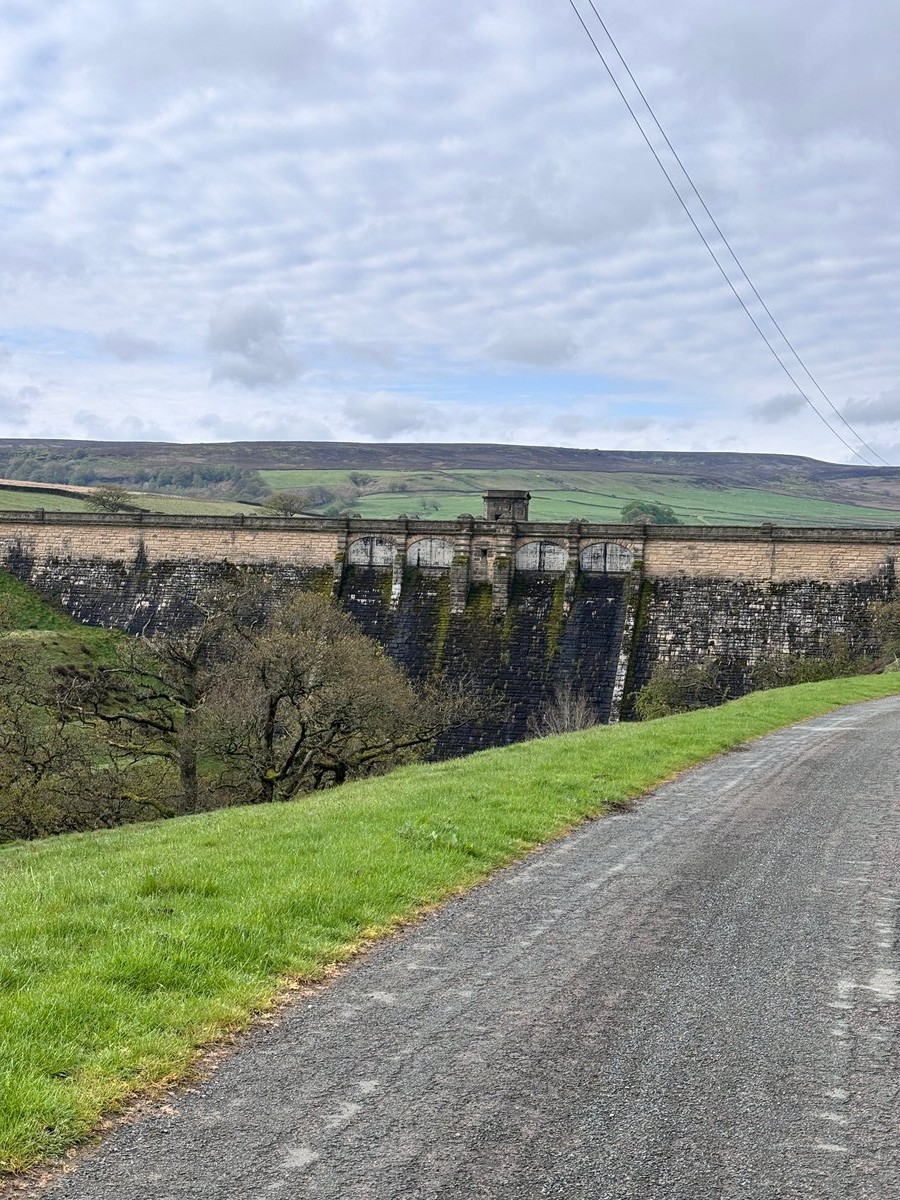
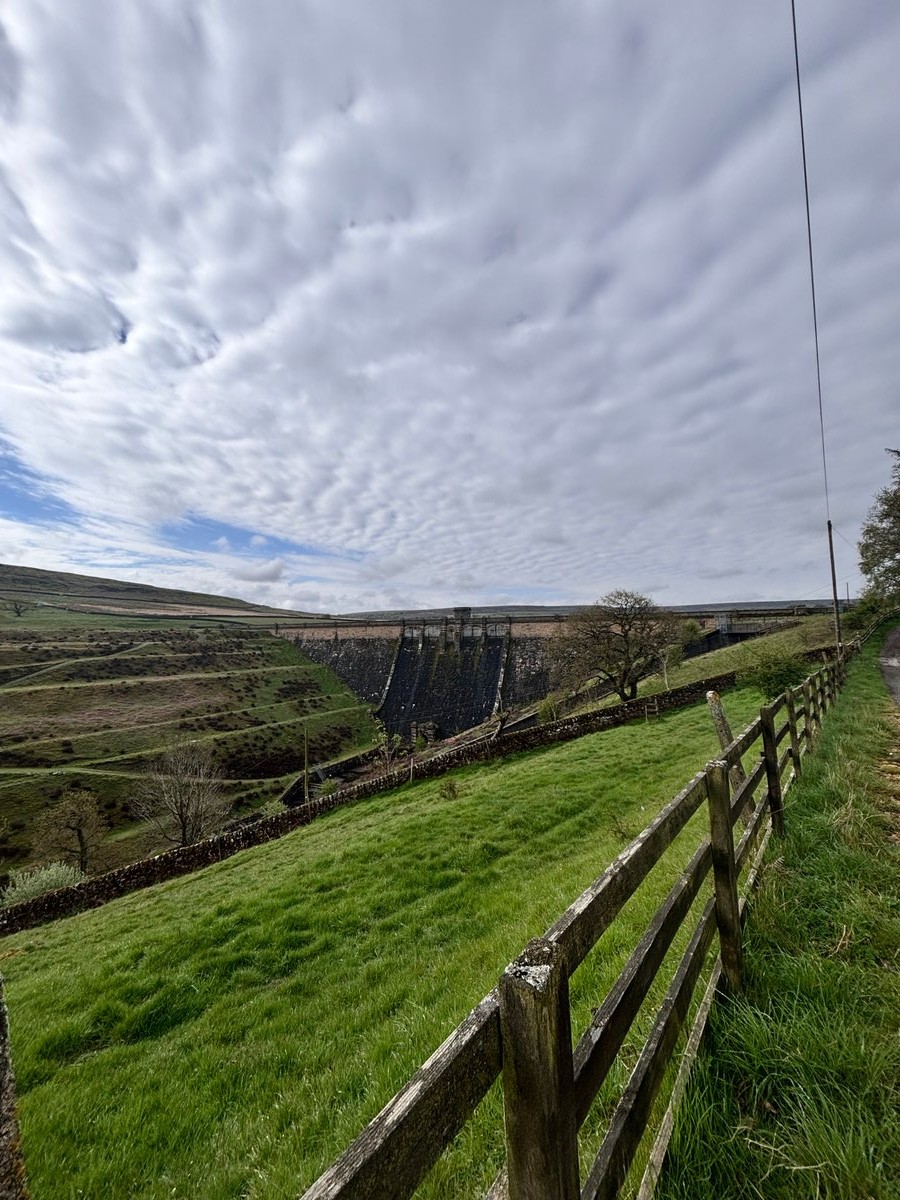
Despite these conflicts, both reservoirs were eventually constructed in the early 20th century. Architecturally, they reflect the robust engineering of the period, with massive earth embankments, stone-faced spillways, and carefully designed valve towers that combined utility with restrained Victorian aesthetics.
Address: Leighton Reservoir, Masham, North Yorkshire HG4 4JH
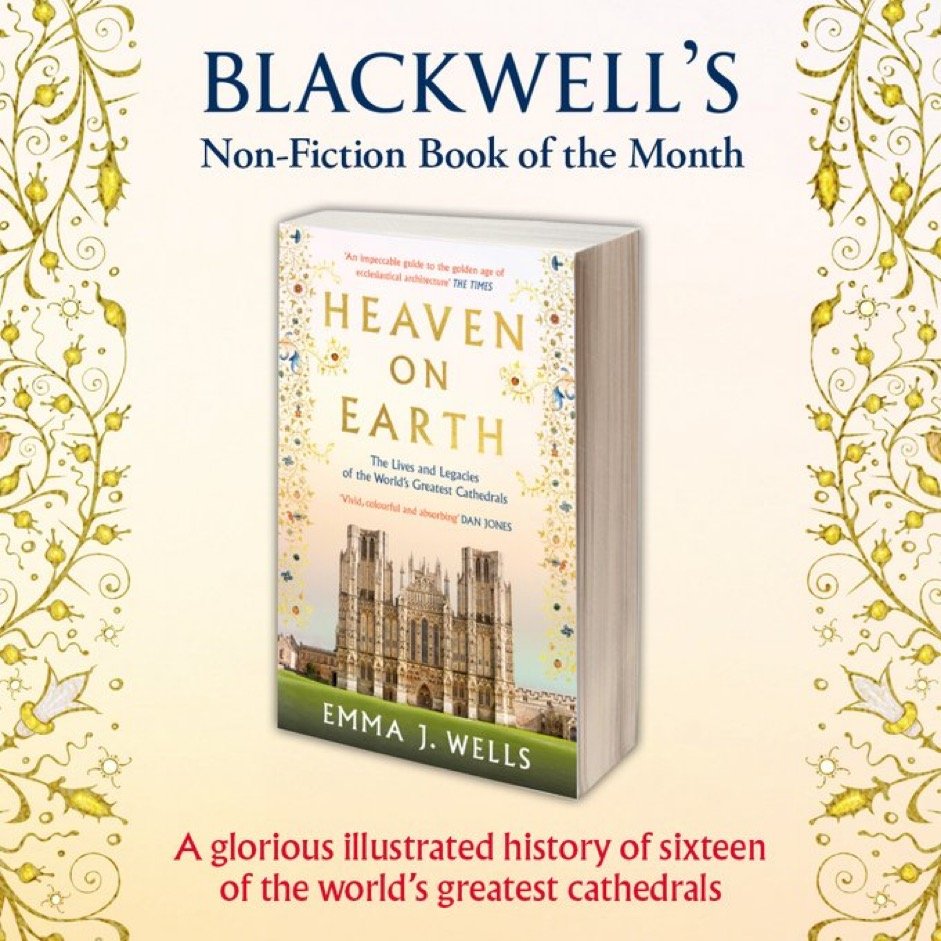
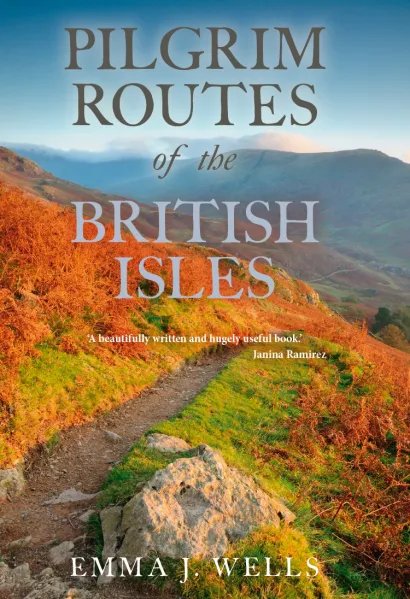
Books by Dr Emma Wells #ad
Emma Wells
Dr Emma Wells has appeared as a historian on Yesterday, Curiosity Stream, Viral History, From the Dales to the Sea – A Great British Story, and as a ‘Don’ on BBC Radio 4’s The 3rd Degree and much more. Her first book, Pilgrim Routes of the British Isles, was released in 2016, and her most recent book Heaven On Earth: The Lives & Legacies of the World’s Greatest Cathedrals, was published in 2022.
View all articles →


