
Welcome to Yorkshire
Published on December 4th, 2025
•Ever wondered where your favourite massive bands played their very first gigs? Chances are, it wasn't a shiny arena. It was probably a small, slightly sticky-floored local place with a sound system held together by hope and gaffer tape. These are the grassroots music venues that are the lifeblood of the entire music industry. But here’s the problem: they’re in trouble. A lot of them are closing down. So, when a music college decided to do something about it, people paid attention. A special tour with tickets for just £1 popped up across the UK, all to get people back into these brilliant small spaces and support the next generation of musical talent.
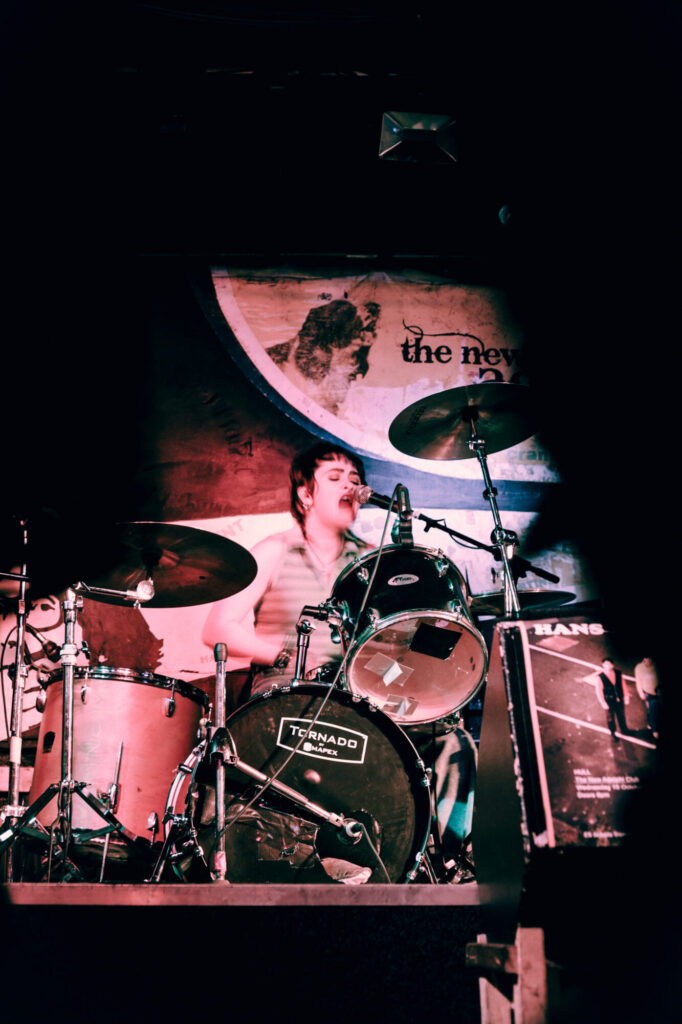
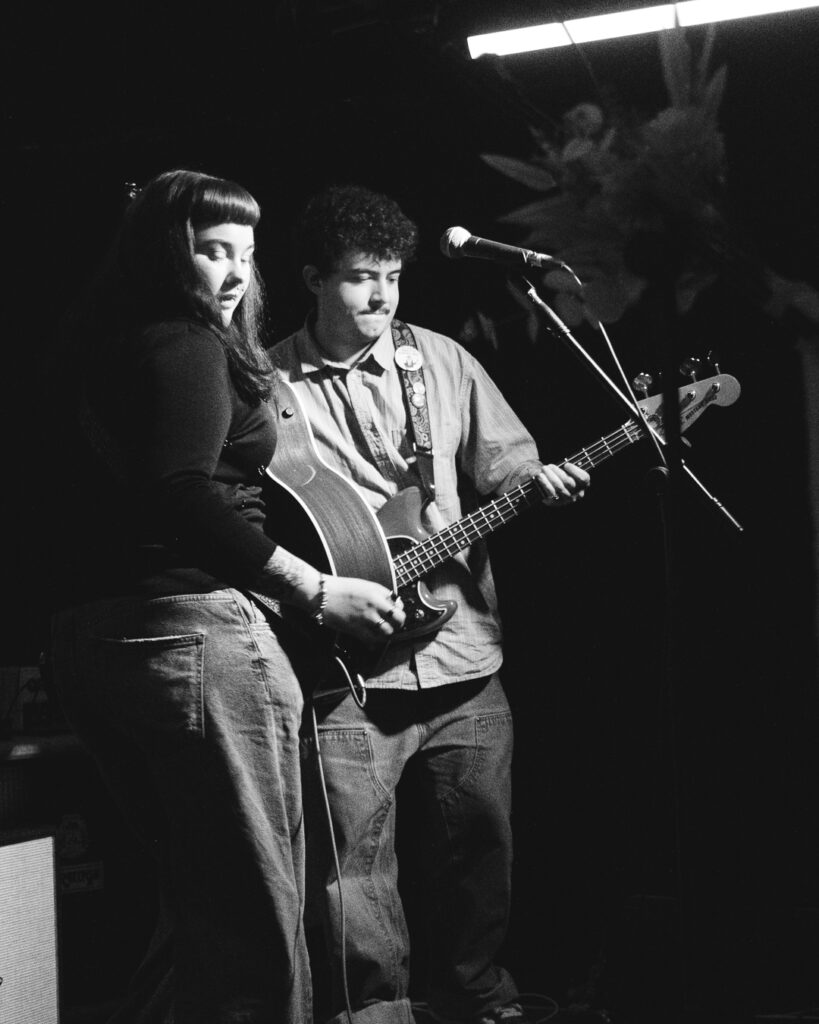






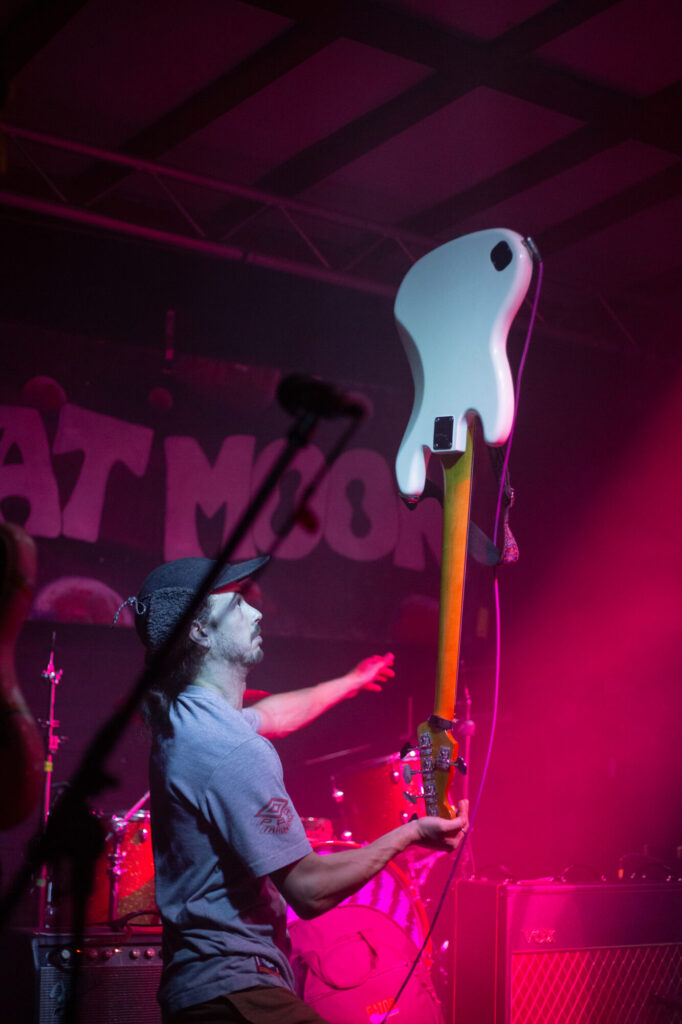

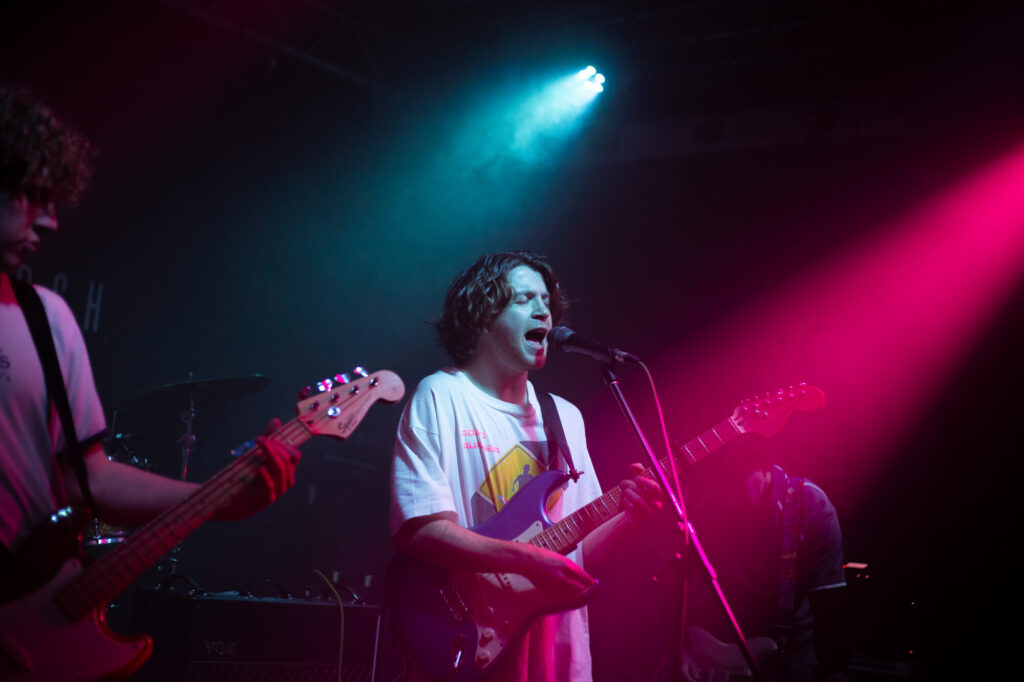

What's the big deal with grassroots venues anyway?
Right, let's get this sorted. A "grassroots venue" is basically the first proper stage an artist or a band ever steps on. It’s where they go from practising in a bedroom to playing in front of actual people. It’s where they learn how to fix a broken guitar string mid-song, how to chat with the audience, and how to deal with playing to just ten people on a rainy Tuesday night. These places are absolutely essential for a healthy music scene. Without them, there’s no pipeline for new talent to grow and eventually become the headliners we all love.
The Sheffield band Femur, who played one of the tour dates, put it perfectly:
“Without grassroots venues, we wouldn’t be where we are now. You need those early gigs where you’re playing to ten people, figuring it out, building confidence. That’s the difference between being an idea and becoming a band.”
They’re the training grounds. The laboratories. The very first rung on the ladder for all emerging artists. And right now, that rung is getting pretty wobbly, which is why this tour was so important for the live music industry.
A quid a ticket? a tour with a difference
This wasn’t just any old tour. Organised by WaterBear, The College of Music, in collaboration with the amazing Music Venue Trust, the ‘Keeping Music Live’ tour was a call to arms. It travelled to seven cities across the country in late October and early November, putting on gigs for just £1. Yep, a single quid. The idea was simple: make it so cheap that nobody could say no. And it worked. More than a thousand people came out to support the cause, with all the money from tickets going straight to the Music Venue Trust to help them continue their work of protecting these spaces.
The tour stopped at some legendary local spots:
- The New Adelphi Club in Hull
- Yellow Arch in Sheffield
- Castle Hotel in Manchester
- Rough Trade in Nottingham
- Voodoo Daddys in Norwich
- Rough Trade East in London
- WaterBear Venue in Brighton
Each night was a mix of breakthrough acts like Femur, Knife Bride, and Liz Mann, alongside a load of rising local artists and student performers. It was a massive show of support for a struggling scene.
The sound of the cities: what went down
Every stop on the tour had its own unique vibe. In Sheffield, on October 27th, Yellow Arch Studios was bouncing to the sounds of Femur, with support from other brilliant local acts like Flat Moon and Milly Pye. Over at Corporation nightclub, there was a showcase of raw talent from the Slambarz project. The whole city was buzzing with live music.
Up in Hull, headliner Maftin was blown away by the variety of artists on the bill. He said, “It really demonstrated the depth of interesting Yorkshire-based artists pushing boundaries. Without institutions like Music Venue Trust it wouldn't be possible. It's vital we continue to fight for independent venues in such tough times.”
From Manchester to Brighton, the story was the same. A brilliant mix of headliners, emerging artists, and local openers all sharing a stage for the same reason: keeping these vital venues alive. The people who came to watch were just as passionate. Milly Pye, a student artist from Sheffield, summed up the feeling after her set:
“The energy was great tonight. I feel like everybody's here for a really good reason. We all just want to find community within music and keep these spaces alive.”
It proved that if you put on great music for a good cause, people will show up. Simple as that.
More than just a support act
One of the smartest things about this tour was how it involved the students from WaterBear. This wasn't a case of the college students just getting a five-minute opening slot before the 'real' bands came on. Not at all. In every one of the cities, students were programmed right into the main lineup. They played full sets in proper, established venues, sharing the bill with touring acts and local headliners. For the students, it was priceless real-world experience. For the venues, it brought new crowds through the door. It showed how a music college can properly connect with the local scene and strengthen the live music circuit. It’s a blueprint for how the industry can adapt and ensure that the first step into a music career remains there for those just starting out.
Eve Massaad, the CMO at WaterBear, explained the college's commitment:
“There is a huge amount of talent coming through at WaterBear and in cities across the UK. We know that new and emerging artists need a thriving live music scene to support their careers. We’re dedicated to doing our part in supporting our students and new artists from across the UK whilst shining a light on our amazing grassroots venues. We are proud to be part of something that has put these spaces back in the spotlight and reminded people what they are worth.”
Why this matters more than ever
Let's be honest, things are looking pretty grim for many small venues. A report from the Music Venue Trust in 2024 revealed that 125 grassroots venues closed last year alone. That's the worst year on record. Every time a venue closes, it’s not just a building that’s lost. It’s a community hub, a network of jobs, and a stage that will never be used again by new acts. That’s why the 'Keeping Music Live' tour and other campaigns like it are so important. They are actively helping to turn things around and make sure the live music industry has a future. The tour brought people together and reminded everyone that these small venues are worth fighting for. The support from the local community for this tour demonstrates a collective desire to keep the music playing.
What's next for keeping music live?
The good news is that this wasn’t a one-off. This project is set to continue all the way into 2026, offering more support for both grassroots venues and the thousands of young and emerging artists who need them. It’s a long-term commitment. And the driving force behind it, WaterBear Music College, is growing too. They’ve opened a second venue in Brighton and expanded their campus, and the Sheffield college has seen a huge jump in student enrolment. It seems that connecting education directly with the live scene is a winning formula. The tour has shown that with a bit of creative thinking and a lot of passion, it’s possible to get people excited about live music again, support a brilliant cause, and have a great night out. All for the price of a bag of crisps.
Yorkshire Team
The Yorkshire.com editorial team is made up of local writers, content creators, and tourism specialists who are passionate about showcasing the very best of God’s Own Country. With deep roots in Yorkshire’s communities, culture, food scene, landscapes, and visitor economy, the team works closely with local businesses, venues, and organisations to bring readers the latest news, events, travel inspiration, and insider guides from across the region. From hidden gems to headline festivals, Yorkshire.com is dedicated to celebrating everything that makes Yorkshire such a special place to live, work, and visit.
View all articles →