
Welcome to Yorkshire
Published on December 5th, 2025
•On the southern bank of the River Swale, just beyond the quaint and historically significant village of Myton-on-Swale in North Yorkshire, stands Myton Hall, a house whose elegant façade conceals nearly 1,000 years of history. The story of its estate begins long before the current building took shape. During the reign of Edward the Confessor, the manor of Myton was already a settled holding, later granted to St Mary’s Abbey at York, in 1294. For centuries, the abbey’s monks oversaw its fertile lands until Henry VIII’s Dissolution swept their power away. In the early 17th century, the manor passed into the hands of the Stapylton family, an ambitious gentry dynasty.
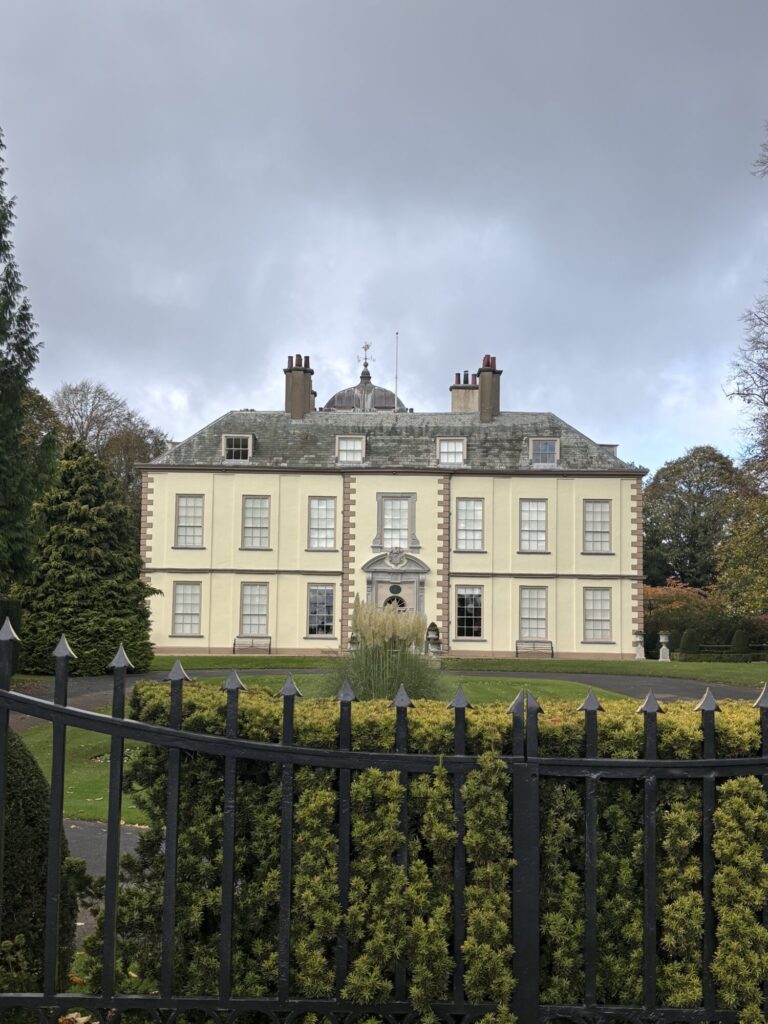
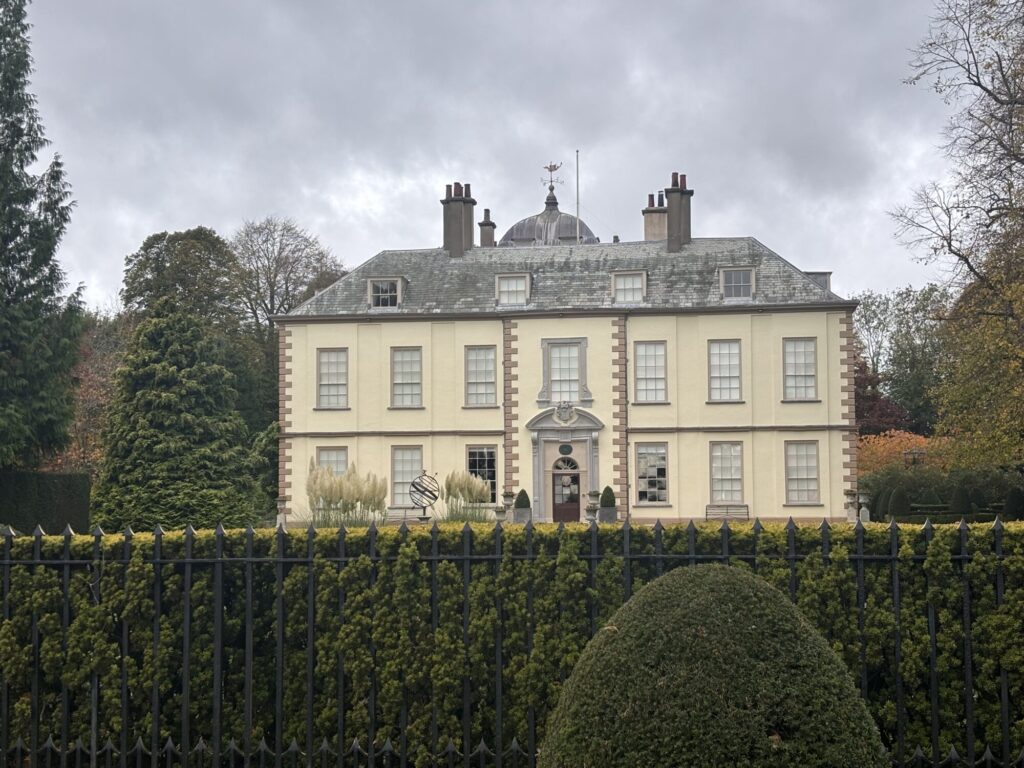
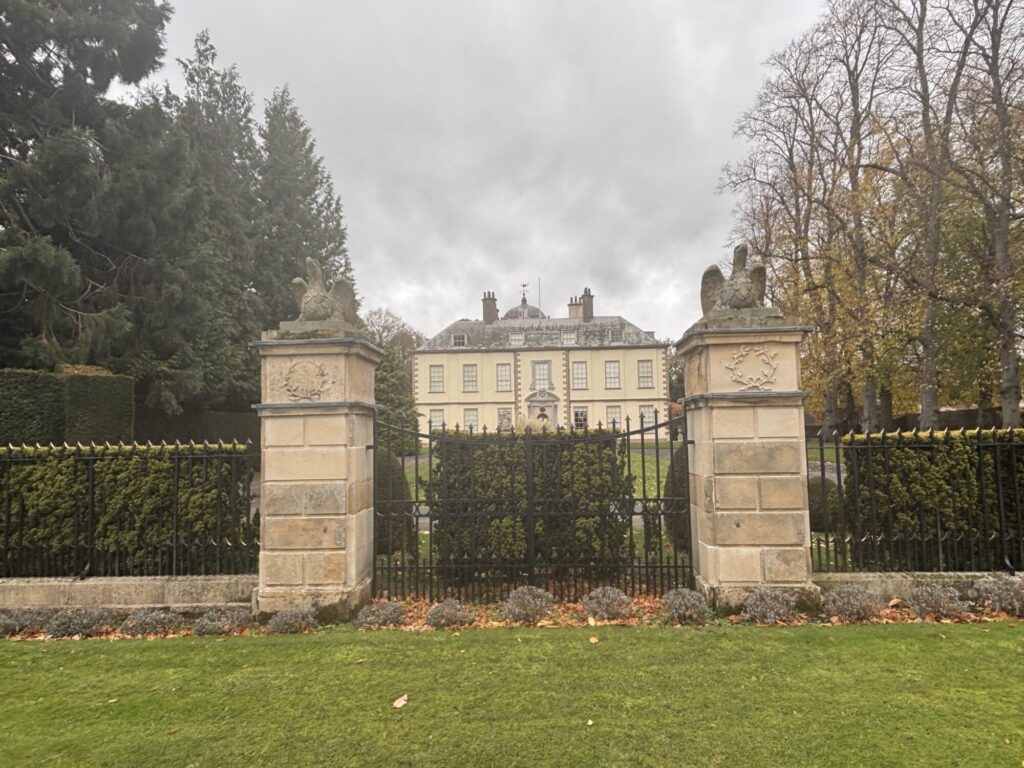
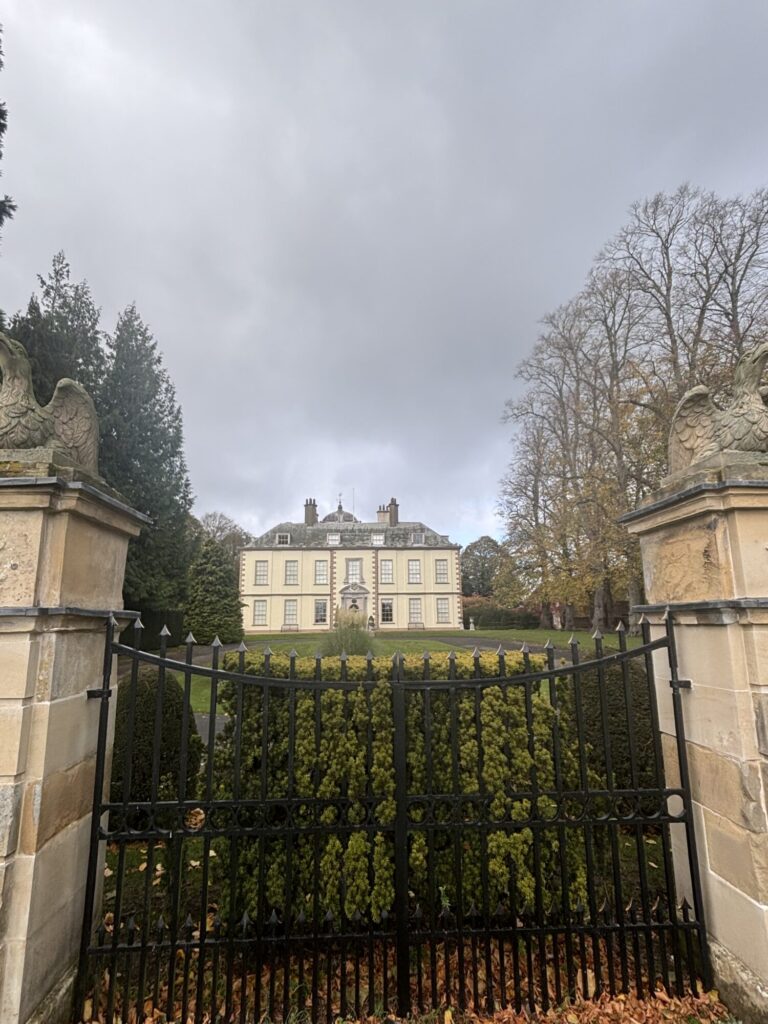
The present hall dates from around 1693, as a brass plaque above the door declares; however, this has been reset and a date in the 1680s has instead been offered. It was likely commissioned by one of the early Stapyltons and may have been designed by York architect, John Etty. Standing two storeys high, the house is built of stuccoed brick with stone quoins and a hipped slate roof. Its symmetrical seven-bay front is a study in late-17th-century restraint and refinement. The central doorway is its proudest feature: fluted pilasters frame a fine architrave, all crowned by a curved pediment bearing the family’s coat of arms.
Moreover, the ogee dome which sits proudly in the centre dates likely to c.1900.
Inside, much of the original work remains intact. The entrance hall, with its oak panelling and broad staircase, speaks of Restoration confidence, while the saloon retains its Palladian decoration of plaster and wood, and the dining room ceiling still bears 17th-century craftsmanship.
By the 19th century, under Henry Miles Stapylton, the estate expanded into a model of rural order: pleasure grounds and wooded belts framed sweeping parkland, a walled kitchen garden supplied the house, and fine gate lodges announced the driveways.
Myton remained in the hands of the Stapylton family well into the 20th century, though financial pressures eventually forced the sale of parts of the estate. The male line also ceased in 1933 and, with the death of the last heir, much of the remaining farmland and village property was gradually dispersed. In 1946, the hall, together with much of its surrounding parkland, passed to Mr Lewis Albert Thomas, a farmer and company director, who made it his home for more than forty years. Following his death in 1987, the property was purchased by Sir Ken Morrison, former chairman of Morrison Supermarkets.
Address: Myton Hall, 2 Helperby and Myton Ln, Myton-on-Swale, York YO61 2QX, United Kingdom
Books by Dr Emma Wells
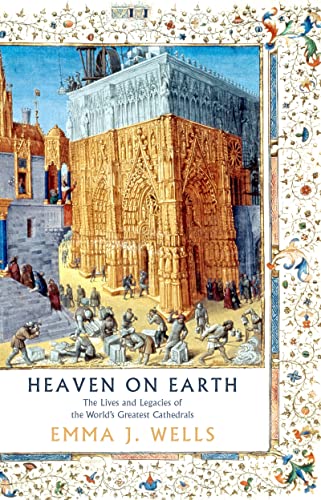
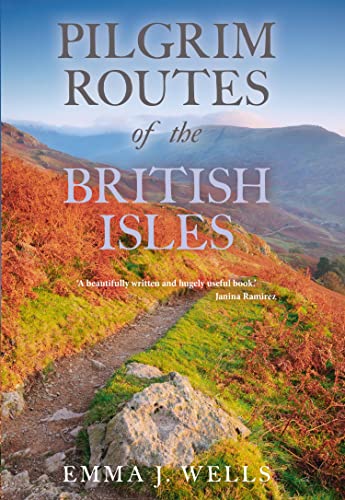
Emma Wells
Dr Emma Wells has appeared as a historian on Yesterday, Curiosity Stream, Viral History, From the Dales to the Sea – A Great British Story, and as a ‘Don’ on BBC Radio 4’s The 3rd Degree and much more. Her first book, Pilgrim Routes of the British Isles, was released in 2016, and her most recent book Heaven On Earth: The Lives & Legacies of the World’s Greatest Cathedrals, was published in 2022.
View all articles →