
Welcome to Yorkshire
Published on December 15th, 2025
•In 1952, life in Hull saw Queen Elizabeth II ascend the throne while post-war rationing continued. The city's industry was powered by the St Andrew’s Dock fishing trade. For leisure, residents took steam trains for seaside trips and cheered on Hull City AFC at the old Boothferry Park ground.
Ever wondered what life was like ages ago, long before smartphones, the internet, or even colour TV? Imagine stepping back in time to 1952. It was a massive year for Britain. A new queen was on the throne, and the country was still finding its feet after a huge war. But what was daily life really like for ordinary people, especially in a city like Hull? Old photos, like those found in the Hull Daily Mail archives, give us a peek into this completely different world. It was a time of big changes, hardship, but also a huge amount of community spirit, especially in this corner of East Yorkshire.
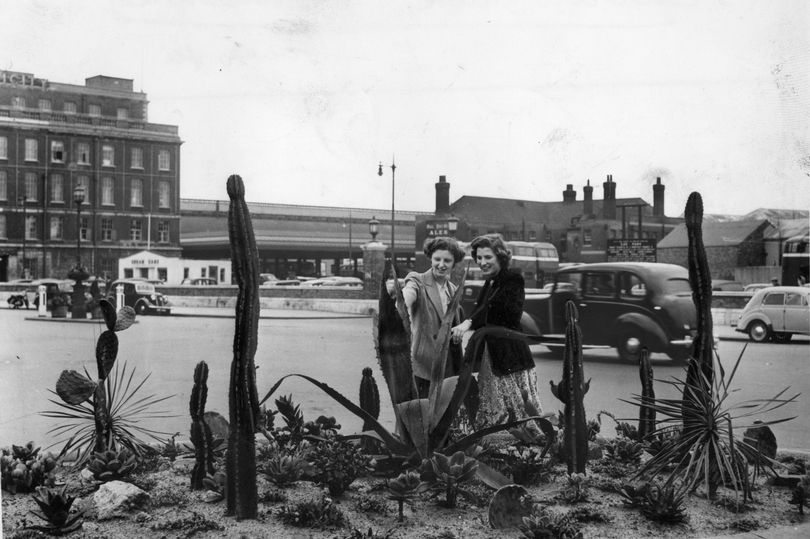
A new queen and a changing nation
The year 1952 started with some sad news. In February, King George VI passed away, which meant his daughter, Princess Elizabeth, suddenly became Queen Elizabeth II. This was a massive deal. It marked the beginning of what people called the new Elizabethan age. Everyone was looking forward to her official crowning ceremony, the coronation, which was planned for the following year.
But while there was excitement for the future, the past was still very present. Rationing was still a thing. Imagine having a little book of coupons that told you how much sugar, butter, or meat your family could buy each week. It was a leftover from the war, and it meant daily life required careful planning. This was the backdrop for everything happening in the country, from London all the way up to the city of Hull as it moved through the mid-20th century.
Showing off some civic pride in Hull
Despite the rationing and the hard work of rebuilding, the people of Hull had a lot of pride in their city. You could see it everywhere. The historic Guildhall, a grand old building, was the centre of all the important stuff. In April 1952, it hosted a big parade for the Easter Quarter sessions luncheon. This wasn't just a stuffy event; it was a display of civic pride.
People would have lined the streets to watch the procession, showing a real sense of togetherness. This community spirit was essential. After everything the city had been through, seeing these traditions continue was a sign that things were getting back to normal. It showed that the people of Hull were resilient and determined to build a bright future. The city was dusting itself off and looking forward, and this strong community spirit was its driving force.
Getting around and cheering on the Tigers
So, how did people get around? Well, a trip to the seaside was a proper adventure. People in Hull would head to the now-vanished Botanic Gardens station to catch a steam train to places like Withernsea. You can just picture the scene: families queuing on the platform, the hiss of the steam engine, the excitement of a day out. It was a world away from just jumping in a car. And what about entertainment? For many in Hull, weekends were all about football.
The place to be was Boothferry Park, the old home of Hull City AFC. The atmosphere on a match day in 1952 would have been electric. Thousands of fans, all wrapped up against the cold, cheering on their team. Boothferry Park holds a lot of fond memories for older fans of Hull City AFC, a proper old-school football ground where you were right on top of the action.
A city built on industry and shopping treats
The real engine of the city was its industry. St Andrew’s Dock was buzzing with activity. The air would have been filled with the sounds of cranes and the smell of the sea. This was the heart of Hull’s fishing industry, a tough and vital part of daily life for thousands of families.
It was this hard work that kept the city going. But it wasn't all work and no play. For a bit of a treat, people might head to a department store like Thornton Varley. An image from the summer of 1952 shows this once-famous shop. It would have been a place of wonder, with all sorts of goods on display that you couldn't get just anywhere. For many, a trip there was a special occasion, a glimpse of the more prosperous times that were just around the corner as the 20th century progressed.
School days and a touch of celebrity sparkle
Life wasn't just about the adults, of course. An amazing image from July 1952 shows pupils from the Newland School for Girls all lined up for a photo. They look smart in their uniforms, a snapshot of school life from a different era. What would their lessons have been like? What games did they play in the yard? It’s a real window into the past. And sometimes, a bit of glamour came to Hull. On November 23rd, 1952, the city had a visit from a real celebrity trio.
The famous singer Max Bygraves and fellow singer Joan Regan were photographed alongside Hull’s very own rising star, the singer David Whitfield. It must have been a huge thrill for local people to see a celebrity in their city, a reminder that they were connected to the exciting world of showbiz, even as Queen Elizabeth II was just beginning her long time on the throne.
Yorkshire Team
The Yorkshire.com editorial team is made up of local writers, content creators, and tourism specialists who are passionate about showcasing the very best of God’s Own Country. With deep roots in Yorkshire’s communities, culture, food scene, landscapes, and visitor economy, the team works closely with local businesses, venues, and organisations to bring readers the latest news, events, travel inspiration, and insider guides from across the region. From hidden gems to headline festivals, Yorkshire.com is dedicated to celebrating everything that makes Yorkshire such a special place to live, work, and visit.
View all articles →