
Welcome to Yorkshire
Published on September 16th, 2025
•After a summer that felt like it would never end, with parched parks and record-breaking heat, the weather has finally flipped. The familiar sound of rain has returned to Yorkshire, and it seems to be making up for lost time. For the first time since January, this constant rainfall is actually having a positive effect on the region's water supplies. The levels in our reservoirs have seen a slight, but very welcome, increase.
It's a bit of good news after months of worry about the water situation, but it doesn't mean things are back to normal just yet.
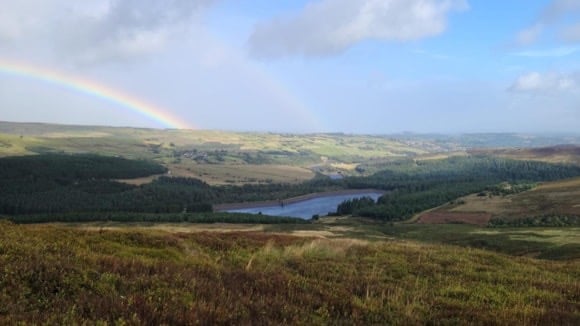
A small step in the right direction
It's been a long eight months. The first half of the year was one of the driest on record, leading the Environment Agency to make a formal drought declaration for Yorkshire back in June. So, hearing that the reservoir levels are going up is a relief. As of Monday, Yorkshire's reservoirs were at 30.8% capacity. That's an increase of 0.2% in just seven days. Now, 0.2% might sound tiny, like finding a loose 2p coin in your pocket. But it's the first time the levels have gone up, not down, all year. And what's even more encouraging is that the heavy rainfall from earlier this week hasn't even reached the reservoirs yet. Think of it like this: a reservoir isn't just a big concrete bowl.
It's fed by a huge area of land called a catchment. When rain falls on the hills and moors in the catchment, it soaks into the ground and slowly trickles downhill, eventually ending up in the streams that feed the reservoir. This process takes time. So, the downpours from Monday and Tuesday are still on their journey through the catchment and will be topping up the levels over the coming days. This wet weather also helps replenish the groundwater, which is the water stored in the natural spaces underground. Both the river levels and groundwater are seeing a positive impact from the recent rainfall.
Don't dust off the sprinklers just yet
So, with all this rain, does that mean the hosepipe ban is over? In a word, no. While the rise in water levels is brilliant news, the reservoirs are still incredibly low for this time of year. In fact, they're the lowest they have ever been at the start of autumn. The recent rainfall is just the beginning of what's needed. To get the reservoirs back to a healthy state, Yorkshire needs this wet weather to continue right through the autumn and into the winter. These are the key months for refilling the water supply for the year ahead. So, for now, the restrictions, including the hosepipe ban, have to stay in place.
Dave Kaye, who is the director of water services at Yorkshire Water, put it clearly:
"With the start of autumn, we've seen a lot more rain. It's incredibly welcome, and it has had a positive impact on our reservoirs and river levels. Further heavy rain earlier this week will still be making its way through the catchments, which will also contribute to improvements in reservoir and groundwater levels over the coming days."
But he also cautioned: "While this is positive, we still have a long way to go to get our reservoir levels back to where they need to be. Reservoirs are still the lowest they have ever been for this time of year, and we need this wet weather to continue throughout the autumn and winter."
What else is being done to help the water levels?
It's not just about waiting for rain. Yorkshire Water has been taking extra steps to manage the situation. They recently got special permission through things called drought orders and permits. What are these? Basically, they are temporary licences that allow the company to take more water from rivers like the Ouse and the Wharfe. They also allow for a reduction in the amount of water that has to be released from certain reservoirs in the south and north-west of the region.
This takes some of the pressure off the struggling reservoirs, giving them a much-needed chance to recover and benefit from any rainfall we get. It's a bit like putting a patient on bed rest to help them heal faster. This is a serious measure to combat the drought and help improve reservoir levels. Dave Kaye explained: "We were recently granted a number of drought orders and permits which allow us to abstract more water from the Ouse and the Wharfe and to reduce the flows out of reservoirs in the south and north-west of the region. This will lower the burden on our reservoirs, allowing them to recover during periods of rainfall like we have been seeing."
Everyone's mucking in to help
A massive part of the story is how people across Yorkshire have responded. Since the hosepipe restrictions were introduced, the demand for water has dropped by a huge 10%. That's a fantastic effort and has made a real difference, helping to preserve the water that's left in the reservoirs. Alongside people saving water at home, Yorkshire Water is tackling the issue of leakage. Nobody wants to see precious water being wasted. The company has sped up its response to leaks since the hosepipe ban began.
On average, repairs are now being completed 33% faster. Getting those repairs done quickly is vital to stop water from being lost before it even reaches anyone's tap. As Dave Kaye noted: "We're also asking customers to continue doing what they can to save water so that our reservoirs can benefit as much as possible during periods of rainfall - they've been doing a brilliant job so far, with demand down 10%. At the same time, we're going to continue working hard at bringing leakage down.
We've accelerated our response to leaks since the implementation of the hosepipe ban - completing repairs 33% faster, on average." So, while the recent wet weather is a hopeful sign, the journey to recovery for Yorkshire's water supply is a marathon, not a sprint. The combined effort of continued rainfall, ongoing restrictions, special drought permits, and everyone saving water is what will get the reservoirs back to where they need to be.
Yorkshire Team
The Yorkshire.com editorial team is made up of local writers, content creators, and tourism specialists who are passionate about showcasing the very best of God’s Own Country. With deep roots in Yorkshire’s communities, culture, food scene, landscapes, and visitor economy, the team works closely with local businesses, venues, and organisations to bring readers the latest news, events, travel inspiration, and insider guides from across the region. From hidden gems to headline festivals, Yorkshire.com is dedicated to celebrating everything that makes Yorkshire such a special place to live, work, and visit.
View all articles →