Welcome to Yorkshire
News • July 29th, 2025
|Ever wondered what happens to a town when the main source of jobs, like a massive factory or a coal mine, shuts down? It changes everything. The stories of the people who lived and worked there, their families, and their whole way of life can sometimes get lost.
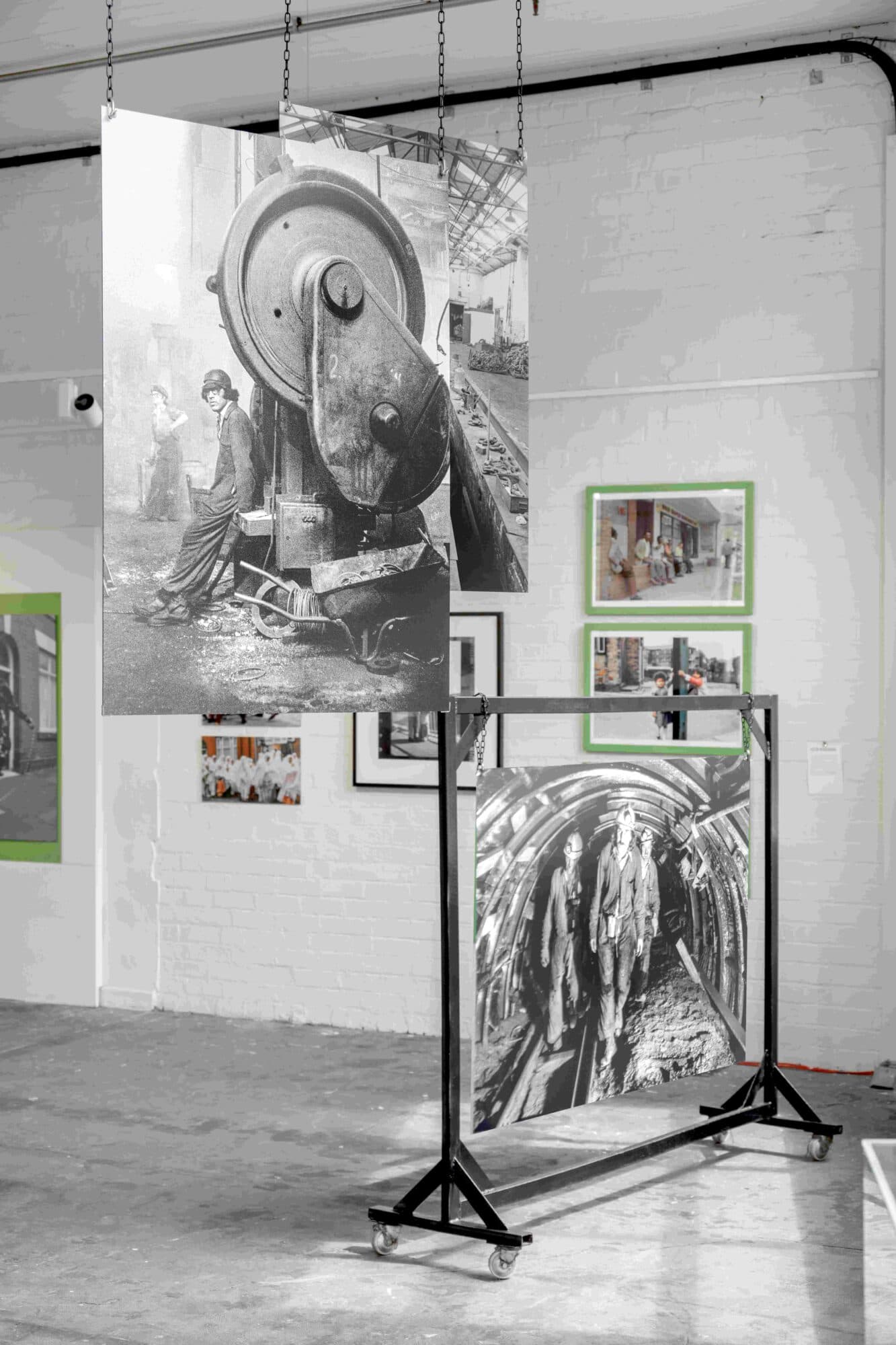
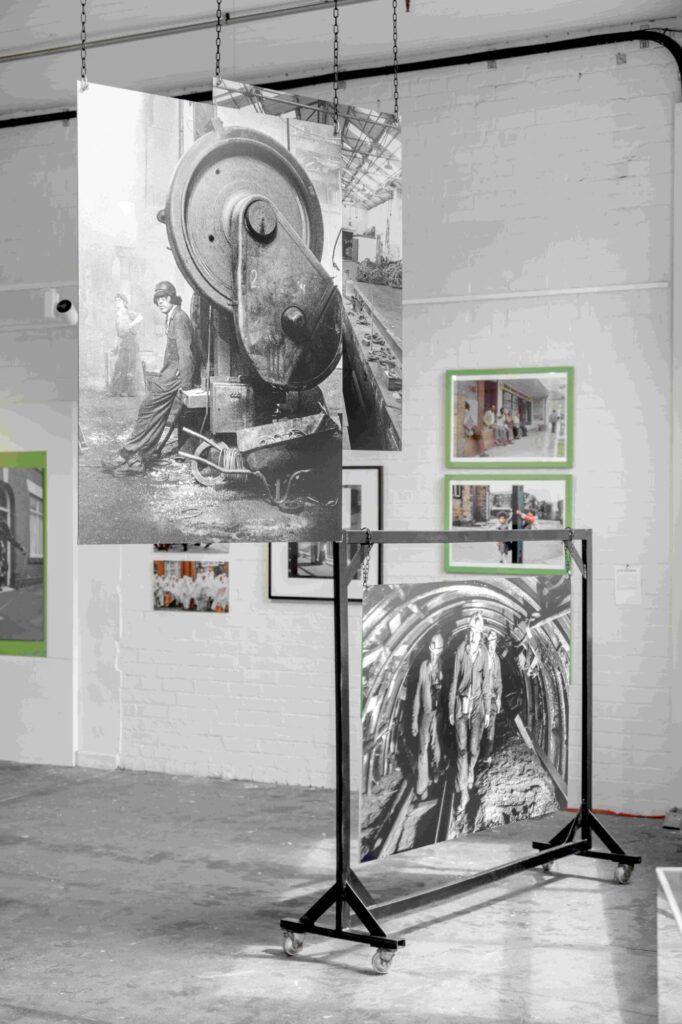
A brilliant new exhibition at Sunny Bank Mills in Farsley, called ‘Many Hands: Class, Community and the Changing Face of Industry’, is making sure those stories get told. It brings together incredible working-class artists who use photography to explore how big shifts in industry and migration have shaped who people are across the UK. This isn't just about looking at old photos; it's about understanding how the past still shapes the present for so many communities.
What's the story behind Many Hands?
Think about the word 'class'. It’s not just about how much money someone has. It’s in the food people cook, the slang they use with their mates, the traditions they keep, and the pride they have in where they come from. The Many Hands photography exhibition gets this. Co-curated by the team at the Sunny Bank Mills Art Gallery and the folks at Working Class Creatives (which is a special type of company set up to help the community, known as a CIC), this exhibition digs deep into what working-class life is really like. It cleverly mixes historic pictures from the archives with brand-new work from contemporary artists.
The whole point is to show the real, lived experience of class. It’s an exploration of identity, looking at how the decline of heavy industry has echoed through generations. The collection of photographs tells a story of resilience and belonging, capturing moments that define a community. It’s about how people carry their past with them, not as a burden, but as part of who they are today. This powerful combination of old and new gives a full picture of the working experience and its lasting impact.
More than just pictures on a wall
If you think an art gallery is just a quiet room with pictures, think again. This exhibition is designed to pull you right in. It’s a mix of photography, special installations, and even film. It’s a big deal for the gallery, and they've pulled out all the stops.
Anna Turzynski, the Arts Director at Sunny Bank Mills, is clearly pleased with it. She said:
“This is the first major photography exhibition held at the Gallery and the quality of the work on show is phenomenal. We are so honoured to host such exceptional talent alongside archival images from the Mills’ collection. What I love most is the immersive mix of photography, installation and film that invites you to engage, share and be inspired.”
The curators from Working Class Creatives, Seren Metcalfe and Chanelle Windas, also wanted to make sure the exhibition was more than just a sad story about loss. When big industries close down, something often called 'deindustrialisation', it can be tough on communities. But it's not the only story. They explained:
“Representing artists from different generations was super important for us, to create a space to critically reflect on the lived realities and resistances of working class communities during and after deindustrialisation. We are aware of the growing critique that working class life must not only be framed through the lens of loss and hardship. That we need to move past documenting Working Class life in a voyeuristic sense. That we should celebrate our roots and our blooms, and this exhibition responds to that, showcasing lives lived with immense creativity and community whilst refusing to look away from the structures that shaped, and continue to shape, these communities.”
From Bradford to Scotland: Stories from across the UK
This exhibition isn't just focused on one town. The photographs on display stretch all across the UK, telling stories from Scotland, the North East, the Midlands, and right next door in Bradford. The work spans from the 1970s right up to today, showing how things have changed over the decades. Many of the artists have simply pointed their cameras at the world around them—their own families, friends, and neighbours.
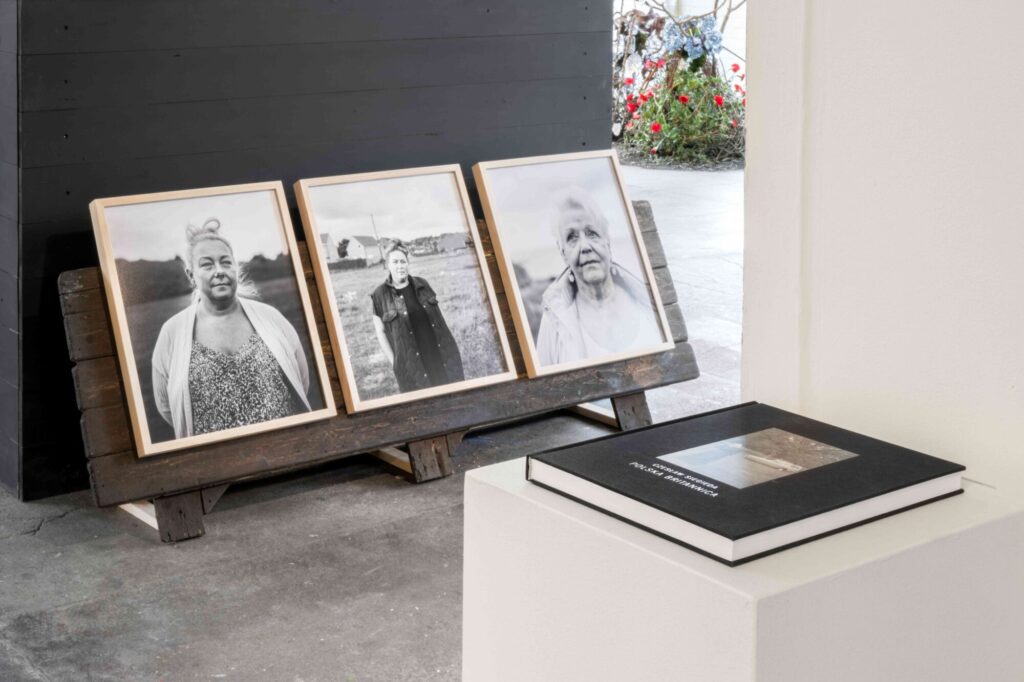
In doing so, they’ve created a vital record of everyday life for industrial workers. This includes an amazing look into smaller communities of Polish, Irish, Caribbean, and South Asian people whose contributions were a huge part of the UK’s industrial story. Natalie Kolowiecki, one of the curators, added that some artists also tackle modern-day struggles, like the gig economy and the housing crisis, showing that the story of the working class continues to evolve.
She continued:
“Despite the differences in these photographers’ practices, the work on display in this exhibition tells a collective story of connection, solidarity, joy, resilience, and friendship.”
It’s a reminder that even when things are hard, the strength of community shines through.
Hearing from the artists themselves
What makes this exhibition extra special is hearing directly from the people who took the photos. Their work is personal and comes from a place of deep understanding.
Take artist Kelly O’Brien, for instance. She used her own family photos to explore her history. She explained:
“Making this work was a reckoning with my own classed history through my family archive, working with photos where smiles mask exhaustion and labour lingers just out of sight. Reworking and reimagining these photographs became a way to make visible what was overlooked: the everyday graft of working-class women. Making this work wasn’t just about nostalgia, it was a form of intergenerational resistance, a way to honour the women who raised and shaped me.”
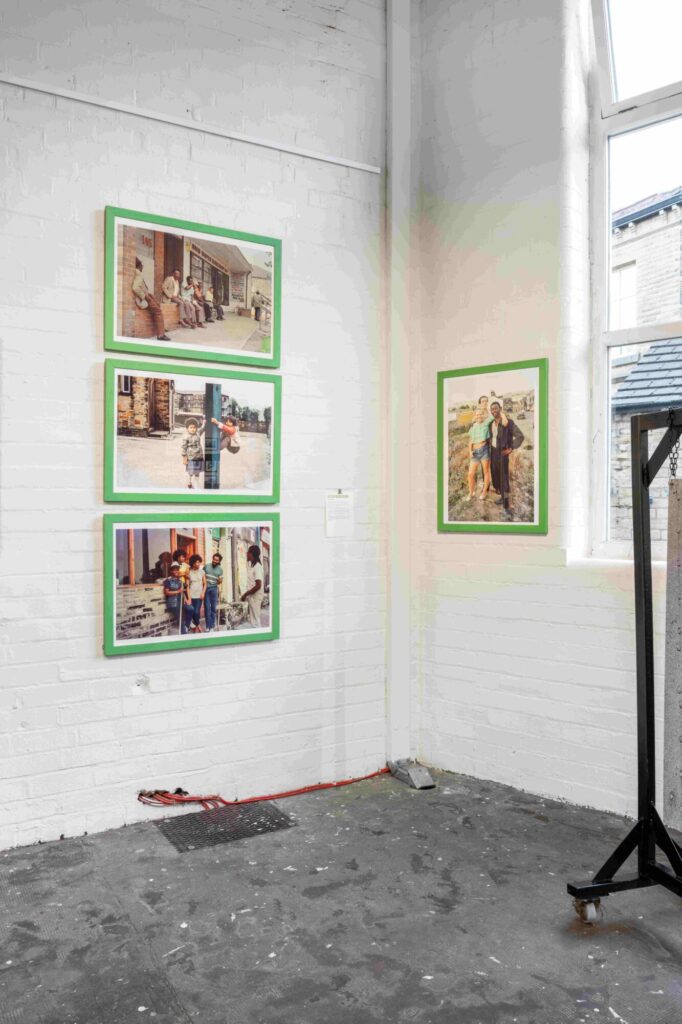
Another artist, Victor Wedderburn, captured a community in Bradford that has since disappeared. His photos are a window into a lost world, preserving the memory of the people and places that defined an area. His work focuses on an Afro-Caribbean community from the Windrush generation.
He commented: “I’m very honoured to have part of my work exhibited alongside other photographers at Sunny Bank Mills. My photos are of a community in the Lumb Lane and Green Lane area of Manningham Bradford -a mainly Afro-Caribbean community of the Windrush generation as well English and Asian people. It is a community that sadly no longer exists, as old dwellings were demolished, pubs and cafes were closed.”
The artists behind the lens
A whole host of talented artists, both famous and up-and-coming, have contributed to this powerful portrait of life in working-class communities. Their work spans different generations and locations, coming together to tell one big, interwoven story. The artists featured include:
- Amber Brown
- Czesław Siegieda
- Ian Beesley
- Joanne Coates
- Kirsty Mackay
- Kelly O’Brien in collaboration with Devon Osborne
- Nudrat Afza
- Sean O’Connell in collaboration with Flornicate
- Victor Wedderburn
How to visit this free exhibition in Farsley
Fancy seeing it for yourself? The Many Hands exhibition is on at The Gallery, which is inside the Sandsgate Building at Sunny Bank Mills, Farsley, LS28 5UJ. Sunny Bank Mills itself is a brilliant spot—a former textile mill that’s now a hub for creativity, with studios, a museum, and other independent businesses.
The best part? It’s completely FREE to get in. The exhibition is open until 5th October. You can visit anytime between 10am and 4pm from Tuesday to Sunday. It’s closed on Mondays. It’s a fantastic opportunity to see some incredible art that really says something important about the UK's past and present.

Yorkshire Team
The Yorkshire.com editorial team is made up of local writers, content creators, and tourism specialists who are passionate about showcasing the very best of God’s Own Country. With deep roots in Yorkshire’s communities, culture, food scene, landscapes, and visitor economy, the team works closely with local businesses, venues, and organisations to bring readers the latest news, events, travel inspiration, and insider guides from across the region. From hidden gems to headline festivals, Yorkshire.com is dedicated to celebrating everything that makes Yorkshire such a special place to live, work, and visit.
View all articles →
Comments
1 Contributions