
Welcome to Yorkshire
History • February 28th, 2026
|On the rolling moorland just northwest of Richmond, North Yorkshire, the remains of what was once a vibrant centre of equestrian sport lie quietly beneath grass and public footpaths. Though no horses thunder round the track today, the old Richmond Racecourse still tells a story of Georgian ambition, social spectacle, and architectural rarity.
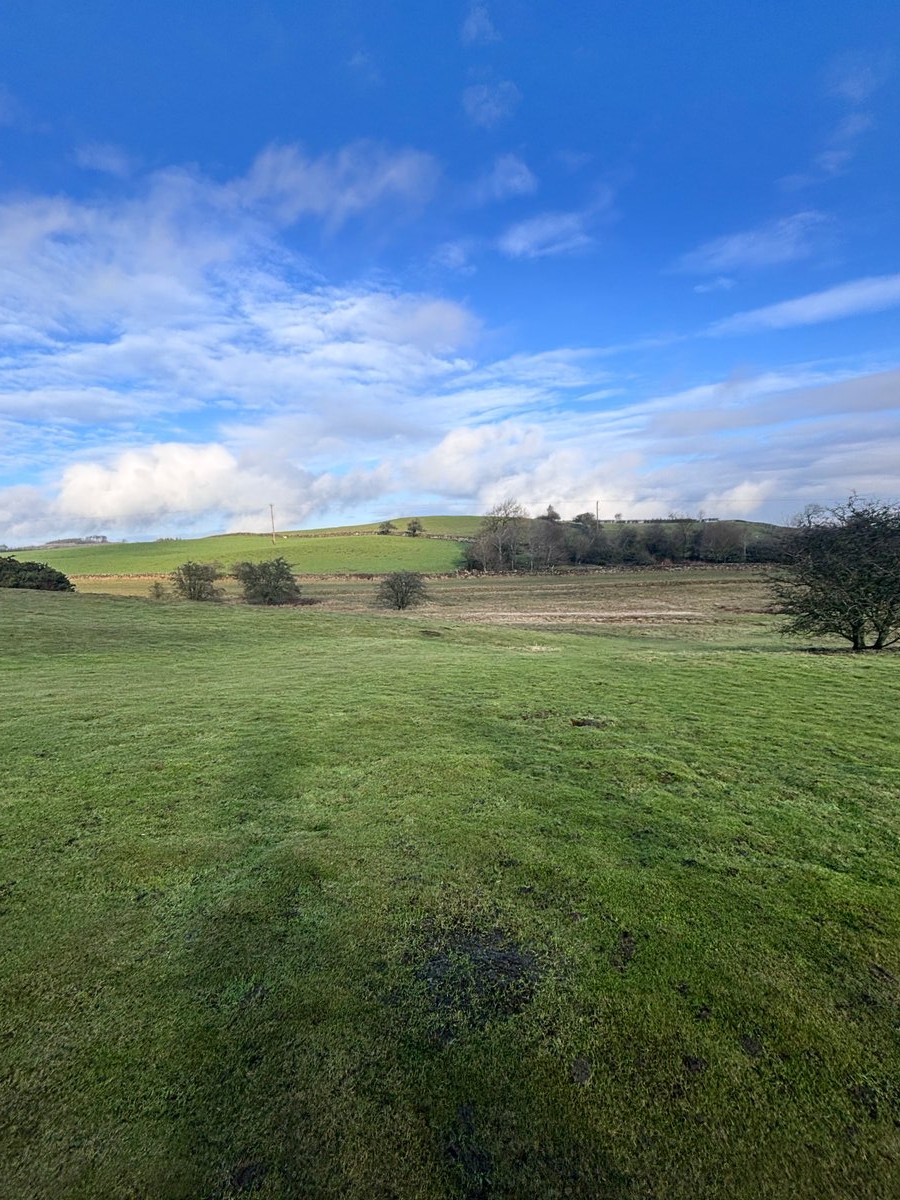
Horse racing in the Richmond area stretches back centuries, with references to races nearby as early as the 16th century. By 1765, meetings were established on what was known as High Moor, but the uneven ground there soon proved unsuitable. Racing relocated to the more open Low Moor the following decade, and the site soon became one of the region’s principal sporting venues.
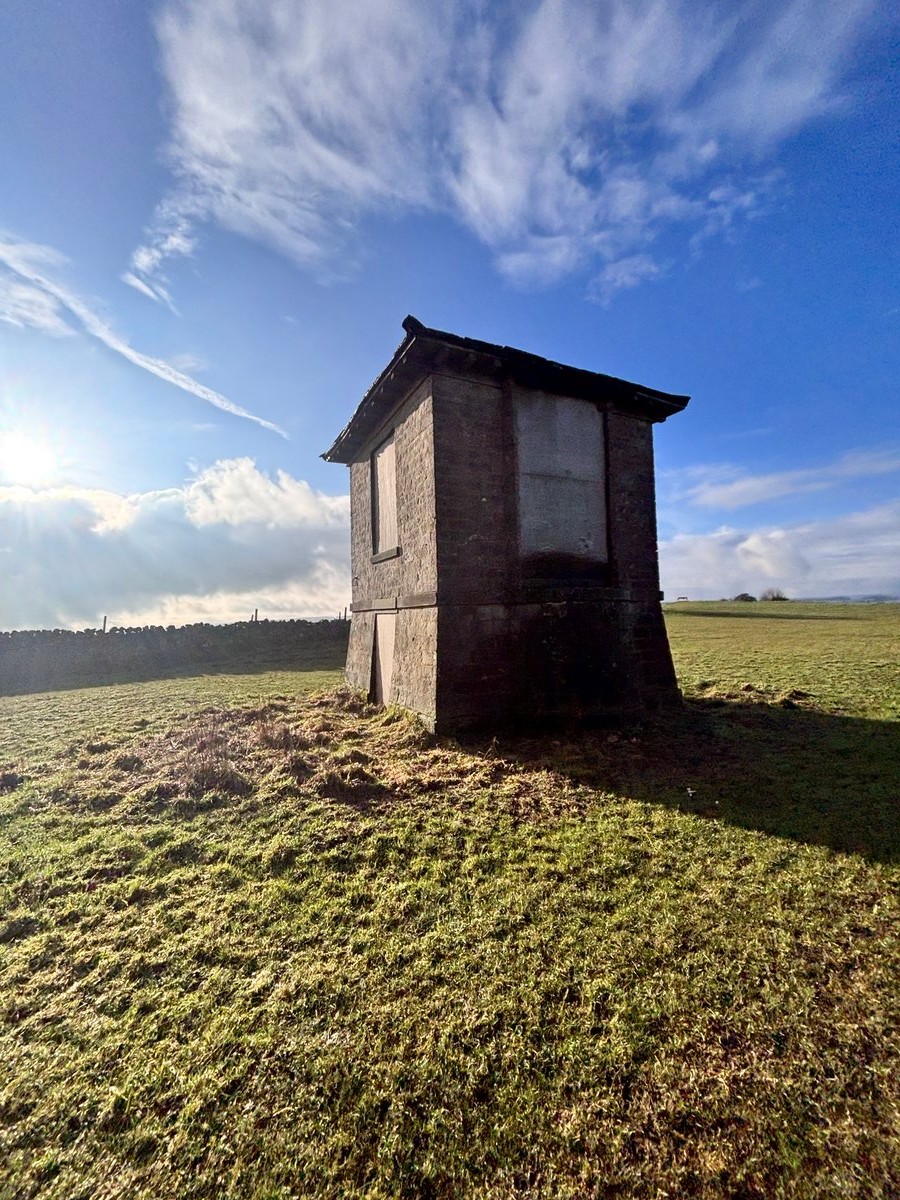
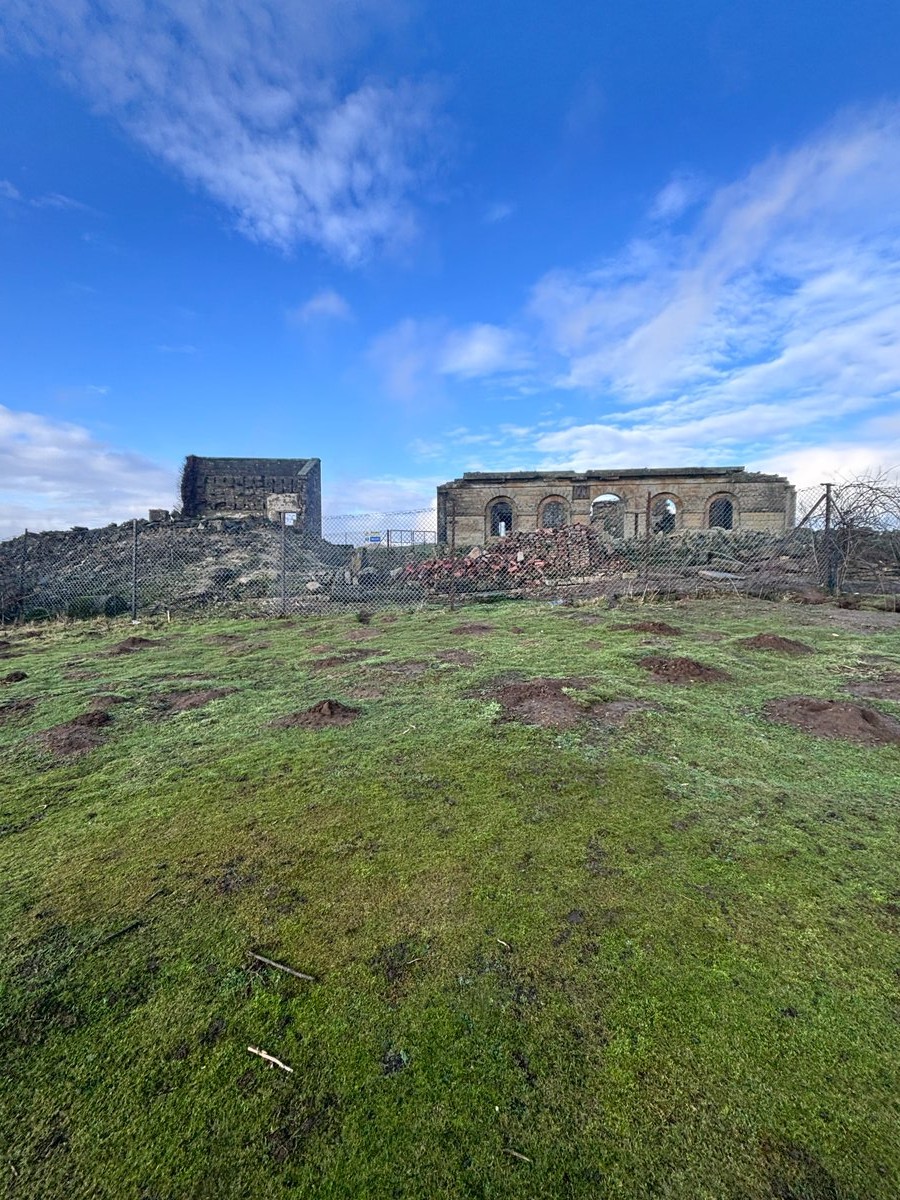
At the heart of the course was a grandstand erected in 1775–77, funded by public subscription. Likely designed by the prominent architect John Carr of York, who was responsible for other notable grandstands in Britain, it was an elegant stone structure with a Tuscan-inspired arcade and balcony facing the track. Today, the ruins of this building are recognised as the oldest surviving stone-built public grandstand in the world.
The course itself was laid out in a rough oval of approximately 1.5 miles, and races were run clockwise, with the grandstand positioned to give spectators uninterrupted views of the action. In its heyday, the racecourse drew local gentry, professionals, merchants and visitors alike, combining sport with social spectacle. A private stand—the Zetland Stand—was added in the early 19th century to accommodate the visitors of local landed elites.
However, by 1891, the facility’s fortunes had waned. The Jockey Club judged one of the turns too tight for the modern thoroughbred, and with larger, better-located courses such as nearby Catterick offering easier access by road and rail, Richmond’s races ceased.
In the years since closure, the grandstand lost its roof and suffered partial demolition in the mid-20th century, leaving only fragments of its original form. Nevertheless, it survives perched above the grassy sweep of the former track, whilst the old course is criss-crossed with public footpaths, and the rolling landscape continues to be used for horse training and walking.
Books by Dr Emma Wells #ad
Emma Wells
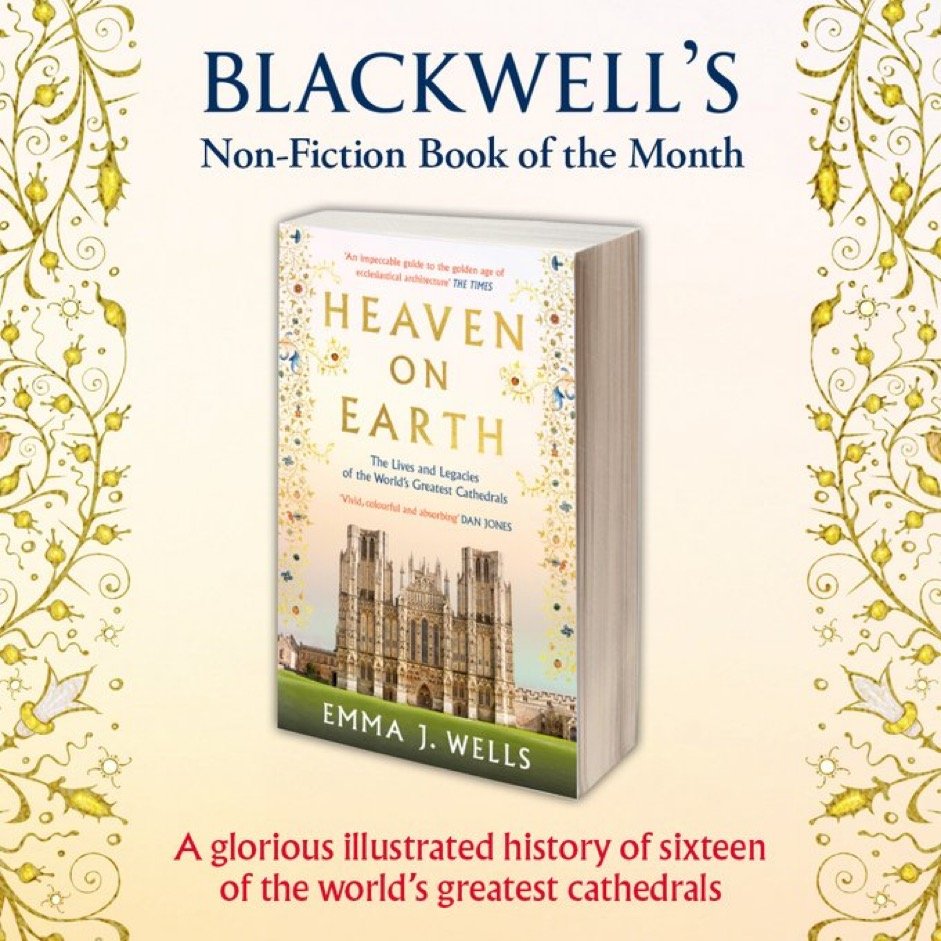
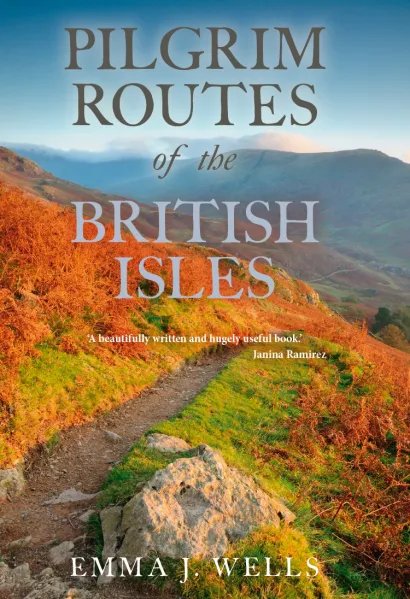
Dr Emma Wells has appeared as a historian on Yesterday, Curiosity Stream, Viral History, From the Dales to the Sea – A Great British Story, and as a ‘Don’ on BBC Radio 4’s The 3rd Degree and much more. Her first book, Pilgrim Routes of the British Isles, was released in 2016, and her most recent book Heaven On Earth: The Lives & Legacies of the World’s Greatest Cathedrals, was published in 2022.
View all articles →


