
Welcome to Yorkshire
History • February 15th, 2024
|As you enter the tranquil setting of the churchyard surrounding All Saints parish church in Rudston in the Great Yorkshire Wolds Valley, you’ll be immediately struck by a soaring slender pillar rising to the heavens within the grounds.
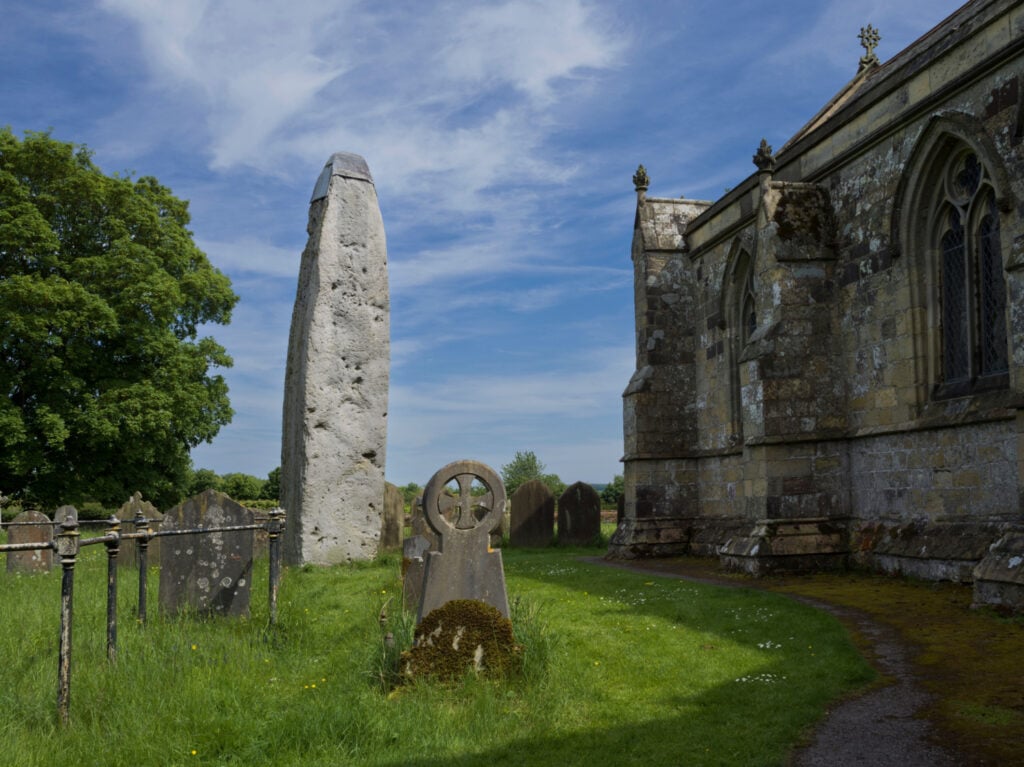
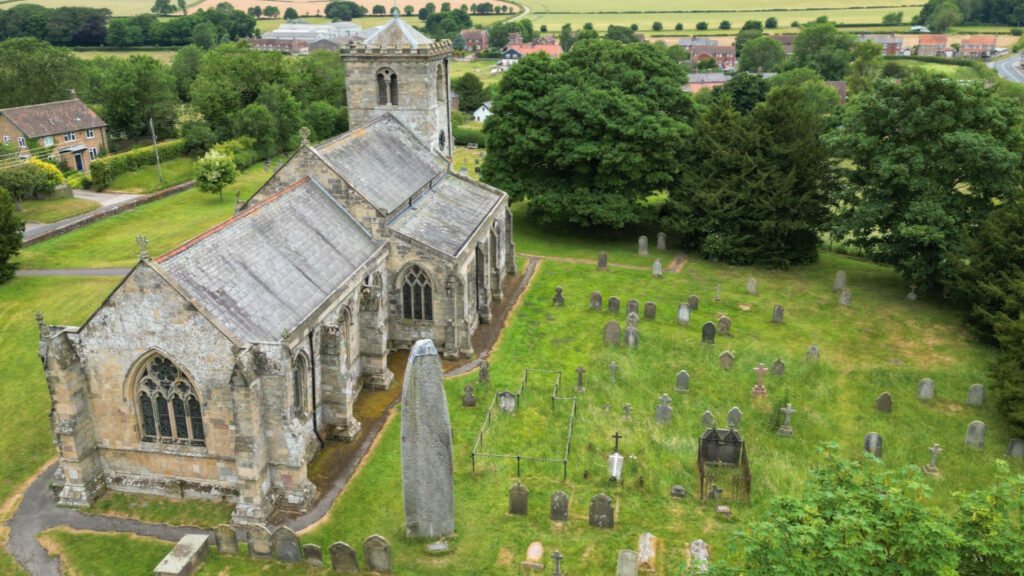
With little direct connection to the church, this monument is one of equal if not more significance. It is the tallest standing stone, or ‘monolith’, in Britain, dating to the late Neolithic or Early Bronze Age, and with a circumference of 5 metres and reaching nearly 8 metres in height. Some early archaeologists suggested that it is as lengthy underground as it stands above. Hewn from glomerate Moorstone grit quarried from outcrops at Cayton and Cornelian Bays, or the Forge Valley near Scarborough, this gargantuan megalith was transported, likely by river, an extensive number of miles to its resting place at Rudston.
And its purpose is a little more difficult to define. Likely it marked a site of prehistoric assembly or ceremonial activity as it stands at the centre of several key archaeological sites in the Yorkshire Wolds, from henges to round and square barrow cemeteries. In particular, the monument appears to mark the convergence of three cursus monuments. As such, a cross may have topped the stone hence the name 'Rudston', given ‘rood’ was the old English word for cross and stane meant 'stone'. Regardless, this was a site of importance for centuries, a factor recognised by the fact that it predated the church by over 2,500 years and with construction of the parish church following here soon after the Norman Conquest in c.1100, by the lord of the manor at the time, William Peverel.
Books by Dr Emma Wells
Emma Wells
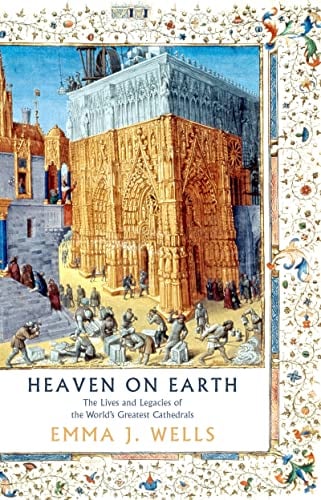
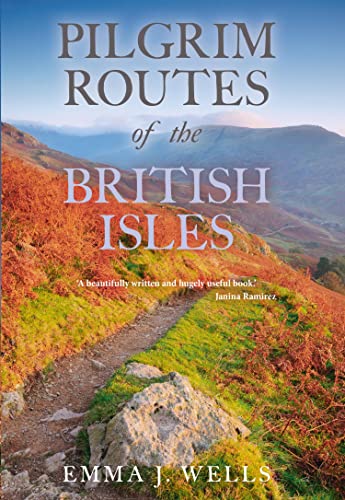
Dr Emma Wells has appeared as a historian on Yesterday, Curiosity Stream, Viral History, From the Dales to the Sea – A Great British Story, and as a ‘Don’ on BBC Radio 4’s The 3rd Degree and much more. Her first book, Pilgrim Routes of the British Isles, was released in 2016, and her most recent book Heaven On Earth: The Lives & Legacies of the World’s Greatest Cathedrals, was published in 2022.
View all articles →


