
Welcome to Yorkshire
News • October 26th, 2025
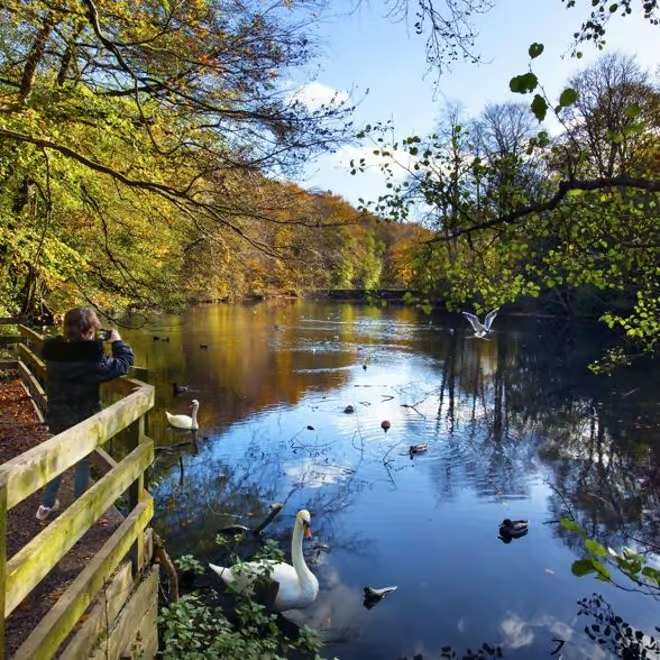
|Ever been for a walk and noticed something's a bit off? Maybe the local stream doesn't seem as clean as it used to, or there aren't as many birds around. It's something people across West Yorkshire are noticing. But now, there's a big, fresh idea to tackle this head-on, and residents in places like Wakefield have a genuine chance to help shape it.
A brand-new plan is in the works to restore and protect nature across the entire region, and it all starts with a huge public consultation where everyone's voice is needed. This isn't just another survey; it's a chance to build a better, greener future for local towns and cities. The goal is to make sure local wildlife can thrive and our green spaces are protected for years to come.
What's this big new plan all about?
So, what's the deal? The official name is the 'Local Nature Recovery Strategy'. Think of it as a giant to-do list for helping the environment right on our doorstep. It's the very first strategy of its kind for West Yorkshire and it's being organised by the Combined Authority. The whole point is to figure out the best ways to protect precious wildlife, improve our parks and green spaces, and make the region tougher against the effects of climate change. It's a new plan designed to bring nature back. The problem is pretty serious.
Across Yorkshire, the numbers are a bit grim. Almost half of the rivers are damaged in some way, most of the natural wetlands (those boggy, marshy areas that are super important for wildlife) have disappeared, and around 3,000 different species of animals and plants are at risk. This strategy is the official response, a coordinated effort to turn things around. It's all about a long-term vision to restore what has been lost and protect what is still here. Tracy Brabin, the Mayor of West Yorkshire, put it perfectly. "This is our chance to bring nature back to every corner of West Yorkshire," she said. "Together, we can create a greener, more vibrant region that's full of life for generations to come." This isn't just about planting a few trees; it's a complete rethink of how to support nature in our communities.
The top priorities for nature's comeback
The strategy doesn't just talk a good game; it has a list of over 20 key priorities. These are the big-ticket items that experts believe will make the most difference. It's a real mix of actions, covering everything from the moors down to the city centres. Here are some of the main things the plan focuses on:
- Restoring peatlands: What are peatlands? They're basically huge, soggy areas of land that are amazing at storing carbon. Think of them as the planet's natural sponges. When they get damaged, they release that carbon, which isn't great for climate change. Fixing them helps lock it away.
- Improving rivers and wetlands: This means cleaning up our waterways and bringing back those lost wetland habitats. Healthier rivers mean healthier wildlife and a better environment for everyone.
- Planting more trees: An oldie but a goodie. More trees mean cleaner air, more homes for wildlife, and nicer places to live.
- Creating greener towns and cities: This is all about weaving nature into our urban spaces. It could mean more parks, community gardens, or even 'green corridors' that help wildlife move between different areas. This new plan wants to transform our towns and cities.
This comprehensive strategy is designed to create a network of healthy habitats across the region, from Wakefield to every other corner of West Yorkshire. The delivery of this plan depends on getting these priorities right.
Why water is the "big blue thread"
One of the coolest parts of the new plan is how it talks about water. It calls water West Yorkshire's "big blue thread" - a lovely way to say it connects everything. And it's true. The network of rivers and streams is the lifeblood of the region. Healthy rivers and a reliable supply of clean water are massively important for a few reasons.
First, for wildlife. So many species, from fish to birds to tiny insects, depend on clean rivers and wetlands to survive. Second, for us. Well-managed rivers can help reduce the risk of flooding, which is a big concern with climate change causing more extreme weather. And of course, having access to clean, safe water is something every community needs to stay healthy. This strategy aims to protect this vital resource, ensuring our rivers can support both people and nature.
Here's how residents can have a say
This is where it gets really interesting for the residents of Wakefield and the rest of the region. This whole thing is kicking off with a major public consultation. It's a real opportunity for local people to share their thoughts, point out what's important to them, and influence the final strategy. The consultation is open right now and runs until November 16th. Getting involved is pretty straightforward. People can go online and take part in a survey.
There's a short version if someone is pressed for time, and a more detailed one for those who want to give more feedback. What makes this consultation extra special is the interactive Local Habitat Map. This isn't just about ticking boxes. The habitat map lets people zoom into their local area, see what the current environment looks like, and add their own comments. Maybe there's a local woodland that needs to be protected, or a spot by a river that could be turned into a fantastic new nature area. This is the place to flag it up. It's a powerful tool to make sure local knowledge from residents helps to shape the region-wide priorities. This public consultation is a key step in the delivery of the new plan.
What happens after the consultation?
Once the public consultation closes on November 16th, all the feedback will be collected and analysed. The Combined Authority, working with different partners across the region, will use this public response to finalise West Yorkshire's Local Nature Recovery Strategy. The opinions of residents will directly influence the final actions and priorities.
The Combined Authority will then be in charge of coordinating the delivery of the strategy. This means making sure the plans actually happen on the ground. It's a long-term project, but this consultation is the critical first step to ensure the strategy truly reflects what local communities want and need. It's all about teamwork to protect and restore nature for future generations.
Yorkshire Team
The Yorkshire.com editorial team is made up of local writers, content creators, and tourism specialists who are passionate about showcasing the very best of God’s Own Country. With deep roots in Yorkshire’s communities, culture, food scene, landscapes, and visitor economy, the team works closely with local businesses, venues, and organisations to bring readers the latest news, events, travel inspiration, and insider guides from across the region. From hidden gems to headline festivals, Yorkshire.com is dedicated to celebrating everything that makes Yorkshire such a special place to live, work, and visit.
View all articles →


